Home / Breeds / Siberian Husky
Siberian Husky
Outgoing, mischievous, independent and vocal. From Siberia, Russia (developed in Alaska).
Workingmedium breedSiberia, Russia (developed in Alaska)Standards checked
Standards checked: this profile's facts are checked against the breed standards of the AKC, The Kennel Club and the FCI, as described on our methodology page.
Gallery
Real photos from licensed sources only, each credited to its creator.


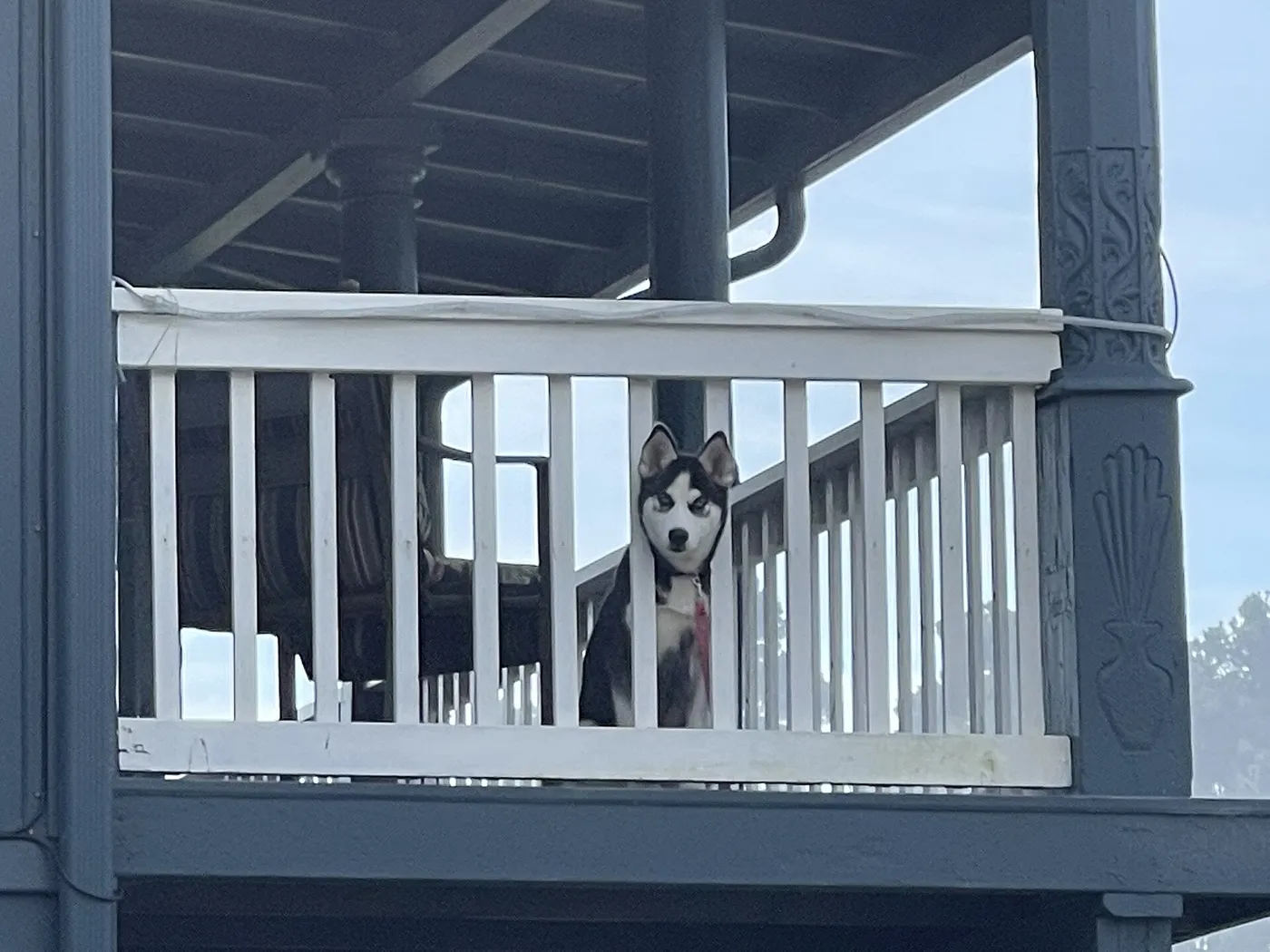


Photos show different individual dogs from licensed libraries, not one dog growing up. Stage labels are approximate, the way a careful editor would judge them.
About the Siberian Husky
The Husky is a beautiful, dramatic endurance athlete bred to pull sleds all day in the cold. Huskies are friendly, funny and famously theatrical, but they are also escape artists, enthusiastic diggers and unreliable off lead. They suit runners and winter people, not tidy minimalists.
History
The Chukchi people of Siberia developed these dogs to pull light loads over huge distances on little food. In Alaska they became racing legends, and the 1925 serum run to Nome, led partway by Balto and Togo, made them famous.
Personality
A Husky is a dramatic, cheerful anarchist in a beautiful coat. Bred by the Chukchi to work as a team and think for themselves, Huskies are friendly to everyone, independent in their decisions and theatrical in their communication, which includes howls, arguments and pointed sighs. They are not obedient in the collie sense: a Husky understands perfectly and then weighs its options. They escape as a hobby, dig as a profession and regard recall as a opening bid in a negotiation. Puppies are enchanting vandals; adults keep the humour and add stamina. People who click with the breed's honesty and energy find them the funniest, warmest partners in the dog world. Everyone else should get a Labrador.
Temperament and traits
Energy (5/5)
Trainability (3/5)
Grooming needs (3/5)
Shedding (5/5)
Barking (4/5)
Good with children: Good with children
With other dogs: Good with dogs
With strangers: Friendly with strangers
Apartment life: Not ideal
Coat and care
Coat: Thick double coat built for arctic cold; sheds heavily twice a year.
Colors: All colors and markings, from black to pure white, often with striking masks.
Never shave the double coat; brush weekly and daily during the twice yearly blowout. Fences need to be tall and dig proof, and exercise needs to be serious and daily.
Exercise and grooming
Exercise
Ninety minutes to two hours a day of serious exercise, ideally including running: Huskies were bred to pull light loads over enormous distances and recreational walking barely registers. Running beside a bike, canicross, scooter work and hiking with a pack all suit the engine. Off lead freedom is the eternal problem: recall in this breed is a suggestion the dog considers, and most Huskies are safest exercised on long lines or in secure fields. Digging and escaping are exercise substitutes the dog invents for itself, so fences need height and depth. Puppies build fitness gradually, and heat demands respect, as a coat built for minus fifty insulates in both directions.
Grooming
Brush weekly with a slicker and undercoat rake, and during the twice yearly coat blowouts, brush daily and expect to harvest carrier bags of undercoat. Never shave a Husky: the double coat insulates against cold and heat and shields the skin, and it may not regrow correctly. The breed is naturally clean and low odour, so baths stay rare. Nails, teeth and ears take the usual weekly check. The one advanced task is teaching tolerance of the grooming itself, since a Husky with opinions about being brushed will sing about it, dramatically, for the full session.
Training and daily life
Training
Train a Husky with humour, food and absolutely no illusion of total control. Huskies are intelligent and learn cues quickly; they then decide, case by case, whether the cue applies to them. Short, varied, reward heavy sessions work, and drilling produces a dog that leaves. The realistic syllabus is lead manners, a managed recall used with long lines and secure fields rather than trusted blindly, door and gate discipline for a breed of escape artists, and comfort with grooming and handling. Socialise puppies widely so the adult is as friendly and confident as the breed promises. Huskies respond badly to harsh, confrontational methods and brilliantly to owners who make the right thing fun and the wrong thing boring. Owners who accept the breed's terms get a cooperative comedian; owners who demand collie obedience get a Husky anyway.
Living with a Siberian Husky
Huskies are magnificent and completely impractical, and owners should choose them for both facts. They need a house with a tall, dig proof fence, owners who run or train seriously in all weathers and a tolerance for hair, holes in the garden and operatic vocal opinions. They are good with children, excellent company for other dogs and useless as guards, greeting everyone like family. Flats are not ideal: the energy, noise and shedding in a small space defeat most households. Cats and small animals are at risk from a serious prey drive. For winter loving, athletic owners who want a comedian athlete as a full time hobby, nothing else compares.
What a Siberian Husky costs
Food cost
About $32 per month for a typical 48 lb adult eating roughly 3.0 cups a day of a standard quality food ($1.60 per lb). Full breakdown in our food expense calculator.
Activity and exercise
Plan 90 to 120 minutes a day of walks, play and training. Under exercised dogs of most breeds invent their own projects, and they rarely pick good ones.
Insurance cost
Typical US range $35 to $62 per month for accident and illness cover. Estimate only, based on market ranges for this breed's risk profile; see the insurance estimator and the insurance guide.
On the monthly figures above, a typical adult year runs to about $381 for food and $420 to $744 for insurance, before routine vet care, grooming and gear. Year one costs more: vaccinations, spay or neuter surgery, a crate, bedding and training all land at once.
Growth: puppy to senior
How weight typically builds with age for a medium breed, and when full size arrives.
| Stage | Age | Typical weight |
|---|---|---|
| Puppy | 8 weeks | about 5 to 8 lb |
| Puppy | 4 months | about 11 to 19 lb |
| Young | 6 months | about 18 to 31 lb |
| Young | 9 months | about 26 to 44 lb |
| Adult | 12 months | about 31 to 53 lb |
| Adult | 18 months | about 35 to 60 lb |
| Adult | Full grown | 35 to 60 lb (standard range) |
| Senior | From about 8 years | Healthy weight stays in the adult range; watch for slow gain or loss |
Growth pattern follows the size class growth curves published by the Waltham Petcare Science Institute, applied to the adult weight range in the breed standard. Individual puppies vary; steady growth matters more than hitting any single number, and your vet's growth checks come first.
Life stages
Puppies need early, wide socialisation, secure containment lessons from day one (the escaping starts young) and protected joints while they grow. Adolescence is maximum Husky: strength, independence and prey drive peak together, and structured exercise plus training in short, rewarding bursts carries the household. Adults are in a long athletic prime, and the standing jobs are weight control, fence integrity and keeping the running programme through every season. From around eight, seniors slow gradually; keep daily exercise going in gentler form, watch eyes and joints and step up vet checks. Old Huskies usually keep the singing and the opinions to the end.
Health
Generally healthy for a purebred. Main issues are eye problems such as cataracts and corneal dystrophy, plus hip dysplasia. Breeders should screen eyes yearly and score hips.
Conditions to know about
- Cataracts: Inherited cataracts are the breed's best known eye issue and can appear in young dogs, which is why breeders have eyes examined yearly. Vision loss is usually gradual, and dogs adapt well, but breeding from tested stock reduces the risk for the next generation.
- Corneal dystrophy: A Husky associated eye condition where cloudy deposits form on the cornea. It is picked up on the annual eye examinations recommended for the breed and usually affects vision less than it worries owners.
- Hip dysplasia: Huskies record better hip health than many similar sized breeds, but scores still matter and breeding dogs should be hip scored. Keeping the dog lean protects every joint on a high mileage athlete.
Facts follow the Siberian Husky breed standard (AKC, The Kennel Club and FCI standards agree on the essentials for this breed). Health notes summarize the conditions breed clubs and veterinary bodies most often flag for this breed. They are general information for choosing and caring, not a diagnosis or a substitute for your vet.
Gear for Siberian Husky owners
Our team is hands on testing products for this guide right now. Recommendations will only appear here after real testing, and this module will always carry a plain affiliate disclosure at the top.
Siberian Husky questions
How long do Siberian Huskys live?
A typical lifespan is 12 to 14 years. Weight control, dental care and screening for the breed's known conditions give a dog the best chance of reaching the top of that range.
How much does it cost to keep a Siberian Husky?
Food for a typical adult runs about $32 a month at a standard quality tier, and accident and illness insurance usually falls between $35 and $62 a month in the US. Try the full cost calculator for a complete year one and yearly picture.
Are Siberian Huskys good with children?
Good with children. As with every breed, supervise dogs and children together and teach children to respect the dog's space.
How much exercise does a Siberian Husky need?
Plan on 90 to 120 minutes a day, split between walks, play and training games. Puppies and seniors need gentler, shorter sessions.
Can a Husky ever be trusted off the lead?
Individual exceptions exist, but the breed's default answer is no. A Husky that spots something interesting is gone at speed and deaf to recall, which is why most owners use long lines and secure areas for the dog's whole life.
Do Huskies shed a lot?
Catastrophically, twice a year, and moderately in between. The undercoat comes out in handfuls during the blowout. Owners either embrace the hair or choose another breed; there is no third option.
Are Huskies good guard dogs?
No. They are friendly with strangers to a fault and are far more likely to greet a burglar enthusiastically than to deter one. Their looks guard the house; their character does not.