Home / Breeds / Shetland Sheepdog
Shetland Sheepdog
Intelligent, driven, loyal and always switched on. From Scotland.
Herdingsmall breedScotlandStandards checked
Standards checked: this profile's facts are checked against the breed standards of the AKC, The Kennel Club and the FCI, as described on our methodology page.
Gallery
Real photos from licensed sources only, each credited to its creator.


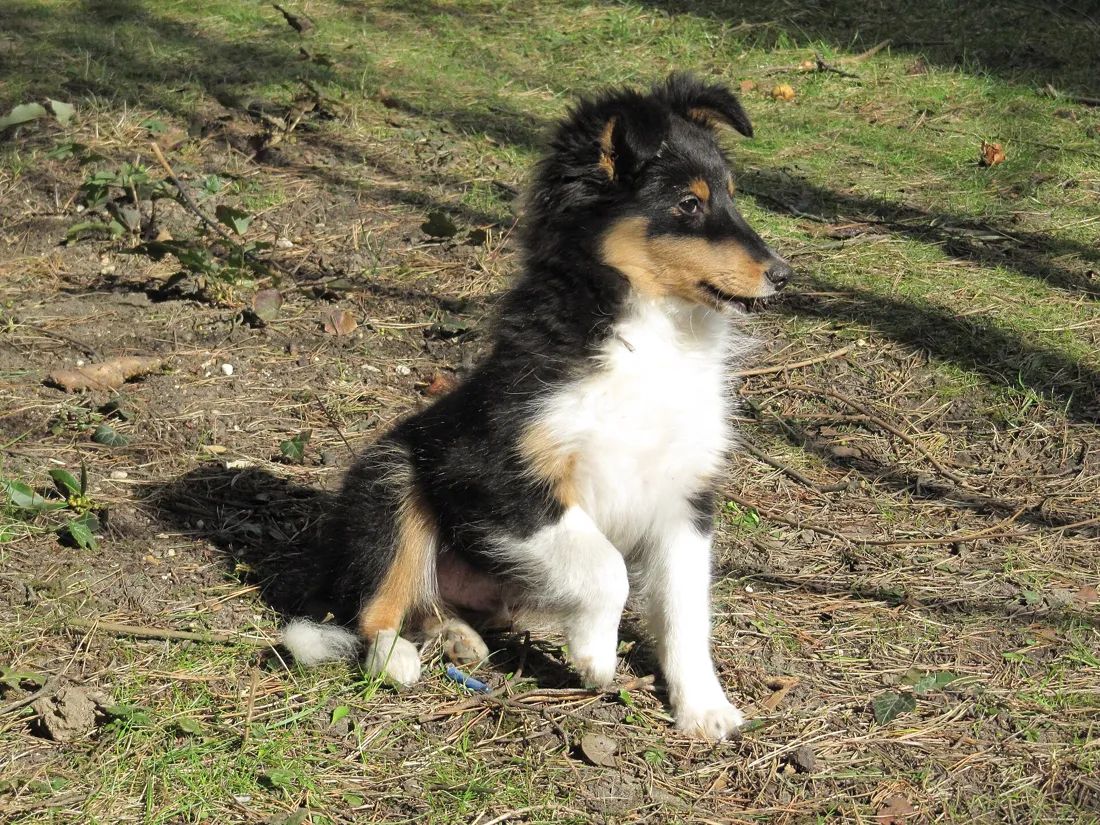

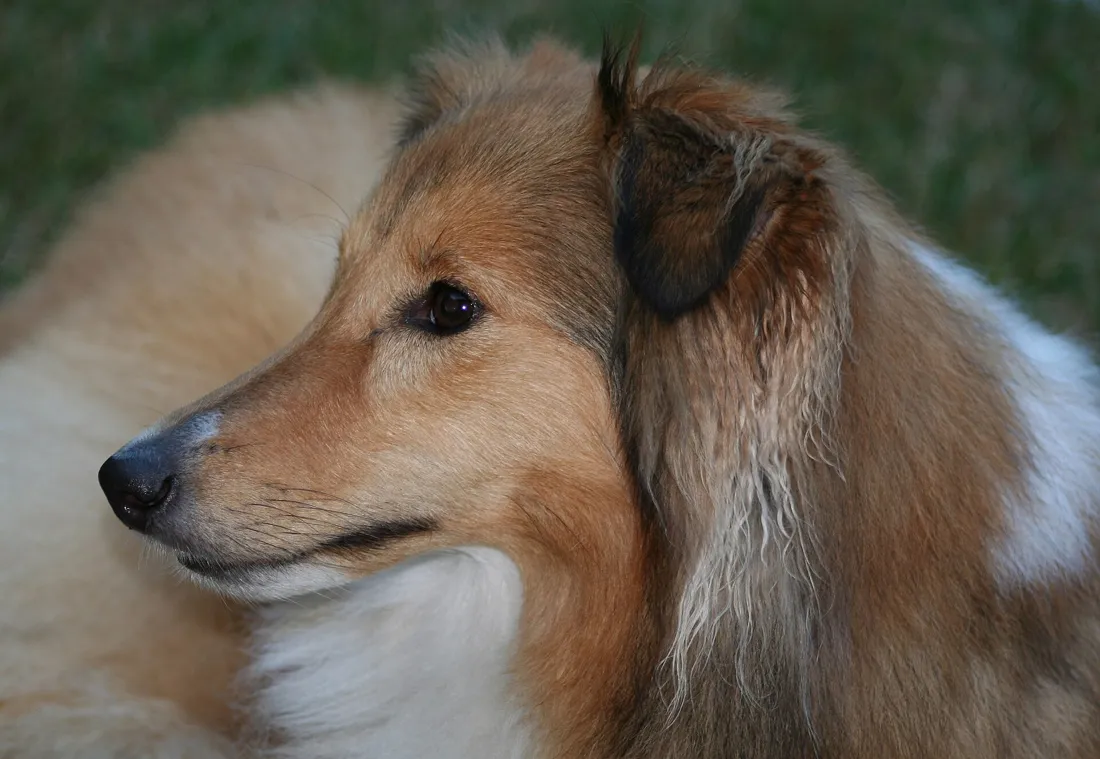

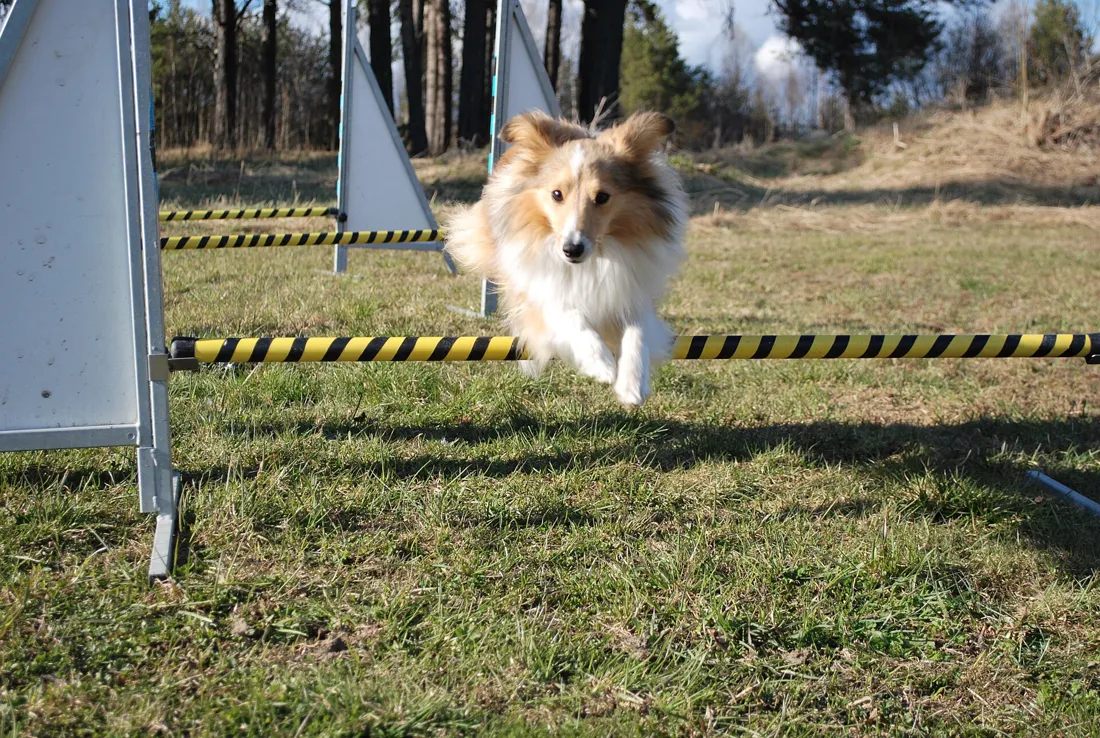

Photos show different individual dogs from licensed libraries, not one dog growing up. Stage labels are approximate, the way a careful editor would judge them.
About the Shetland Sheepdog
The Shetland Sheepdog is a small herding breed from Scotland, developed to move sheep and cattle with eye, bark and body, working all day beside the shepherd or farmer. Few breeds bond harder or work harder. The deal is simple: your time and training, in exchange for the most capable partner in the dog world.
History
A long coat with feathering on the legs, tail and chest. That coat suits a dog shaped in Scotland to move sheep and cattle with eye, bark and body, working all day beside the shepherd or farmer. The AKC recognizes the breed today, and its standard is the reference most US breeders work to. The adult stands 13 to 16 in at the shoulder and weighs 15 to 25 lb.
Personality
The Sheltie is a small dog running a large dog's software: intelligent, driven, loyal and permanently switched on. Bred to work sheep all day in harsh island weather, Shelties combine stamina with a handler focus that borders on telepathy in well matched pairs. They are sensitive, sometimes shy with strangers, and deeply affected by their owners' moods and by household tension. Vocal is part of the design: a Sheltie reports the world. In exchange for training, work and inclusion, the breed offers devotion of a rare completeness, the dog that notices you reaching for your shoes before you do and is waiting, ready, at the door.
Temperament and traits
Energy (5/5)
Trainability (5/5)
Grooming needs (4/5)
Shedding (3/5)
Barking (4/5)
Good with children: Good with children
With other dogs: Usually good with dogs
With strangers: Reserved with strangers
Apartment life: Not ideal
Coat and care
Coat: A long coat with feathering on the legs, tail and chest.
Colors: The standard accepts a range of colors and patterns, and individual markings vary a lot.
Measure meals rather than free feeding; this breed does best on a routine of consistent meals, training in short sessions and daily exercise matched to its type. Long coats need brushing two or three times a week, and daily attention in mud and burr season. Mental work matters as much as miles: ten minutes of training tires a herding dog more honestly than an hour of aimless walking.
Exercise and grooming
Exercise
Shelties are small athletes, and the recorded range of one to two hours a day suits the driven individuals of the breed: brisk walks, free running in safe areas, and above all training and games. Agility is the breed's signature sport and a perfect outlet. Mental work matters as much as miles, in line with the herding guidance on this page: training in short sessions tires a Sheltie honestly. Puppies need protected joints and plenty of rest, and freedom off lead should follow a proofed recall, because a Sheltie chasing a scent or a bicycle is a Sheltie in another world. A worked Sheltie is a settled, polite house dog.
Grooming
That glamorous long coat is honest work: brush two or three times a week, parting the coat and brushing down to the skin in sections, with daily attention in mud and burr season and during the seasonal sheds. Pay forfeit areas special attention: behind the ears, the chest mane, the leg feathering and the britches, where mats form silently. Never shave a Sheltie; the double coat protects and insulates. Baths when needed, ears checked weekly, teeth brushed often because small mouths crowd, and nails kept short. Owners who keep the weekly system find the coat stays beautiful with surprisingly little drama; owners who skip a month find felt.
Training and daily life
Training
Shelties are legendary obedience and agility dogs: quick, precise, sensitive and desperate to get it right. Reward based training produces polished work fast, and corrections should be feather light, because a Sheltie can be crushed by harshness and worried by raised voices. The projects are barking, the breed's signature vice, recall around movement and building confidence in shy youngsters through games and gentle exposure rather than flooding. Because they learn routines instantly, vary the training to keep the mind working. A Sheltie with a sport, a job and a settled routine is one of the easiest high drive dogs to live with; without those, the drive finds its own outlets.
Living with a Shetland Sheepdog
Shelties bond with an intensity that defines the household: they choose their people and organise their days around them, following, watching and joining everything. They suit calm, committed households rather than chaotic ones, being sensitive to noise, arguments and rough handling. Flats are difficult not for size but for voice and energy: a bored Sheltie is a loud Sheltie, and the exercise bill is a sporting dog's, not a toy's. They are gentle with their own children, usually good with other dogs and reserved with strangers. Owners who train and work a Sheltie get one of the most devoted and capable small dogs in the world; the breed asks only that the partnership be real.
What a Shetland Sheepdog costs
Food cost
About $16 per month for a typical 20 lb adult eating roughly 1.5 cups a day of a standard quality food ($1.60 per lb). Full breakdown in our food expense calculator.
Activity and exercise
Plan 60 to 120 minutes a day of walks, play and training. Under exercised dogs of most breeds invent their own projects, and they rarely pick good ones.
Insurance cost
Typical US range $29 to $55 per month for accident and illness cover. Estimate only, based on market ranges for this breed's risk profile; see the insurance estimator and the insurance guide.
On the monthly figures above, a typical adult year runs to about $198 for food and $348 to $660 for insurance, before routine vet care, grooming and gear. Year one costs more: vaccinations, spay or neuter surgery, a crate, bedding and training all land at once.
Growth: puppy to senior
How weight typically builds with age for a small breed, and when full size arrives.
| Stage | Age | Typical weight |
|---|---|---|
| Puppy | 8 weeks | about 3 to 4 lb |
| Puppy | 4 months | about 6 to 10 lb |
| Young | 6 months | about 9 to 14 lb |
| Young | 9 months | about 12 to 20 lb |
| Adult | 12 months | about 14 to 23 lb |
| Adult | Full grown | 15 to 25 lb (standard range) |
| Senior | From about 10 years | Healthy weight stays in the adult range; watch for slow gain or loss |
Growth pattern follows the size class growth curves published by the Waltham Petcare Science Institute, applied to the adult weight range in the breed standard. Individual puppies vary; steady growth matters more than hitting any single number, and your vet's growth checks come first.
Life stages
Puppies need careful, positive socialisation above all: the Sheltie temperament's one vulnerability is shyness, and wide, gentle exposure in the first months is the vaccine. Add grooming habituation, since the coat demands a lifetime of brushing, and protected joints while growing. Adolescents are intense and vocal, and a sport or training programme channels both. Adults enjoy a long prime of twelve to fourteen years; keep the brain employed and the weight lean. Seniors from around ten need twice yearly checks, eyes and joints watched, exercise kept daily in gentler form and continued training games, because a Sheltie's mind stays young long after its muzzle greys.
Health
Hip screening and eye checks are the core of responsible breeding in herding breeds, and several herding lines also DNA test for drug sensitivity (MDR1) and hereditary eye conditions. Ask the breeder what their lines are tested for.
Conditions to know about
- Hip dysplasia: Hip screening is part of responsible Sheltie breeding despite the breed's size, because the condition does occur. Keep Shelties lean, since extra weight on a small frame loads every joint it owns.
- Hereditary eye conditions: Eye checks are central to Sheltie health testing: the collie family carries inherited eye conditions, and breeding dogs should have current eye examinations with DNA tests where the line calls for them.
- MDR1 drug sensitivity: Herding lines including Shelties can carry the MDR1 mutation, which makes certain common drugs unsafe. A one time DNA test settles the question, and the result belongs in the dog's vet records.
Facts follow the Shetland Sheepdog breed standard (AKC, The Kennel Club and FCI standards agree on the essentials for this breed). Health notes summarize the conditions breed clubs and veterinary bodies most often flag for this breed. They are general information for choosing and caring, not a diagnosis or a substitute for your vet.
Gear for Shetland Sheepdog owners
Our team is hands on testing products for this guide right now. Recommendations will only appear here after real testing, and this module will always carry a plain affiliate disclosure at the top.
Shetland Sheepdog questions
How long do Shetland Sheepdogs live?
A typical lifespan is 12 to 14 years. Weight control, dental care and screening for the breed's known conditions give a dog the best chance of reaching the top of that range.
How much does it cost to keep a Shetland Sheepdog?
Food for a typical adult runs about $16 a month at a standard quality tier, and accident and illness insurance usually falls between $29 and $55 a month in the US. Try the full cost calculator for a complete year one and yearly picture.
Are Shetland Sheepdogs good with children?
Good with children. As with every breed, supervise dogs and children together and teach children to respect the dog's space.
How much exercise does a Shetland Sheepdog need?
Plan on 60 to 120 minutes a day, split between walks, play and training games. Puppies and seniors need gentler, shorter sessions.
Are Shetland Sheepdogs just small Collies?
No. The Sheltie is its own breed, developed on the Shetland Islands from small working sheepdogs with some collie influence. It shares the collie family's intelligence and sensitivity but is a distinct breed with its own standard, size and health profile.
Do Shelties bark a lot?
They are among the more vocal breeds: alert, excitable and quick to comment. Training a quiet cue early, good socialisation and enough work keep it manageable, but a completely silent Sheltie is not on offer.
Are Shelties good with children?
With their own family's children, generally yes, being gentle and devoted. They are sensitive to noise and rough handling, so they suit calmer households and children old enough to respect a small, sensitive dog.
Breeds similar to the Shetland Sheepdog Compare this breed with another