Shar Pei
Bold, devoted, watchful and trainable. From China.
Workingmedium breedChinaStandards checked
Standards checked: this profile's facts are checked against the breed standards of the AKC, The Kennel Club and the FCI, as described on our methodology page.
Gallery
Real photos from licensed sources only, each credited to its creator.
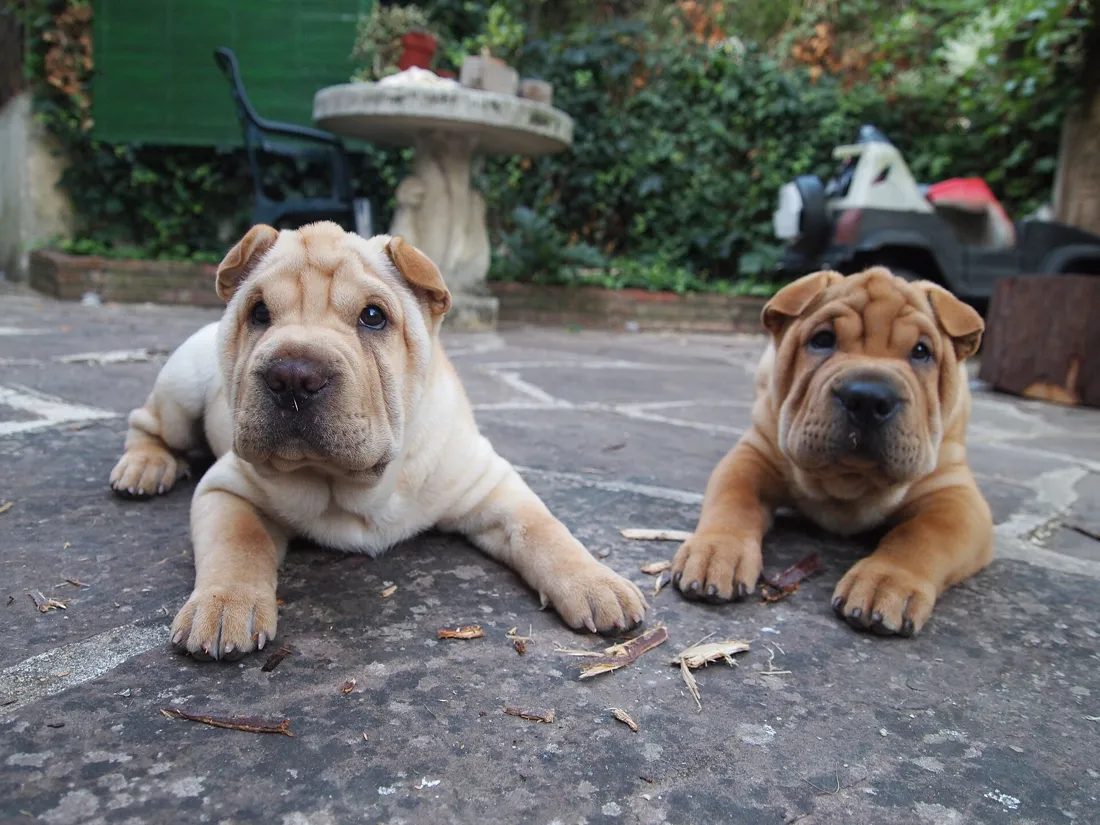

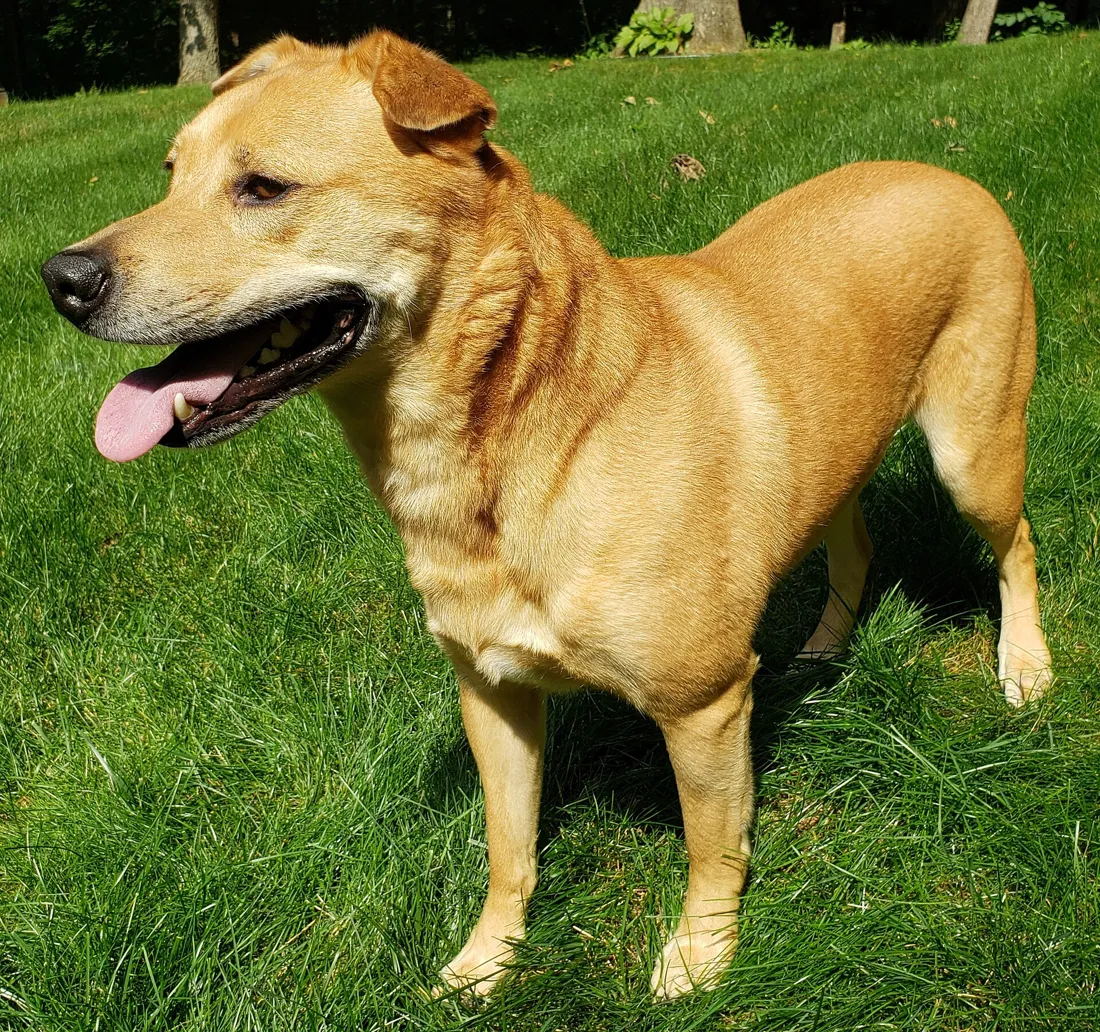

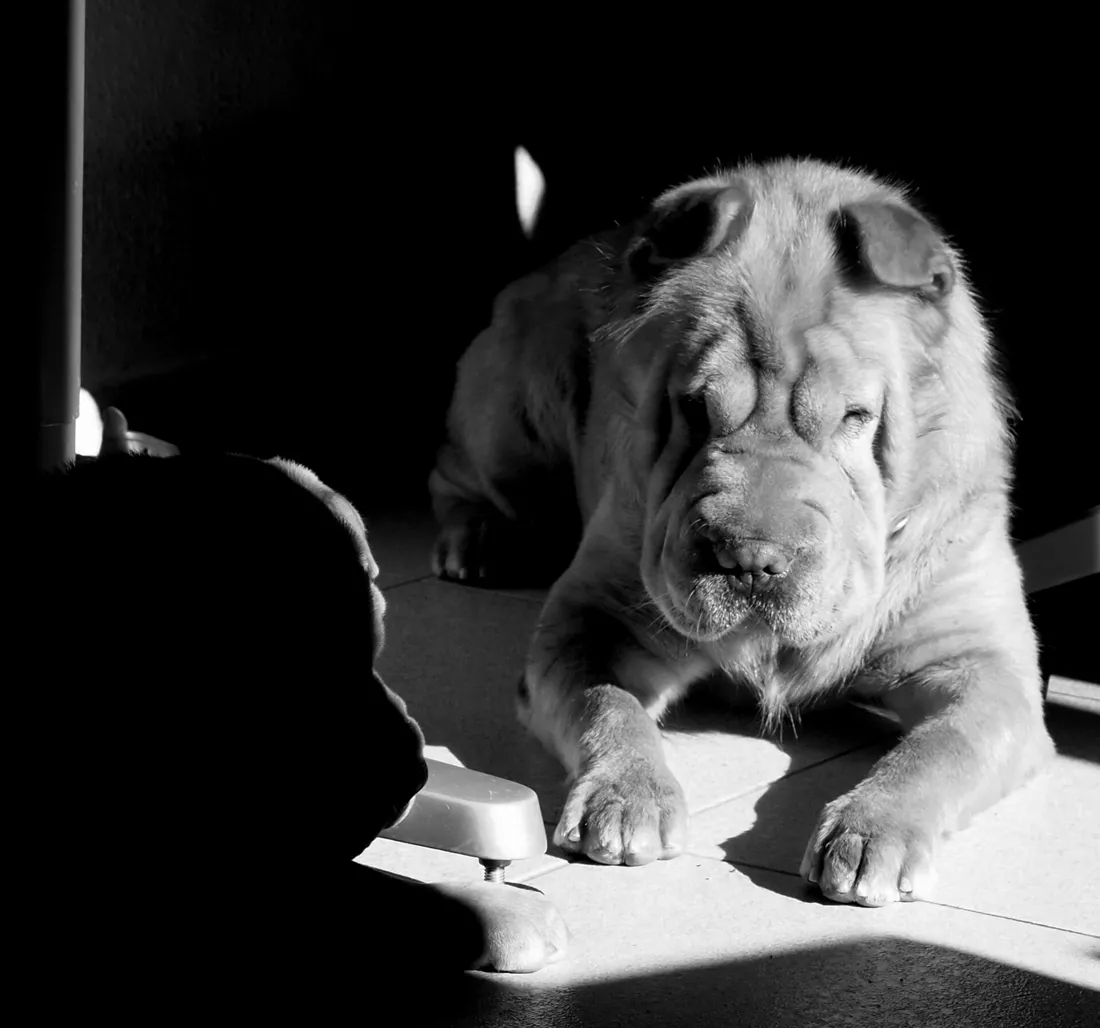

Photos show different individual dogs from licensed libraries, not one dog growing up. Stage labels are approximate, the way a careful editor would judge them.
About the Shar Pei
From China, the Shar Pei is a medium sized guard and working breed whose traditional work was to guard people and property and stand watch over homes, farms and families. Working guard breeds need training, socialization and a job from the start; in the right hands they are superbly loyal family dogs, in the wrong ones they are a liability.
History
Shar Pei comes from China, where dogs of this type were kept to guard people and property and stand watch over homes, farms and families. The breed is on the FCI books, and its standard there is the one used internationally. The adult stands 18 to 20 in at the shoulder and weighs 45 to 60 lb. Short, harsh, and bristly.
Personality
Bold, devoted, watchful and trainable, with a hippo's face, a scowl that lies and one of the most distinctive silhouettes in dogs: the Shar Pei is an ancient Chinese guard and farm breed whose loose skin and bristly coat once let it twist away from attackers. Shar Peis are calm, self possessed and deeply loyal, bonding to family with total commitment while regarding strangers with cool assessment. They are independent thinkers, less eager to please than to be correct, and they respect owners who are steady and clear. Puppies are wrinkled beyond reason; adults are dignified, quiet guardians with dry humour and a profound sense of household order.
Temperament and traits
Energy (4/5)
Trainability (4/5)
Grooming needs (2/5)
Shedding (3/5)
Barking (4/5)
Good with children: Good with children
With other dogs: With early socialization
With strangers: Wary of strangers
Apartment life: With enough exercise
Coat and care
Coat: Short, harsh, and bristly.
Colors: Standard colors: all solid colours except white.
Measure meals rather than free feeding; this breed does best on a routine of consistent meals, training in short sessions and daily exercise matched to its type. A weekly brush lifts loose hair and keeps the coat shining; shedding is steady but manageable. Start training and socialization in the first weeks home and never stop; a dog this capable notices every gap in the routine.
Exercise and grooming
Exercise
Sixty to ninety minutes a day of steady exercise: proper walks, garden time and play, delivered calmly. The Shar Pei is a working guard breed with an athlete's frame under the wrinkles, and it needs its programme, but heat deserves management, because the short muzzle and heavy skin make warm weather harder than the coat suggests. Puppies build gradually. The record's standing order frames the whole lifestyle: start training and socialisation in the first weeks home and never stop, because a dog this capable notices every gap in the routine. A properly exercised Shar Pei is a calm, dignified house dog; an under exercised one is a strong, watchful dog with time to patrol.
Grooming
A weekly brush lifts loose hair and keeps the short, harsh coat shining, with steady but manageable shedding, per the care notes. The real grooming is skin management: keep the folds clean and dry, especially around the head and any body wrinkles, because skin fold infections are one of the breed's named health flags. Ears are notably small and tight in this breed and need gentle weekly checks. Baths are occasional and should be followed by thorough drying in every fold. Nails and teeth take the standard round. Puppies need early habituation to skin handling and ear care, because a lifetime of fold checks goes better with a cooperative dog.
Training and daily life
Training
Shar Peis are intelligent and entirely trainable by owners who are calm, consistent and early: start training and socialisation in the first weeks home and never stop, says the record, because a dog this capable notices every gap in the routine. The priorities are socialisation wide enough to school the guarding instinct, lead manners, a settle, and cooperative care for skin, fold and ear handling, which fill this breed's calendar. Harsh methods produce a dog that simply stops cooperating; fairness, clarity and rewards produce the loyal, steady adult. Shar Peis respect handlers who mean what they say and waste no respect on those who do not.
Living with a Shar Pei
The Shar Pei suits experienced, steady households that want a calm, devoted guardian of unusual looks and character. Bold and watchful, good with its own children, dog selective without the early socialisation the record insists on and wary of strangers, it is a guard breed that needs training, socialisation and a job from the start, in the overview's words, and in the right hands is a superbly loyal family dog. Flats rate as possible in the record with full exercise, though the voice and the guarding suit houses better. Expect dignity, independence, snoring and total devotion to family. This is a connoisseur's breed that asks for knowledge and gives back a dog like no other.
What a Shar Pei costs
Food cost
About $34 per month for a typical 52 lb adult eating roughly 3.2 cups a day of a standard quality food ($1.60 per lb). Full breakdown in our food expense calculator.
Activity and exercise
Plan 60 to 90 minutes a day of walks, play and training. Under exercised dogs of most breeds invent their own projects, and they rarely pick good ones.
Insurance cost
Typical US range $34 to $61 per month for accident and illness cover. Estimate only, based on market ranges for this breed's risk profile; see the insurance estimator and the insurance guide.
On the monthly figures above, a typical adult year runs to about $405 for food and $408 to $732 for insurance, before routine vet care, grooming and gear. Year one costs more: vaccinations, spay or neuter surgery, a crate, bedding and training all land at once.
Growth: puppy to senior
How weight typically builds with age for a medium breed, and when full size arrives.
| Stage | Age | Typical weight |
|---|---|---|
| Puppy | 8 weeks | about 6 to 8 lb |
| Puppy | 4 months | about 14 to 19 lb |
| Young | 6 months | about 23 to 31 lb |
| Young | 9 months | about 33 to 44 lb |
| Adult | 12 months | about 40 to 53 lb |
| Adult | 18 months | about 45 to 60 lb |
| Adult | Full grown | 45 to 60 lb (standard range) |
| Senior | From about 8 years | Healthy weight stays in the adult range; watch for slow gain or loss |
Growth pattern follows the size class growth curves published by the Waltham Petcare Science Institute, applied to the adult weight range in the breed standard. Individual puppies vary; steady growth matters more than hitting any single number, and your vet's growth checks come first.
Life stages
Puppies need early, thorough socialisation, skin and ear care habituation, and gradual exercise while growing. Any fever episode in a young Shar Pei is a prompt vet visit, never a wait and see. Adolescents combine guarding instinct with strength, and steady training carries the household through. Adults enjoy a calm prime: keep folds clean and dry, weight lean and vet checks annual. Eight to twelve years is a modest span, so senior status arrives around seven to eight: twice yearly checks with fever history and kidney awareness, joint friendly walks and continued dignity. Old Shar Peis stay devoted, watchful and quietly in charge.
Health
Shar-Pei fever (familial Shar-Pei fever) is the breed's own condition and episodes need a vet promptly. Skin fold infections, entropion and amyloidosis are also flagged. Choose breeders who health test and breed away from extreme wrinkling.
Conditions to know about
- Familial Shar Pei fever: The breed's own condition, stated plainly in the record: episodes of high fever and swollen hocks that need a vet promptly. It is linked to the same trait that produces the wrinkles, and recurrent episodes are managed with veterinary partnership.
- Amyloidosis: Also flagged in the record: a serious consequence associated with repeated fever episodes, where abnormal protein deposits damage organs, especially kidneys. It is the reason fever episodes are never ignored in this breed.
- Entropion: The eyelids rolling inward so lashes rub the eye, common where heavy skin meets the face. Persistent squinting or weeping needs prompt attention; surgery corrects it, and breeders should breed away from extreme wrinkling, per the record.
- Skin fold infections: The folds trap warmth and moisture, and infections follow. Prevention is clean, dry folds and early vet visits for itching or odour; choosing breeders who avoid extreme wrinkling reduces the lifetime burden.
Facts follow the Shar Pei breed standard (AKC, The Kennel Club and FCI standards agree on the essentials for this breed). Health notes summarize the conditions breed clubs and veterinary bodies most often flag for this breed. They are general information for choosing and caring, not a diagnosis or a substitute for your vet.
Gear for Shar Pei owners
Our team is hands on testing products for this guide right now. Recommendations will only appear here after real testing, and this module will always carry a plain affiliate disclosure at the top.
Shar Pei questions
How long do Shar Peis live?
A typical lifespan is 8 to 12 years. Weight control, dental care and screening for the breed's known conditions give a dog the best chance of reaching the top of that range.
How much does it cost to keep a Shar Pei?
Food for a typical adult runs about $34 a month at a standard quality tier, and accident and illness insurance usually falls between $34 and $61 a month in the US. Try the full cost calculator for a complete year one and yearly picture.
Are Shar Peis good with children?
Good with children. As with every breed, supervise dogs and children together and teach children to respect the dog's space.
How much exercise does a Shar Pei need?
Plan on 60 to 90 minutes a day, split between walks, play and training games. Puppies and seniors need gentler, shorter sessions.
Why do Shar Pei puppies have so many wrinkles?
The loose, wrinkled skin comes from high levels of hyaluronic acid in the skin, the same trait behind the breed's own fever condition. Puppies are the wrinkliest; adults keep folds mainly on the head and neck, and breeders should avoid extremes.
Are Shar Peis aggressive?
They are bold, devoted and watchful by design, with a guarding instinct that needs the training and socialisation the record insists on. Well raised Shar Peis are calm, loyal family dogs; undersocialised ones are a liability, which is true of every guard breed.
Do Shar Peis need special skin care?
The folds need keeping clean and dry, and skin trouble is common enough that early veterinary partnership is wise. Persistent itching, odour or sore folds are vet visits, not home experiments.
Breeds similar to the Shar Pei Compare this breed with another