Home / Breeds / Scottish Terrier
Scottish Terrier
Confident, funny, determined and loyal. From Scotland.
Terriersmall breedScotlandStandards checked
Standards checked: this profile's facts are checked against the breed standards of the AKC, The Kennel Club and the FCI, as described on our methodology page.
Gallery
Real photos from licensed sources only, each credited to its creator.


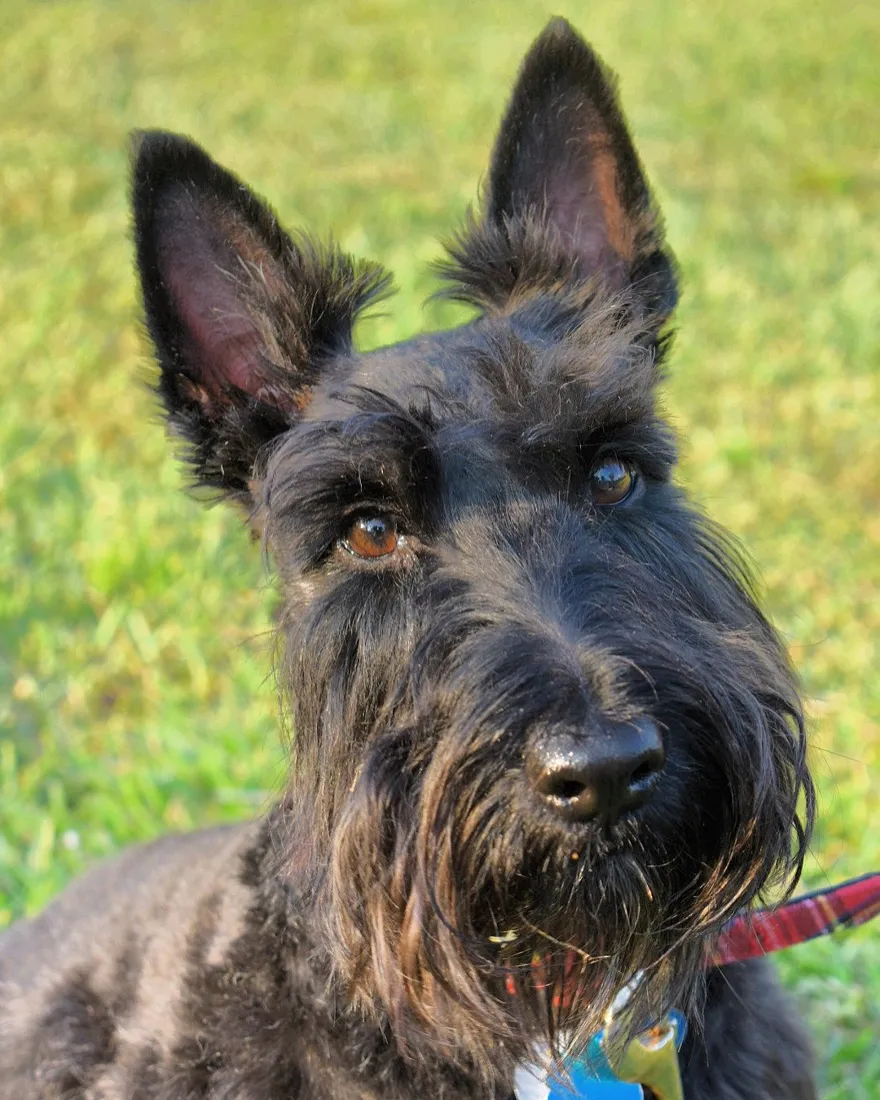

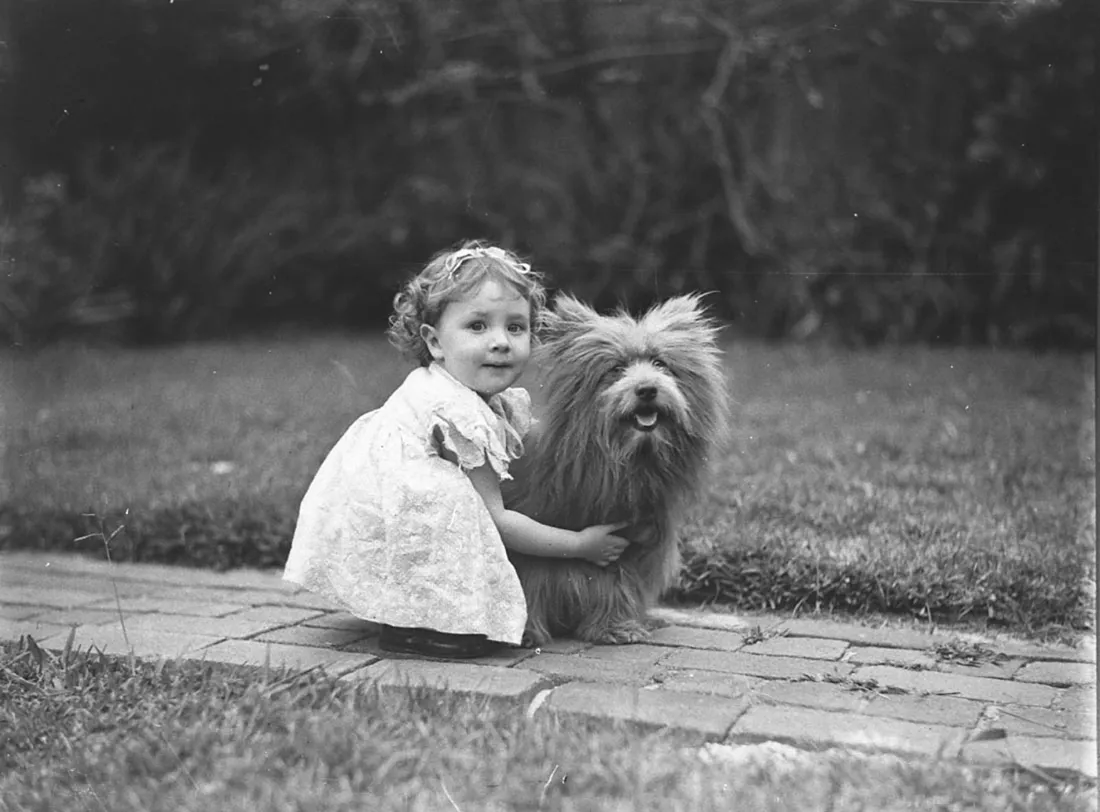

Photos show different individual dogs from licensed libraries, not one dog growing up. Stage labels are approximate, the way a careful editor would judge them.
About the Scottish Terrier
Scotland produced the Scottish Terrier, a small terrier bred to hunt vermin above and below ground, from rats in the barn to foxes and badgers in the earth. A terrier's day is a series of projects. Provide the projects (digging pit, tug, scent games) or the garden provides them.
History
What the Scottish Terrier was for, in Scotland, was work: to hunt vermin above and below ground, from rats in the barn to foxes and badgers in the earth. That single purpose, kept up over generations, explains the breed better than any show result. American breeders follow the AKC standard for the breed, which the club recognizes today. A typical life runs 12 to 15 years.
Personality
Confident, funny, determined and loyal, the Scottie is a big dog's character engineered into a twenty pound frame with a beard and a plan. The breed was the working person's vermin dog, expected to face badgers and foxes underground alone, and the self reliance never left: Scotties think for themselves, keep their dignity and bond deeply to their chosen people without clinging. They have a famously dry humour, a dignified walk and an independent streak that reads as stubborn to owners who expected a spaniel. Puppies are bold and busy; adults are calm, self possessed companions with a sentinel's sense of territory and a philosopher's face.
Temperament and traits
Energy (5/5)
Trainability (3/5)
Grooming needs (3/5)
Shedding (4/5)
Barking (4/5)
Good with children: Better with older children
With other dogs: With early socialization
With strangers: Friendly with strangers
Apartment life: Not ideal
Coat and care
Coat: Double (hard wiry & soft undercoat).
Colors: Standard colors: black, Brindle, Wheaten.
Measure meals rather than free feeding; this breed does best on a routine of consistent meals, training in short sessions and daily exercise matched to its type. Brush weekly, and daily during the two big seasonal sheds. Never shave a double coat. The typical terrier coat needs stripping or clipping depending on type, and the teeth of small terriers need real dental attention.
Exercise and grooming
Exercise
Forty five to ninety minutes a day, because even a small terrier bred for fox and badger work has a serious engine. Scotties enjoy purposeful walks with sniffing rights, garden patrols and structured play: tug, scent games and a digging pit channel the projects the terrier overview promises to provide before the garden does. They are powerful for their size with deep chests, and they overheat less readily than flat faced breeds but still deserve cool hours in summer. Puppies play in bursts with protected joints. A Scottie whose exercise and projects are paid is one of the most entertaining and self possessed small dogs in the house; an unpaid one digs, barks and reorganises.
Grooming
The hard, wiry jacket over a soft undercoat needs weekly brushing, and daily during the seasonal changes, per the general care notes, with the standard terrier choice: hand strip to keep the harsh, weatherproof texture and rich colour, or clip on a six to eight week cycle and accept a softer, paler coat. The famous furnishings, beard, brows and skirt, need combing through to prevent mats and beard washes after meals. Add ear care, nail trims and the real dental attention the care notes demand for small terriers, because small jaws crowd teeth and Scotties are no exception.
Training and daily life
Training
Scotties train well for owners who offer clarity, rewards and respect for the breed's working logic. They learn fast, bore quickly with repetition and respond badly to nagging or force, which simply engages the famous terrier brake. Present the priorities as jobs: a proper recall, lead manners, a settle, polite behaviour around dogs, and cooperative care for grooming and teeth. Short, varied sessions with real pay, food, tug and sniffing rights, keep the partnership warm. Socialise puppies widely so the friendliness the record notes matures into confidence. Owners who appreciate a thinking partner get a sharp, amusing and very capable dog.
Living with a Scottish Terrier
The Scottie suits households that appreciate dignity in a small dog: loyal to family, confident, funny in a dry way and protective of home and routine. They are friendly with strangers once introduced, take time with other dogs unless socialised early and are better with older children who respect a self possessed dog. Apartment living is possible for committed owners, though the record rates the breed as not ideal for flats, mostly because the voice and the exercise want outlets. Expect a dog that runs its house calmly, patrols its garden and chooses its moments of affection like a small, bearded head of state. For terrier people, nothing else quite serves.
What a Scottish Terrier costs
Food cost
About $16 per month for a typical 20 lb adult eating roughly 1.5 cups a day of a standard quality food ($1.60 per lb). Full breakdown in our food expense calculator.
Activity and exercise
Plan 45 to 90 minutes a day of walks, play and training. Under exercised dogs of most breeds invent their own projects, and they rarely pick good ones.
Insurance cost
Typical US range $30 to $57 per month for accident and illness cover. Estimate only, based on market ranges for this breed's risk profile; see the insurance estimator and the insurance guide.
On the monthly figures above, a typical adult year runs to about $198 for food and $360 to $684 for insurance, before routine vet care, grooming and gear. Year one costs more: vaccinations, spay or neuter surgery, a crate, bedding and training all land at once.
Growth: puppy to senior
How weight typically builds with age for a small breed, and when full size arrives.
| Stage | Age | Typical weight |
|---|---|---|
| Puppy | 8 weeks | about 3 to 4 lb |
| Puppy | 4 months | about 7 to 8 lb |
| Young | 6 months | about 10 to 13 lb |
| Young | 9 months | about 14 to 17 lb |
| Adult | 12 months | about 17 to 20 lb |
| Adult | Full grown | 18 to 22 lb (standard range) |
| Senior | From about 10 years | Healthy weight stays in the adult range; watch for slow gain or loss |
Growth pattern follows the size class growth curves published by the Waltham Petcare Science Institute, applied to the adult weight range in the breed standard. Individual puppies vary; steady growth matters more than hitting any single number, and your vet's growth checks come first.
Life stages
Puppies need socialisation, especially with other dogs, handling practice for grooming and teeth, and housetraining routine. Adolescents are strong minded, and consistent rules with real work carry the house through. Adults enjoy a long, robust prime with the standing jobs of weight, ears and coat. Twelve to fifteen years means senior status around ten: twice yearly checks with specific attention to the bladder and any blood in the urine, joint friendly walks and continued dignity preserving routines. Old Scotties stay Scotties to the end: opinionated, loyal and quietly hilarious.
Health
Scottie cramp is a breed specific movement quirk, von Willebrand disease has a DNA test, and bladder cancer rates are higher than average in older Scotties, so new lumps or blood in urine need prompt checks.
Conditions to know about
- Scottie cramp: A breed specific movement disorder: episodes of stiff, exaggerated movement triggered by excitement or exercise, in a dog that stays conscious and recovers. It is generally managed by recognising triggers rather than cured, and breeders avoid producing it where they can.
- Von Willebrand disease: A bleeding disorder with a DNA test available, as the record notes. Ask for both parents' test status, and tell any vet doing surgery on your Scottie about the breed's risk in advance.
- Bladder cancer: Scotties develop bladder cancer (transitional cell carcinoma) at higher rates than average, so new lumps or blood in the urine need prompt checks, exactly as the breed's record warns owners.
- Dental disease: The teeth of small terriers need real dental attention, from the breed's care notes. Crowded small jaws mean daily brushing and planned dental care protect the dog from its most predictable health expense.
Facts follow the Scottish Terrier breed standard (AKC, The Kennel Club and FCI standards agree on the essentials for this breed). Health notes summarize the conditions breed clubs and veterinary bodies most often flag for this breed. They are general information for choosing and caring, not a diagnosis or a substitute for your vet.
Gear for Scottish Terrier owners
Our team is hands on testing products for this guide right now. Recommendations will only appear here after real testing, and this module will always carry a plain affiliate disclosure at the top.
Scottish Terrier questions
How long do Scottish Terriers live?
A typical lifespan is 12 to 15 years. Weight control, dental care and screening for the breed's known conditions give a dog the best chance of reaching the top of that range.
How much does it cost to keep a Scottish Terrier?
Food for a typical adult runs about $16 a month at a standard quality tier, and accident and illness insurance usually falls between $30 and $57 a month in the US. Try the full cost calculator for a complete year one and yearly picture.
Are Scottish Terriers good with children?
Better with older children. As with every breed, supervise dogs and children together and teach children to respect the dog's space.
How much exercise does a Scottish Terrier need?
Plan on 45 to 90 minutes a day, split between walks, play and training games. Puppies and seniors need gentler, shorter sessions.
Why is my Scottie so stubborn?
Because the breed was paid to make independent decisions underground, facing badgers. The same self reliance reads as stubbornness at the kitchen door. Clear rules, rewards and not repeating cues endlessly get cooperation.
Are Scotties good with children?
Better with older children, as the breed's profile says. Scotties are dignified dogs that suit calm, respectful kids and dislike being manhandled, so they shine in quieter households.
Do Scotties shed?
Moderately across the seasons, and the wiry coat is usually hand stripped or clipped on schedule. Regular coat care keeps loose hair and house hair down to terrier normal levels.
Breeds similar to the Scottish Terrier Compare this breed with another