Schnoodle
Happy, people focused, playful and smart. From United States (Schnauzer x Poodle).
Designer Crosssmall breedUnited States (Schnauzer x Poodle)Standards checked
Standards checked: this profile's facts are checked against the breed standards of the AKC, The Kennel Club and the FCI, as described on our methodology page.
Gallery
Real photos from licensed sources only, each credited to its creator.
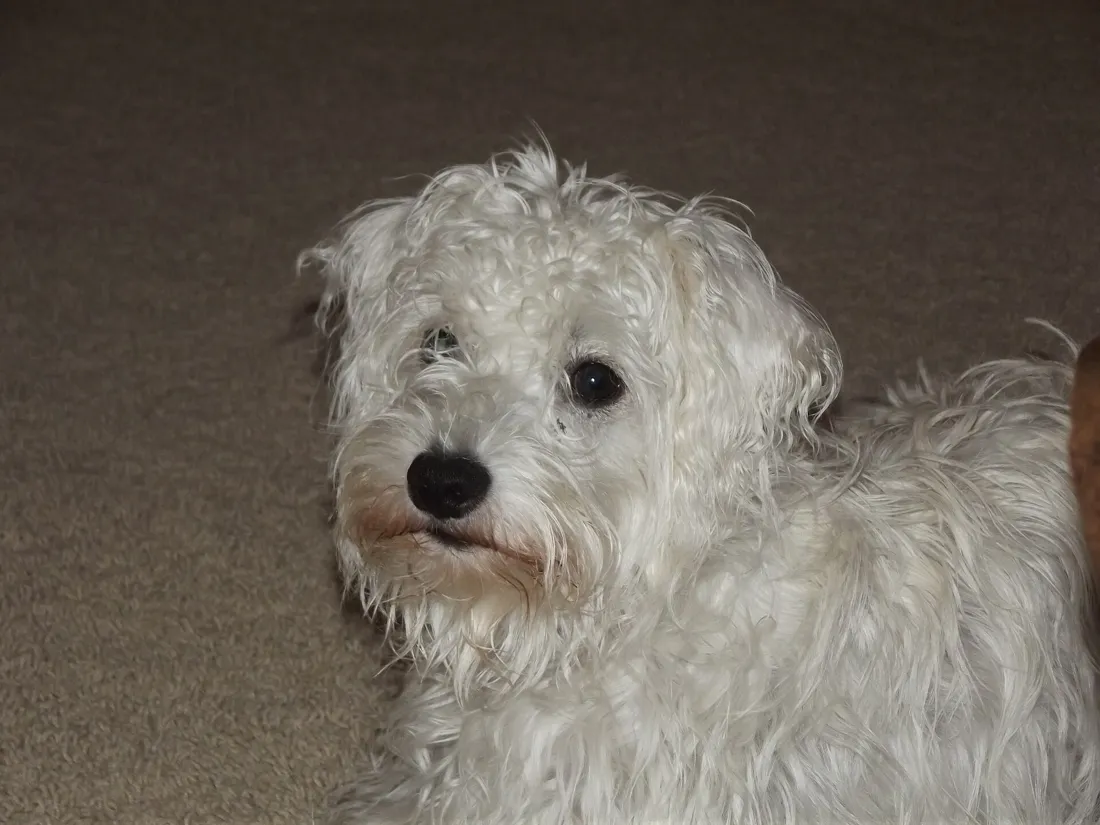




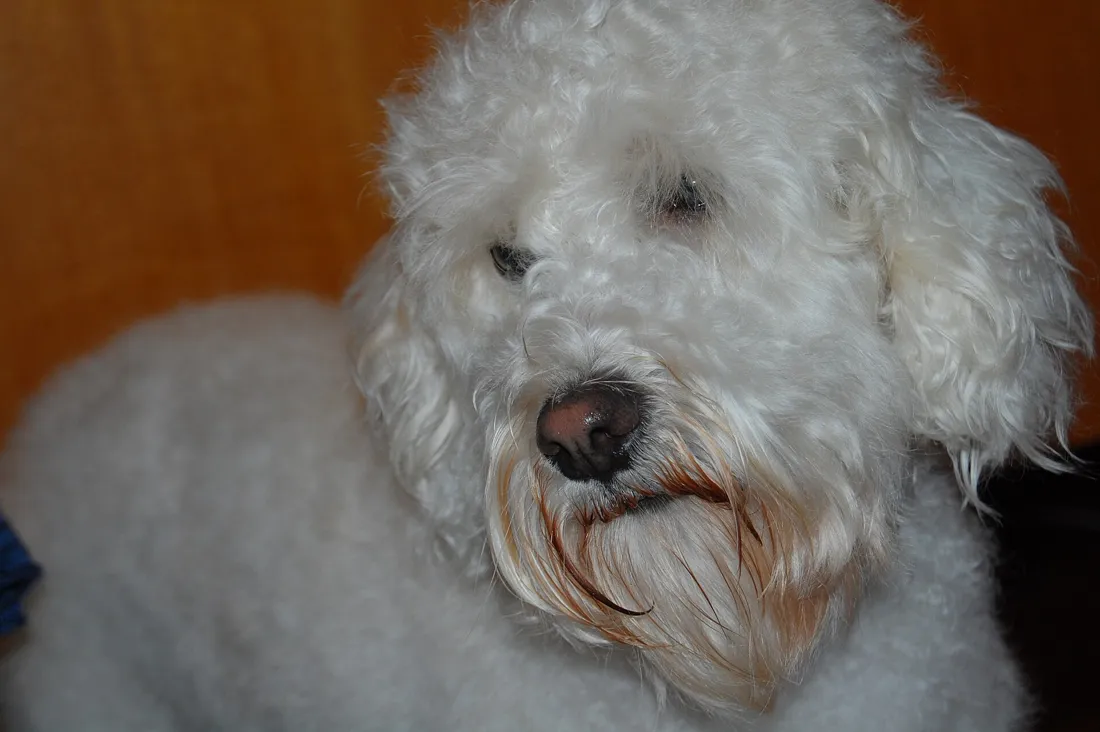

Photos show different individual dogs from licensed libraries, not one dog growing up. Stage labels are approximate, the way a careful editor would judge them.
About the Schnoodle
The Schnoodle crosses the Schnauzer with the Poodle, aiming for a family dog with the best of both. There is no standard and no guarantee with a cross, which is exactly why the breeder's health testing and honesty matter more here than anywhere.
History
This cross is a modern creation of the designer dog era rather than an old breed. It is not recognized by the major kennel clubs, and there is no single standard: the parent breeds are the best guide to any puppy.
Personality
Happy, people focused, playful and smart, the Schnoodle crosses the Schnauzer's bold, comical watchdog character with the Poodle's brains, aiming for a small family dog with sparkle. Schnoodles are alert and vocal compared with other doodles, devoted to their people and convinced that household security is their department. Individuals vary, as with every cross, but the centre is a bright, funny dog that learns fast and has opinions. Puppies are busy charmers; adults are cheerful, loyal companions with a terrier adjacent streak of independence under the teddy bear coat. Expect a dog that supervises the street, joins the games and supervises those too.
Temperament and traits
Energy (5/5)
Trainability (4/5)
Grooming needs (5/5)
Shedding (1/5)
Barking (3/5)
Good with children: Good with children
With other dogs: Good with dogs
With strangers: Friendly with strangers
Apartment life: Not ideal
Coat and care
Coat: A wavy or curly coat that usually sheds lightly, inherited from the Poodle side of the family.
Colors: The standard accepts a range of colors and patterns, and individual markings vary a lot.
Measure meals rather than free feeding; this breed does best on a routine of consistent meals, training in short sessions and daily exercise matched to its type. Brush several times a week right down to the skin and clip every six to eight weeks, or this coat mats fast. Coat care depends on which parent the coat takes after; most of these coats mat quickly and need brushing several times a week plus regular clipping.
Exercise and grooming
Exercise
Forty five to ninety minutes a day, at the energetic end of the doodle family: the record rates energy at the top of the scale, because both parents are working breeds in miniature, the Schnauzer a farm ratter and the Poodle a retriever. Brisk walks, play, training games and garden sessions all count, and the bright brain needs its share in training and puzzles. Puppies need bursts of play and protected joints. Size varies in this cross, so exercise scales to the dog in front of you. A Schnoodle whose programme is paid is a cheerful, funny house companion; one short changed is a small, loud project manager with opinions about the neighbours.
Grooming
Brush several times a week right down to the skin and clip every six to eight weeks, or this coat mats fast, exactly as the care guidance warns. Coats vary between the Schnauzer's wiry texture and the Poodle's curl, and most Schnoodles land in a wavy middle that tangles in ears, armpits and collar lines without comb through discipline. Beards, where the Schnauzer shows, need washing after meals. Start table manners in puppyhood. Add ear checks under hairy canals, nail trims and tooth brushing, because small mouths crowd teeth. Professional grooms every six to eight weeks are the norm, so budget for them as a fixed cost of the cross.
Training and daily life
Training
Schnoodles are quick, eager learners from two highly trainable breeds, and reward based sessions in short, varied bursts produce excellent results. The priorities are a quiet cue for the Schnauzer watchdog commentary, housetraining routine, recall, polite greetings, a settle, and comfort with the grooming table. Socialise widely so the alertness matures into confidence rather than sharpness. Harsh corrections are pointless with a dog this bright and sensitive; clarity and rewards build the polished result. Many Schnoodles enjoy trick training, mini agility and scent games, all of which employ the brain constructively.
Living with a Schnoodle
Schnoodles suit lively households that want a small, smart, funny companion with more dog in it than the teddy bear look suggests. Happy, playful and people focused, good with children, good with other dogs and friendly with visitors, they are socially easy and often excellent first crosses for active owners. The record rates flats as not ideal despite the size, because energy and voice run high; houses and committed flat dwellers who deliver the programme both work. Expect watchdog commentary, beard management and a dog that joins everything. Choose the breeder and the parent dogs carefully, as the overview insists, because in a cross they are the quality system.
What a Schnoodle costs
Food cost
About $16 per month for a typical 20 lb adult eating roughly 1.5 cups a day of a standard quality food ($1.60 per lb). Full breakdown in our food expense calculator.
Activity and exercise
Plan 45 to 90 minutes a day of walks, play and training. Under exercised dogs of most breeds invent their own projects, and they rarely pick good ones.
Insurance cost
Typical US range $30 to $57 per month for accident and illness cover. Estimate only, based on market ranges for this breed's risk profile; see the insurance estimator and the insurance guide.
On the monthly figures above, a typical adult year runs to about $198 for food and $360 to $684 for insurance, before routine vet care, grooming and gear. Year one costs more: vaccinations, spay or neuter surgery, a crate, bedding and training all land at once.
Growth: puppy to senior
How weight typically builds with age for a small breed, and when full size arrives.
| Stage | Age | Typical weight |
|---|---|---|
| Puppy | 8 weeks | about 2 to 5 lb |
| Puppy | 4 months | about 4 to 11 lb |
| Young | 6 months | about 6 to 17 lb |
| Young | 9 months | about 8 to 23 lb |
| Adult | 12 months | about 9 to 28 lb |
| Adult | Full grown | 10 to 30 lb (standard range) |
| Senior | From about 10 years | Healthy weight stays in the adult range; watch for slow gain or loss |
Growth pattern follows the size class growth curves published by the Waltham Petcare Science Institute, applied to the adult weight range in the breed standard. Individual puppies vary; steady growth matters more than hitting any single number, and your vet's growth checks come first.
Life stages
Puppies need socialisation, grooming habituation from the first clips, housetraining routine and early quiet cue training while the watchdog habits form. Adolescents are bright and occasionally loud, and sport plus structure carries the household through. Adults enjoy a long, cheerful prime: keep the coat worked through, teeth brushed and weight lean. Twelve to fifteen years puts senior status around ten: twice yearly checks, dental planning and joint friendly play. Old Schnoodles stay people focused, funny and involved, asking mostly for company and comfort.
Health
A cross can inherit health conditions from either parent breed, so the right question is what both parents were tested for: hips, eyes and the DNA panels of both breeds as a minimum. A crossbreeder who cannot show certificates is one to walk away from.
Conditions to know about
- Conditions inherited from either parent: The cross's rule governs: a Schnoodle can inherit from the Schnauzer or the Poodle, so what both parents were tested for is the question. A breeder who cannot show certificates is one to walk away from.
- Eye conditions: Both parent breeds carry inherited eye risks, Schnauzers for cataracts and retinal problems and Poodles likewise, so eye examinations and DNA results for both parents are core panel items.
- Pancreatitis and metabolic issues: The Miniature Schnauzer side is prone to pancreatitis and blood fat problems, which crosses can inherit. Low fat feeding discipline and asking the breeder about Schnauzer parent screening are the practical protections.
- Patellar luxation: The small breed joint risk from both sides of the family at Schnoodle size. Patella results for both parents belong in the minimum conversation.
This is a designer cross, not a kennel club breed, so there is no official standard. Figures follow the parent breeds and reputable breeder consensus. Health notes summarize the conditions breed clubs and veterinary bodies most often flag for this breed. They are general information for choosing and caring, not a diagnosis or a substitute for your vet.
Gear for Schnoodle owners
Our team is hands on testing products for this guide right now. Recommendations will only appear here after real testing, and this module will always carry a plain affiliate disclosure at the top.
Schnoodle questions
How long do Schnoodles live?
A typical lifespan is 12 to 15 years. Weight control, dental care and screening for the breed's known conditions give a dog the best chance of reaching the top of that range.
How much does it cost to keep a Schnoodle?
Food for a typical adult runs about $16 a month at a standard quality tier, and accident and illness insurance usually falls between $30 and $57 a month in the US. Try the full cost calculator for a complete year one and yearly picture.
Are Schnoodles good with children?
Good with children. As with every breed, supervise dogs and children together and teach children to respect the dog's space.
How much exercise does a Schnoodle need?
Plan on 45 to 90 minutes a day, split between walks, play and training games. Puppies and seniors need gentler, shorter sessions.
How big will a Schnoodle get?
A range, ten to thirty pounds on this page, set by whether the parents were miniature or standard leaning. Crosses vary, so ask breeders for the parents' sizes and honest expectations.
Do Schnoodles bark a lot?
The Schnauzer side brings watchdog instincts, so many Schnoodles announce arrivals with enthusiasm. Early training of a quiet cue and enough exercise keep the commentary proportionate.
Are Schnoodles hypoallergenic?
They usually shed very lightly thanks to both parents' coat types, which suits many allergy sensitive homes. Lightly is not never, and the grooming commitment is total either way.