Schipperke
Alert, hardworking, sensitive and deeply bonded. From Belgium.
Non-Sportingsmall breedBelgiumStandards checked
Standards checked: this profile's facts are checked against the breed standards of the AKC, The Kennel Club and the FCI, as described on our methodology page.
Gallery
Real photos from licensed sources only, each credited to its creator.


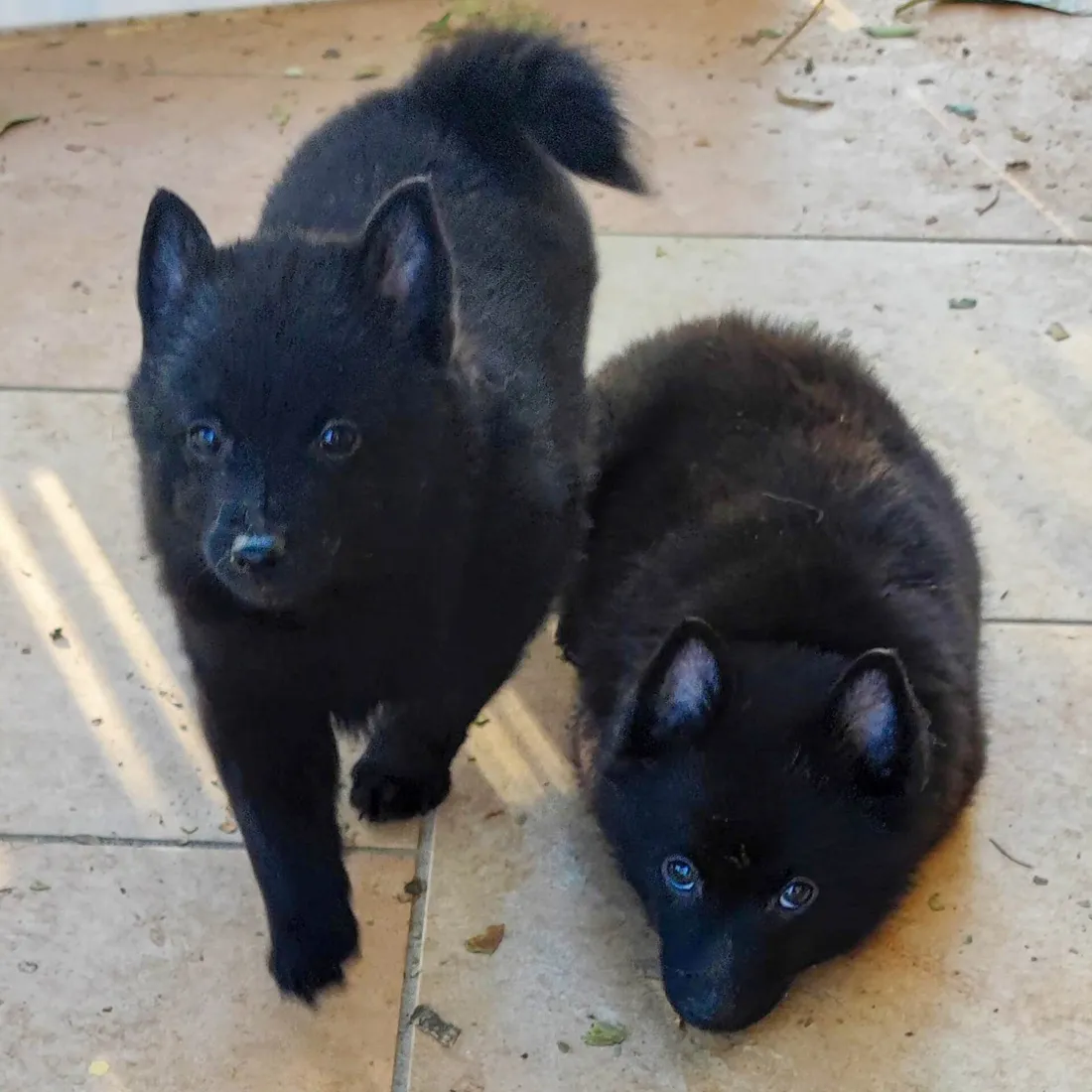

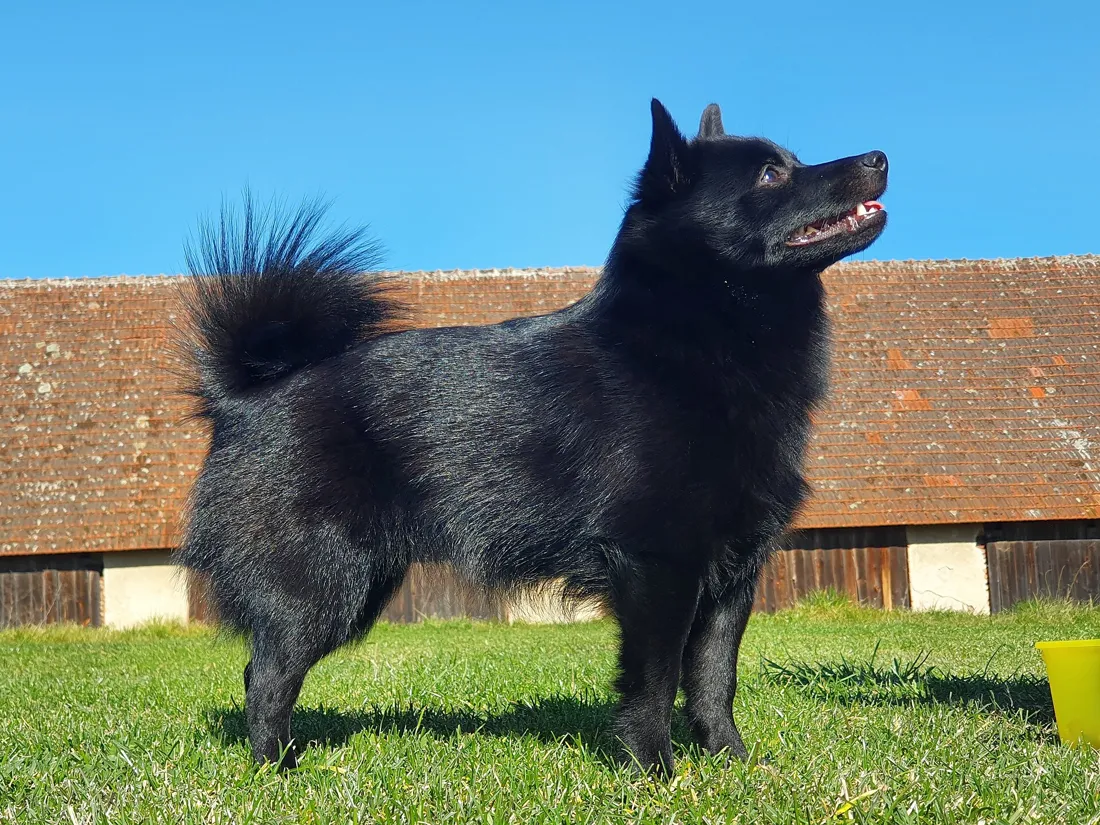

Photos show different individual dogs from licensed libraries, not one dog growing up. Stage labels are approximate, the way a careful editor would judge them.
About the Schipperke
Belgium produced the Schipperke, a small herding breed bred to move sheep and cattle with eye, bark and body, working all day beside the shepherd or farmer. Few breeds bond harder or work harder. The deal is simple: your time and training, in exchange for the most capable partner in the dog world.
History
Belgium produced the Schipperke for one main task: to move sheep and cattle with eye, bark and body, working all day beside the shepherd or farmer. It is described as alert, hardworking, sensitive and deeply bonded. Today the breed sits in the AKC lists, and American breeders work to its published standard. The adult stands 10 to 13 in at the shoulder and weighs 10 to 16 lb.
Personality
Alert, hardworking, sensitive and deeply bonded, with a mischievous streak a mile wide: the Schipperke is Belgium's little captain, the barge dog that guarded cargo, caught rats and ran the boat like it owned the canal. The site record files it under herding templates, but the real Schipperke is a watchdog and companion of terrier like curiosity, spitz independence and clownish energy. They bond completely, patrol constantly and have a famous nickname in folklore, the little black devil, earned by the puppies and the bored. Puppies are tiny black hurricanes; adults are keen, devoted companions that stay busy, bright and opinionated for life.
Temperament and traits
Energy (5/5)
Trainability (5/5)
Grooming needs (3/5)
Shedding (4/5)
Barking (4/5)
Good with children: Good with children
With other dogs: Usually good with dogs
With strangers: Reserved with strangers
Apartment life: Not ideal
Coat and care
Coat: A profuse double coat, harsh on top with a softer undercoat beneath, almost always solid black. It sheds in season and needs a weekly brush through to stop the undercoat packing down.
Colors: Standard colors: black (common) or Cream (rare) or Red/Liver (very rare).
Measure meals rather than free feeding; this breed does best on a routine of consistent meals, training in short sessions and daily exercise matched to its type. Brush weekly, and daily during the two big seasonal sheds. Never shave a double coat. Mental work matters as much as miles: ten minutes of training tires a herding dog more honestly than an hour of aimless walking.
Exercise and grooming
Exercise
An hour is a floor and the record's range runs to two hours, which surprises people meeting a thirteen pound dog: the Schipperke is a working barge dog and watchdog with a tireless engine and a busier brain. Walks, play, training and jobs fill the programme, and the care notes' rule is the breed in one line: mental work matters as much as miles, because ten minutes of training tires a bright dog more honestly than an hour of aimless walking. Puppies play in bursts. Secure fencing matters, because Schipperkes are agile, curious and historically employed at catching things. A worked Schipperke is a devoted, entertaining companion; an idle one becomes the little black devil of Belgian folklore.
Grooming
Brush weekly, and daily during the two big seasonal sheds, and never shave a double coat, exactly as the care notes direct. The dense black coat forms the breed's signature ruff, cape and culottes, and needs combing through in sections so the undercoat does not felt at the seasonal blows. Shedding is moderate between events. Baths are occasional, and the black coat shows dust honestly. Teeth benefit from regular brushing, ears take weekly checks and nails need trims. Puppies need kind grooming habituation, because coat care is a weekly partnership for fifteen years with a dog that has opinions about everything, including brushes.
Training and daily life
Training
That top train score reflects a genuinely brilliant little dog: Schipperkes learn at speed and excel at obedience, agility and tricks when the teaching is varied, rewarding and respectful of their independence. Drilling bores them into mischief. The priorities are recall, which must compete with a hunter's curiosity; a quiet cue for a champion announcer; lead manners; a settle; and socialisation that schools the watchdog instinct into judgement. Harsh methods engage the famous stubbornness; humour and structure produce a sharp, polished companion. Owners who give a Schipperke work describe one of the most capable small dogs in the world.
Living with a Schipperke
The Schipperke suits engaged, experienced households that want a big working character in a small black package. Alert, sensitive and deeply bonded, good with children, usually good with other dogs and reserved with strangers, it rates apartments as not ideal in the record because energy, voice and curiosity all push outward, though committed owners in flats do succeed with the full programme. Expect mischief, devotion, watchdog commentary and a dog that regards itself as the captain of the household, which was literally its job. For owners who enjoy a clever, busy, utterly individual dog, the little captain is a legend in thirteen pounds.
What a Schipperke costs
Food cost
About $12 per month for a typical 13 lb adult eating roughly 1.1 cups a day of a standard quality food ($1.60 per lb). Full breakdown in our food expense calculator.
Activity and exercise
Plan 60 to 120 minutes a day of walks, play and training. Under exercised dogs of most breeds invent their own projects, and they rarely pick good ones.
Insurance cost
Typical US range $29 to $54 per month for accident and illness cover. Estimate only, based on market ranges for this breed's risk profile; see the insurance estimator and the insurance guide.
On the monthly figures above, a typical adult year runs to about $143 for food and $348 to $648 for insurance, before routine vet care, grooming and gear. Year one costs more: vaccinations, spay or neuter surgery, a crate, bedding and training all land at once.
Growth: puppy to senior
How weight typically builds with age for a small breed, and when full size arrives.
| Stage | Age | Typical weight |
|---|---|---|
| Puppy | 8 weeks | about 2 to 3 lb |
| Puppy | 4 months | about 4 to 6 lb |
| Young | 6 months | about 6 to 9 lb |
| Young | 9 months | about 8 to 12 lb |
| Adult | 12 months | about 9 to 15 lb |
| Adult | Full grown | 10 to 16 lb (standard range) |
| Senior | From about 10 years | Healthy weight stays in the adult range; watch for slow gain or loss |
Growth pattern follows the size class growth curves published by the Waltham Petcare Science Institute, applied to the adult weight range in the breed standard. Individual puppies vary; steady growth matters more than hitting any single number, and your vet's growth checks come first.
Life stages
Puppies need thorough socialisation, secure fencing audited early, handling for grooming and early training while the dog is still impressed by anything. Adolescents are at maximum mischief, and jobs plus structure carry the household through. Adults enjoy a long, busy prime: keep the coat worked through, weight lean and the work coming. Thirteen to fifteen years puts senior status around ten: twice yearly checks with thyroid awareness, joint friendly exercise and continued light duties. Old Schipperkes stay devoted, vocal and entirely in charge, captaining their households to the end.
Health
Mucopolysaccharidosis type IIIB is a DNA tested condition in this breed, alongside patellar luxation and thyroid checks. Mostly a hardy, long lived little dog. Ask to see health test results for both parents before you commit to a puppy; a good breeder will offer them before you ask.
Conditions to know about
- Mucopolysaccharidosis type IIIB (MPS IIIB): A DNA tested condition in this breed, per the record: a serious inherited storage disease. Ask for both parents' DNA results; testing is the control.
- Patellar luxation: Named alongside the DNA test in the breed's panel: the slipping kneecap of small breeds, screened in breeding dogs. A skipping gait deserves assessment.
- Hypothyroidism: Thyroid checks complete the named panel in the record. Weight gain, lethargy and coat changes warrant a blood test, and the condition manages well on daily medication.
- A hardy, long lived little dog: Mostly a hardy, long lived little dog, in the record's verdict, with lifespans of thirteen to fifteen years. The screening list still applies, because hardy breeds stay hardy through breeders who test.
Facts follow the Schipperke breed standard (AKC, The Kennel Club and FCI standards agree on the essentials for this breed). Health notes summarize the conditions breed clubs and veterinary bodies most often flag for this breed. They are general information for choosing and caring, not a diagnosis or a substitute for your vet.
Gear for Schipperke owners
Our team is hands on testing products for this guide right now. Recommendations will only appear here after real testing, and this module will always carry a plain affiliate disclosure at the top.
Schipperke questions
How long do Schipperkes live?
A typical lifespan is 13 to 15 years. Weight control, dental care and screening for the breed's known conditions give a dog the best chance of reaching the top of that range.
How much does it cost to keep a Schipperke?
Food for a typical adult runs about $12 a month at a standard quality tier, and accident and illness insurance usually falls between $29 and $54 a month in the US. Try the full cost calculator for a complete year one and yearly picture.
Are Schipperkes good with children?
Good with children. As with every breed, supervise dogs and children together and teach children to respect the dog's space.
How much exercise does a Schipperke need?
Plan on 60 to 120 minutes a day, split between walks, play and training games. Puppies and seniors need gentler, shorter sessions.
What does Schipperke mean?
It is Flemish for little captain, after the breed's role aboard Belgian canal barges: watchdog, ratter and crew mascot in one small black package.
Why do some Schipperkes have no tail?
The breed is often born with anything from a full tail to none, and docking was traditional in its barge days. The tailless silhouette is famous but the variation is natural to the breed.
Are Schipperkes good watchdogs?
Among the best at their size: alert, vocal and utterly convinced of their authority. They announce everything, which makes them excellent alarms and a negotiation with close neighbours.
Breeds similar to the Schipperke Compare this breed with another