Home / Breeds / Rhodesian Ridgeback
Rhodesian Ridgeback
Bright, vocal, independent and cheerful. From Southern Africa.
Houndlarge breedSouthern AfricaStandards checked
Standards checked: this profile's facts are checked against the breed standards of the AKC, The Kennel Club and the FCI, as described on our methodology page.
Gallery
Real photos from licensed sources only, each credited to its creator.


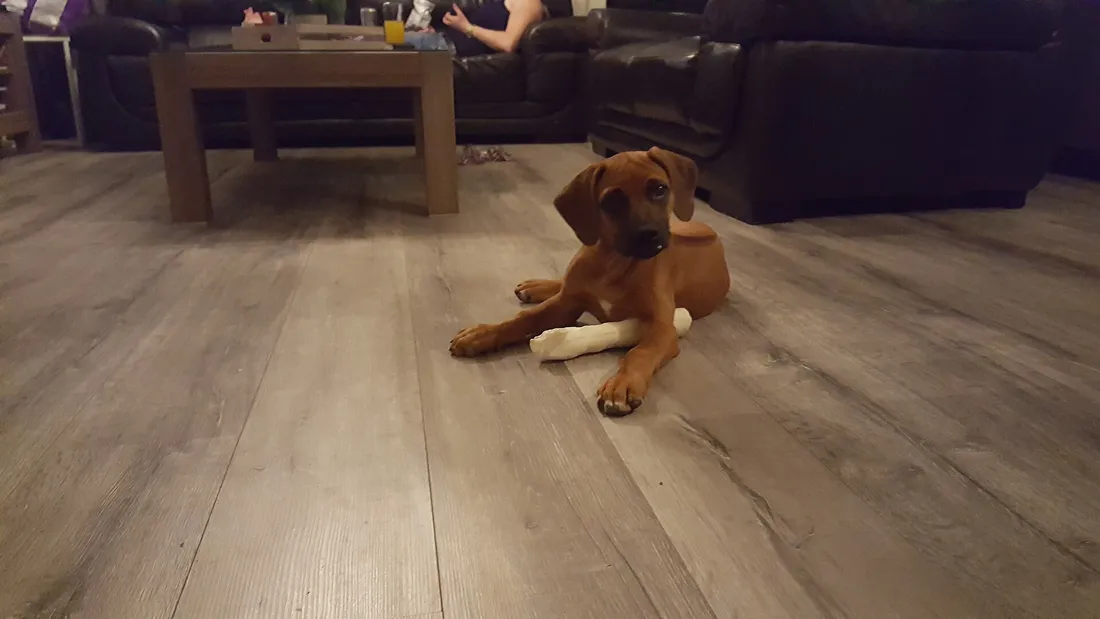

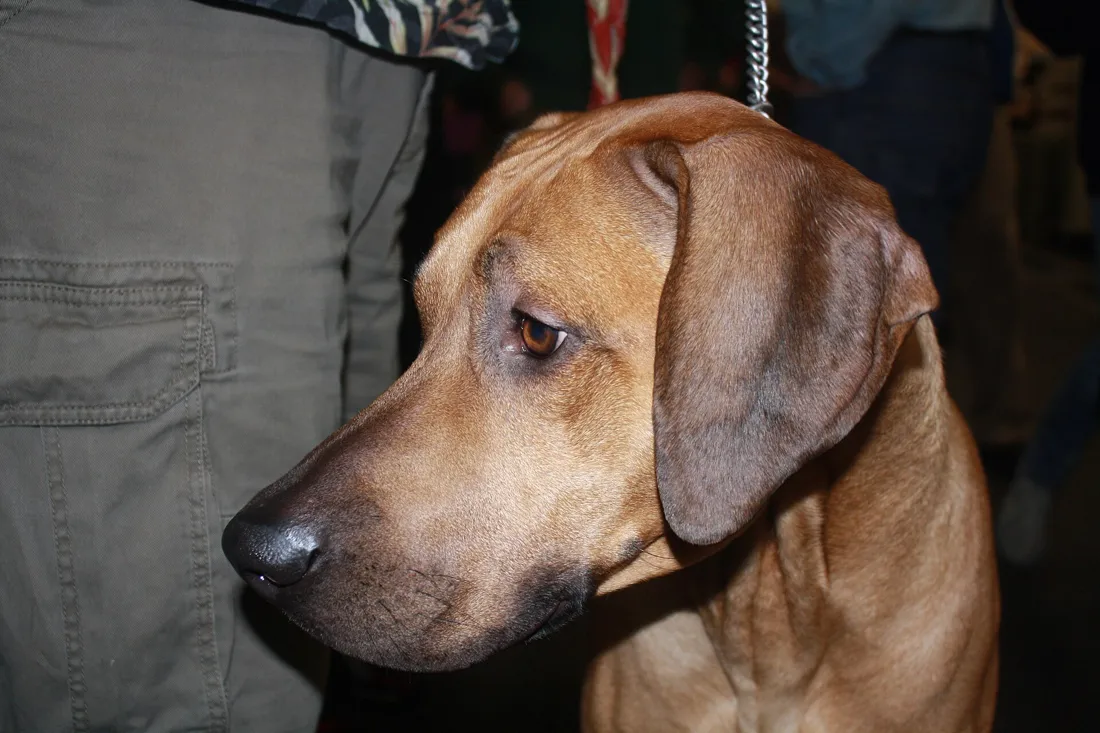

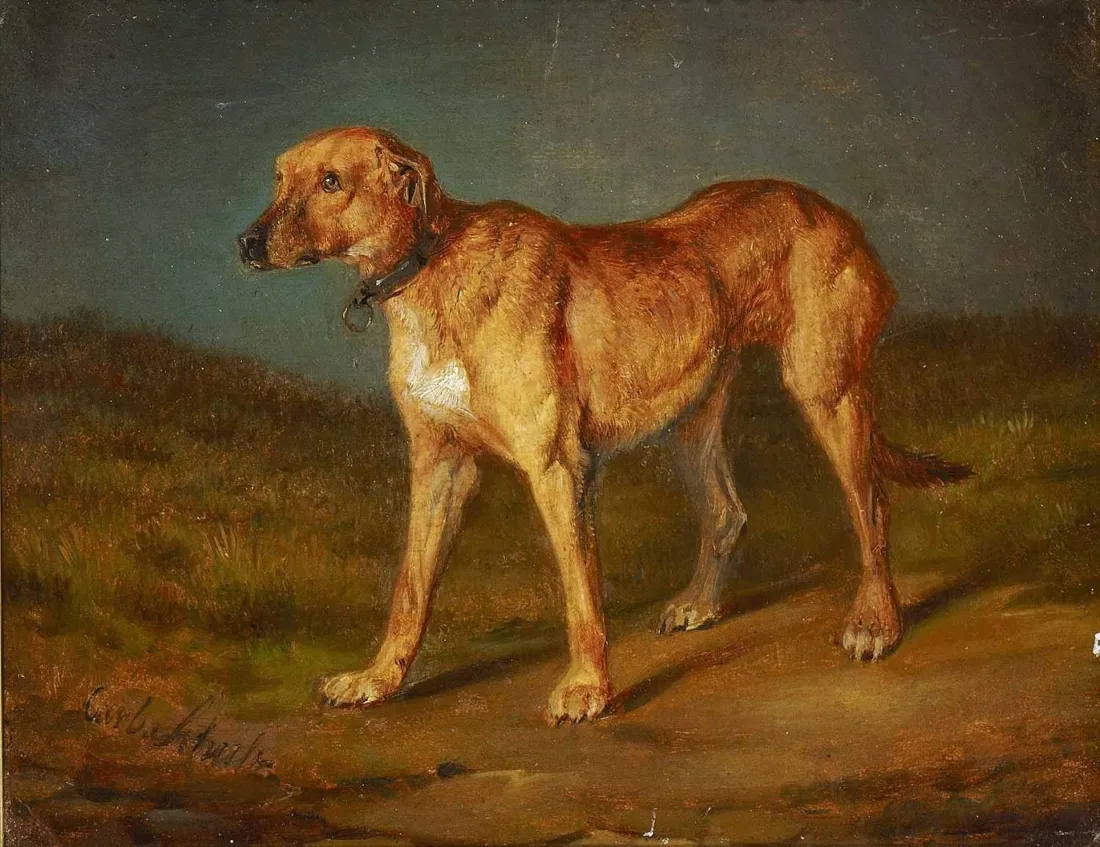

Photos show different individual dogs from licensed libraries, not one dog growing up. Stage labels are approximate, the way a careful editor would judge them.
About the Rhodesian Ridgeback
The Rhodesian Ridgeback is a large spitz breed from Southern Africa, developed to work as an all purpose northern farm, hunting and companion dog in a hard climate. Spitz breeds are clever, foxy and opinionated, with a double coat that multiplies at shedding season. They suit owners who like a dog that talks back a little.
History
The Rhodesian Ridgeback sits on the hounds and spitz types side of the dog world and was developed in Southern Africa to work as an all purpose northern farm, hunting and companion dog in a hard climate. The AKC recognizes the breed today, and its standard is the reference most US breeders work to. A typical life runs 10 to 12 years.
Personality
The Ridgeback is a dignified, independent hunter with a cheerful streak it saves for its own people. Bred in southern Africa to track game and hold lions at bay, it combines nerve, stamina and judgement in a dog that thinks for itself and does not perform obedience for applause. Ridgebacks bond deeply and quietly, choose their friends, and regard strangers with polite reserve until the owner signals otherwise. They are vocal in the record for this breed, bright and often comical at home, where the famous indoor off switch turns an athlete into a sunbathing ornament. Puppies are bold and busy. Owners who respect the independence get a companion of unusual character and loyalty.
Temperament and traits
Energy (4/5)
Trainability (3/5)
Grooming needs (3/5)
Shedding (4/5)
Barking (4/5)
Good with children: Good with children
With other dogs: With early socialization
With strangers: Reserved with strangers
Apartment life: With enough exercise
Coat and care
Coat: Short and dense, sleek and glossy in appearance.
Colors: Standard colors: light wheaten to red wheaten. A little white on the chest and toes is permissible. A dark muzzle and ears permissible. Excessive black hair throughout the coat is undesirable. Two nose color.
Feed to a visible waist tuck and weigh monthly; this breed does best on a routine of consistent meals, training in short sessions and daily exercise matched to its type. Weekly brushing keeps the coat healthy, with extra work when the undercoat sheds in spring and autumn. Never shave a double coat; it insulates in both directions. Brush through the seasonal coat blows or the undercoat felts.
Exercise and grooming
Exercise
Forty five to ninety minutes a day of real exercise: long walks, free running in secure areas where recall allows, hiking and play. The Ridgeback was built for endurance in a hard climate, covering ground steadily for hours, and adults have an athlete's stamina that a pavement potter will not touch. Young dogs need the usual joint care, building up gradually and avoiding repetitive pounding until grown. Off lead freedom needs honesty: this is a hunting breed with a serious prey drive, and recall around game is a project of months. At home the breed famously switches off and sleeps like furniture, which is the Ridgeback bargain: serious exercise outdoors, serious rest indoors.
Grooming
The short, dense, glossy coat is close to wash and wear: a weekly brush with a mitt or bristle brush removes loose hair, which sheds moderately and more in season, and baths are as needed. There is no undercoat drama and no clipping, ever. The standing jobs are the standard ones done properly: ears checked weekly, nails kept short, because long nails change how an athletic dog loads its feet, teeth brushed regularly and skin kept an eye on in folds and after muddy work. A Ridgeback in hard condition gleams, and the grooming effort to keep it that way is among the lowest of any large breed.
Training and daily life
Training
Ridgebacks are intelligent and entirely capable of polished training, provided the trainer accepts the breed's terms: short, varied, reward based sessions, clear rules and no endless drilling, which a Ridgeback will simply opt out of. The priorities are recall, proofed patiently on a long line because prey drive is the breed's core software, lead manners before the strength arrives, and socialisation that teaches calm judgement about strangers and dogs. Harsh methods produce a shut down or defiant dog; fair consistency produces a steady, responsive partner. Ridgebacks mature slowly, so expect the full training project to run two years rather than two months.
Living with a Rhodesian Ridgeback
A Ridgeback suits experienced, active households with space, secure fencing and a realistic view of prey drive. They are good with their own children, cheerful and loyal family members, reserved with strangers and selective with other dogs unless socialisation starts early and continues. Flats can work only for genuinely active owners, because the exercise is an athlete's and the dog is large, though indoors the breed is famously calm and quiet. Cats and small animals need care: this is a hunting dog. In return the Ridgeback offers dignity, humour, loyalty and one of the lowest grooming bills in the large breeds. It is a connoisseur's dog, and its people rarely switch.
What a Rhodesian Ridgeback costs
Food cost
About $46 per month for a typical 78 lb adult eating roughly 4.3 cups a day of a standard quality food ($1.60 per lb). Full breakdown in our food expense calculator.
Activity and exercise
Plan 45 to 90 minutes a day of walks, play and training. Under exercised dogs of most breeds invent their own projects, and they rarely pick good ones.
Insurance cost
Typical US range $40 to $72 per month for accident and illness cover. Estimate only, based on market ranges for this breed's risk profile; see the insurance estimator and the insurance guide.
On the monthly figures above, a typical adult year runs to about $549 for food and $480 to $864 for insurance, before routine vet care, grooming and gear. Year one costs more: vaccinations, spay or neuter surgery, a crate, bedding and training all land at once.
Growth: puppy to senior
How weight typically builds with age for a large breed, and when full size arrives.
| Stage | Age | Typical weight |
|---|---|---|
| Puppy | 8 weeks | about 8 to 10 lb |
| Puppy | 4 months | about 20 to 24 lb |
| Puppy | 6 months | about 34 to 41 lb |
| Young | 9 months | about 48 to 58 lb |
| Young | 12 months | about 57 to 70 lb |
| Adult | 18 months | about 66 to 81 lb |
| Adult | 24 months | about 70 to 85 lb |
| Adult | Full grown | 70 to 85 lb (standard range) |
| Senior | From about 7 years | Healthy weight stays in the adult range; watch for slow gain or loss |
Growth pattern follows the size class growth curves published by the Waltham Petcare Science Institute, applied to the adult weight range in the breed standard. Individual puppies vary; steady growth matters more than hitting any single number, and your vet's growth checks come first.
Life stages
Puppies should be checked for dermoid sinus at birth and again before homing, then need wide socialisation, because a strong, reserved adult is built in these months, plus steady, lean growth and gradually built exercise. Adolescents combine adult speed with a teenage hunting brain, and recall proofing and management around wildlife dominate the year. Adults are in a long, sound prime, and the standing jobs are weight, teeth and continued training. From around eight, seniors benefit from joint friendly exercise, twice yearly vet checks and vigilance about lumps and stamina changes. Ridgebacks often age with great dignity and stay active late.
Health
Hip screening and eye checks are the core tests in northern breeds. These are fundamentally hardy dogs shaped by hard climates, and most health management is weight, teeth and coat.
Conditions to know about
- Dermoid sinus: The Ridgeback's signature inherited condition: a tube of skin running inward along the back, linked to the ridge gene, which can infect if missed. Every puppy should be checked for it by palpation in the first days of life, as breed clubs require, and affected puppies need surgery and should not be bred from.
- Hip dysplasia: Hip screening is a core test in the breed, as the record for this breed states. Ask for both parents' scores, and keep young dogs lean while they grow.
- Elbow dysplasia: Occasionally a problem in the breed, screened alongside hips in careful programmes. Front leg lameness in a young Ridgeback should be X-rayed promptly.
- Eye conditions: Eye checks form the second core test in the breed's health panel. Cataracts and thyroid problems also appear from time to time in breed health reporting, so current certificates and honest breeder records are worth asking for.
Facts follow the Rhodesian Ridgeback breed standard (AKC, The Kennel Club and FCI standards agree on the essentials for this breed). Health notes summarize the conditions breed clubs and veterinary bodies most often flag for this breed. They are general information for choosing and caring, not a diagnosis or a substitute for your vet.
Gear for Rhodesian Ridgeback owners
Our team is hands on testing products for this guide right now. Recommendations will only appear here after real testing, and this module will always carry a plain affiliate disclosure at the top.
Rhodesian Ridgeback questions
How long do Rhodesian Ridgebacks live?
A typical lifespan is 10 to 12 years. Weight control, dental care and screening for the breed's known conditions give a dog the best chance of reaching the top of that range.
How much does it cost to keep a Rhodesian Ridgeback?
Food for a typical adult runs about $46 a month at a standard quality tier, and accident and illness insurance usually falls between $40 and $72 a month in the US. Try the full cost calculator for a complete year one and yearly picture.
Are Rhodesian Ridgebacks good with children?
Good with children. As with every breed, supervise dogs and children together and teach children to respect the dog's space.
How much exercise does a Rhodesian Ridgeback need?
Plan on 45 to 90 minutes a day, split between walks, play and training games. Puppies and seniors need gentler, shorter sessions.
What is the ridge on a Ridgeback's back?
A strip of hair growing in the opposite direction along the spine, the breed's signature. It comes from an ancient genetic duplication, and puppies are checked at birth for a related condition called dermoid sinus that is linked to the same gene.
Were Ridgebacks really used to hunt lions?
They were used to track and bay lions, holding them at bay for hunters rather than fighting them, which took nerve, speed and judgement. The name lion dog is earned, but the job was courage and brains, not combat.
Are Ridgebacks good family dogs?
For experienced, active families, yes: loyal, cheerful and good with their children. They are independent, strong and prey driven, so they are not a beginner's breed and not a dog park natural.
Breeds similar to the Rhodesian Ridgeback Compare this breed with another