Puli
Sharp, energetic, devoted and quick to learn. From Hungary.
Herdingmedium breedHungaryStandards checked
Standards checked: this profile's facts are checked against the breed standards of the AKC, The Kennel Club and the FCI, as described on our methodology page.
Gallery
Real photos from licensed sources only, each credited to its creator.
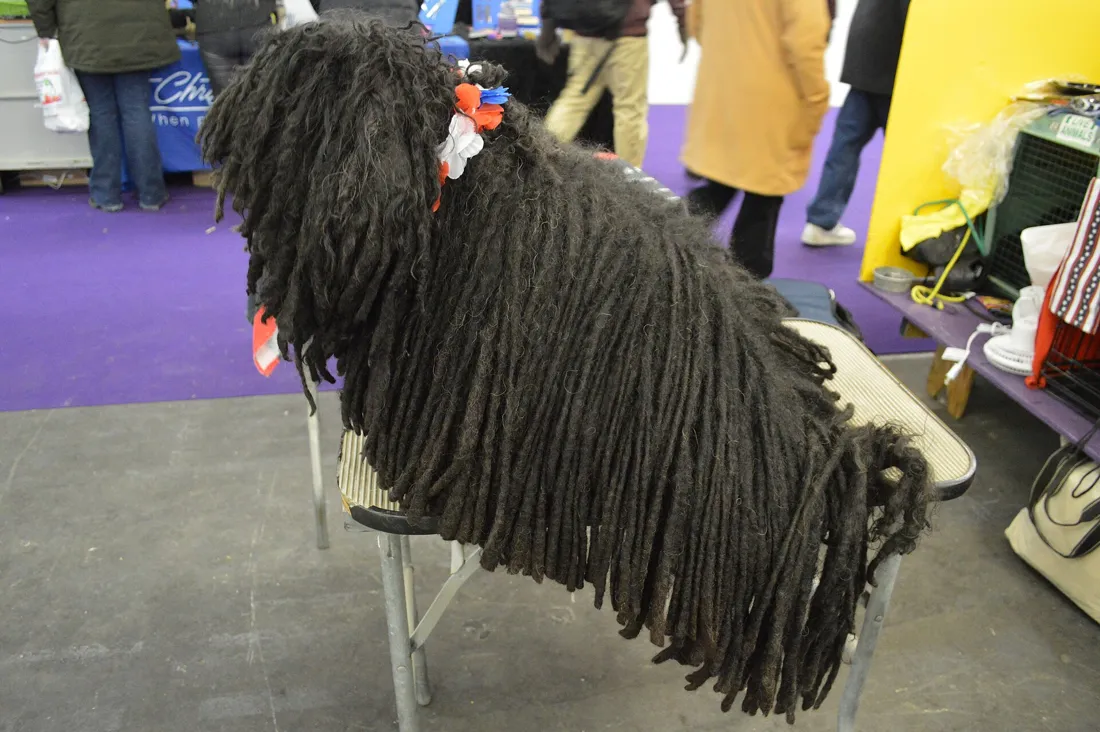

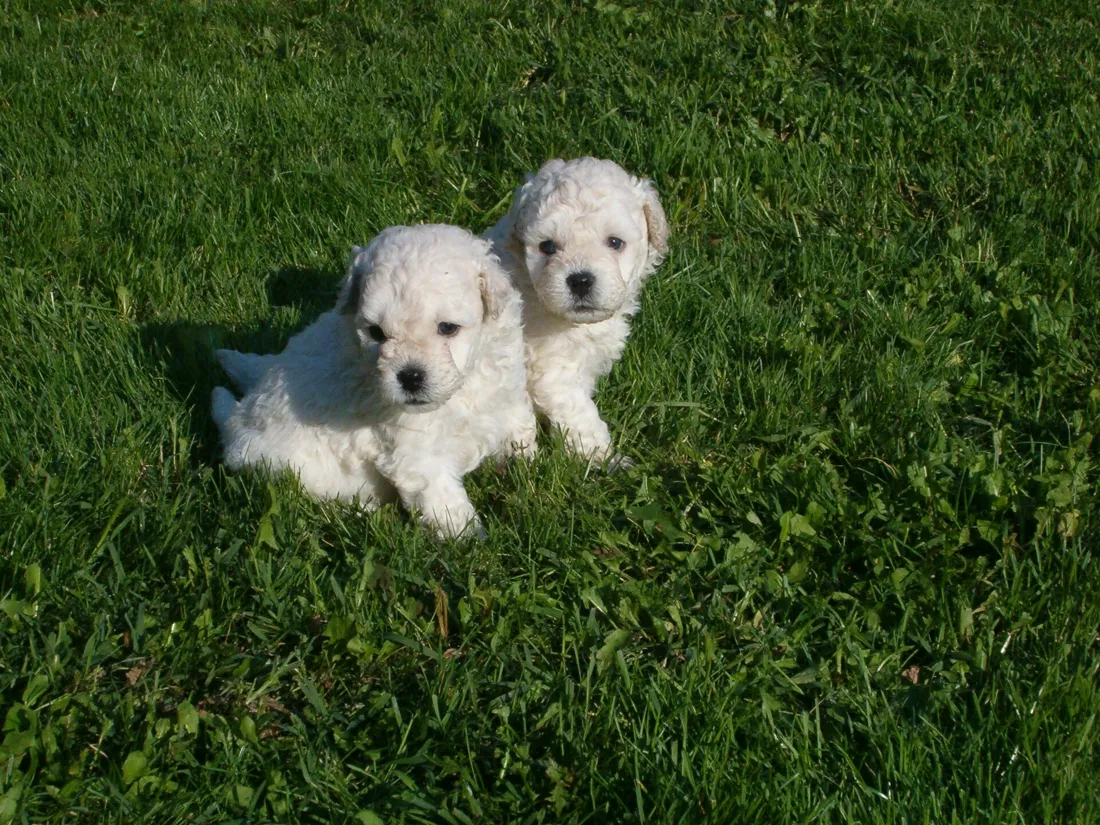

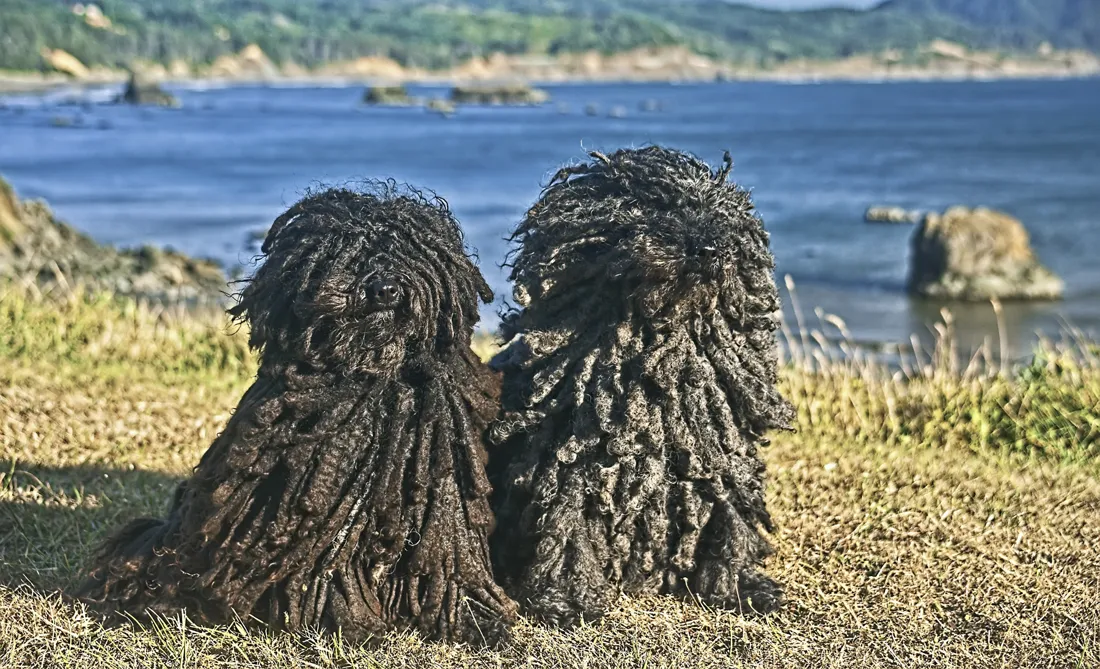

Photos show different individual dogs from licensed libraries, not one dog growing up. Stage labels are approximate, the way a careful editor would judge them.
About the Puli
From Hungary, the Puli is a medium sized herding breed whose traditional work was to move sheep and cattle with eye, bark and body, working all day beside the shepherd or farmer. Herding breeds read their owners like weather. They need training, structure and a daily job, and they notice everything, including things you would rather they had not.
History
What the Puli was for, in Hungary, was work: to move sheep and cattle with eye, bark and body, working all day beside the shepherd or farmer. That single purpose, kept up over generations, explains the breed better than any show result. American breeders follow the AKC standard for the breed, which the club recognizes today. Dense, weather resistant double coat whose wavy outer hairs and fine undercoat felt together into natural cords.
Personality
Sharp, energetic, devoted and quick to learn is the record's Puli, Hungary's corded sheepdog: an ancient herder of the Magyar plains, quick, acrobatic and famously intelligent, hidden under the most recognisable coat in dogdom. Pulik are lively, funny and deeply bonded, with a herder's vigilance and a performer's timing. They think independently, work joyfully and regard their families as flocks to be managed with love and mild exasperation. Puppies are bright, fluffy charmers whose coats begin cording in the second year; adults are keen, devoted partners of unusual character. Owners describe a sheepdog, a comedian and a hairstyle in one irreplaceable package.
Temperament and traits
Energy (5/5)
Trainability (5/5)
Grooming needs (3/5)
Shedding (3/5)
Barking (4/5)
Good with children: Good with children
With other dogs: Usually good with dogs
With strangers: Reserved with strangers
Apartment life: Not ideal
Coat and care
Coat: Dense, weather resistant double coat whose wavy outer hairs and fine undercoat felt together into natural cords. The cords shed almost nothing but need separating by hand and careful drying after baths.
Colors: The standard accepts a range of colors and patterns, and individual markings vary a lot.
Measure meals rather than free feeding; this breed does best on a routine of consistent meals, training in short sessions and daily exercise matched to its type. Brush weekly and check ears, teeth and nails as part of the routine. Mental work matters as much as miles: ten minutes of training tires a herding dog more honestly than an hour of aimless walking.
Exercise and grooming
Exercise
An hour is a floor and the record's range runs to two: the Puli is Hungary's ancient sheepdog, a tireless, acrobatic herder that worked the plains in all weathers, famous for running across the backs of sheep to get where it needed to be. Brisk walks, free running, herding, agility and training fill the programme, and the athleticism is genuine: this is one of the bounciest herding breeds alive. Mental work matters as much as miles, per the care notes. Puppies build up gradually. Herding breeds read their owners like weather, per the overview, and the Puli reads with humour. A worked Puli is a devoted, entertaining companion; an idle one is a corded household manager rearranging the flock.
Grooming
The care line on this page gives generic herding advice about weekly brushing, and an honesty note belongs here: a corded Puli is never brushed. The famous cords form from the double coat and are maintained by separating them by hand, washing the whole dog carefully and drying for many hours, because cords hold water like rope. Many pet owners choose the practical alternative: a short clip that keeps the Puli character with ordinary care, combing through weekly exactly as the care notes say. Either way, ears need checks under the coat, nails need trims and teeth benefit from brushing. Choose the coat lifestyle before the puppy, not after.
Training and daily life
Training
With a train score at the top of this site's scale, the Puli is an outstanding pupil: quick to learn, eager to work and handler bonded, excelling at herding, agility and obedience. The breed's intelligence includes opinions, so training stays interesting or the Puli improvises. Reward based structure with variety is the method. The priorities are a quiet cue, recall, a settle, lead manners, herding urges redirected to toys, and cooperative care for whichever coat lifestyle you chose. Harsh methods damage a sensitive dog's confidence; warmth, clarity and humour build the partnership. Owners describe training a Puli as directing a very talented, very hairy colleague.
Living with a Puli
The Puli suits active, experienced households that want a living piece of Hungarian history with a comedian's soul. Sharp, energetic and devoted in the record's ratings, good with children, usually good with other dogs and reserved with strangers, it rates apartments as not ideal because exercise, brain and the coat decision all push outward. Expect devotion, bouncing, herding supervision and a dog whose hairstyle starts every conversation. Owners choose between the full corded commitment and the clipped practical life, and both camps describe the same dog: clever, funny, devoted and entirely unique, a sheepdog that looks like a mop and works like a manager.
What a Puli costs
Food cost
About $22 per month for a typical 29 lb adult eating roughly 2.0 cups a day of a standard quality food ($1.60 per lb). Full breakdown in our food expense calculator.
Activity and exercise
Plan 60 to 120 minutes a day of walks, play and training. Under exercised dogs of most breeds invent their own projects, and they rarely pick good ones.
Insurance cost
Typical US range $36 to $64 per month for accident and illness cover. Estimate only, based on market ranges for this breed's risk profile; see the insurance estimator and the insurance guide.
On the monthly figures above, a typical adult year runs to about $261 for food and $432 to $768 for insurance, before routine vet care, grooming and gear. Year one costs more: vaccinations, spay or neuter surgery, a crate, bedding and training all land at once.
Growth: puppy to senior
How weight typically builds with age for a medium breed, and when full size arrives.
| Stage | Age | Typical weight |
|---|---|---|
| Puppy | 8 weeks | about 3 to 5 lb |
| Puppy | 4 months | about 7 to 11 lb |
| Young | 6 months | about 12 to 18 lb |
| Young | 9 months | about 17 to 26 lb |
| Adult | 12 months | about 20 to 31 lb |
| Adult | 18 months | about 23 to 35 lb |
| Adult | Full grown | 23 to 35 lb (standard range) |
| Senior | From about 8 years | Healthy weight stays in the adult range; watch for slow gain or loss |
Growth pattern follows the size class growth curves published by the Waltham Petcare Science Institute, applied to the adult weight range in the breed standard. Individual puppies vary; steady growth matters more than hitting any single number, and your vet's growth checks come first.
Life stages
Puppies need socialisation, protected joints while growing, training foundations laid early, and a coat decision made with the breeder: cording starts as the adult coat arrives. Adolescents are busy, bouncy and clever, and structured work carries the household through. Adults enjoy a long, vigorous prime: keep weight lean, cords separated or the clip maintained, and the jobs coming. The record's span runs ten to fifteen years, so senior status arrives around ten: twice yearly checks with hip and eye awareness, joint friendly exercise and continued light duties. Old Pulik stay devoted, funny and supervisory.
Health
Hip screening and eye checks are the core of responsible breeding in herding breeds, and several herding lines also DNA test for drug sensitivity (MDR1) and hereditary eye conditions. Ask the breeder what their lines are tested for.
Conditions to know about
- Hip dysplasia: Hip screening is core to responsible breeding in herding breeds, per the record. Ask for scores in writing, and keep this athletic dog lean and well muscled.
- Eye conditions: Eye checks complete the core panel named in the record. Ask for current certificates for both parents.
- MDR1 drug sensitivity (DNA test): Several herding lines also DNA test for drug sensitivity (MDR1) and hereditary eye conditions, per the record. Ask the breeder what their lines are tested for, and make sure any MDR1 status reaches your vet's file.
Facts follow the Puli breed standard (AKC, The Kennel Club and FCI standards agree on the essentials for this breed). Health notes summarize the conditions breed clubs and veterinary bodies most often flag for this breed. They are general information for choosing and caring, not a diagnosis or a substitute for your vet.
Gear for Puli owners
Our team is hands on testing products for this guide right now. Recommendations will only appear here after real testing, and this module will always carry a plain affiliate disclosure at the top.
Puli questions
How long do Pulis live?
A typical lifespan is 10 to 15 years. Weight control, dental care and screening for the breed's known conditions give a dog the best chance of reaching the top of that range.
How much does it cost to keep a Puli?
Food for a typical adult runs about $22 a month at a standard quality tier, and accident and illness insurance usually falls between $36 and $64 a month in the US. Try the full cost calculator for a complete year one and yearly picture.
Are Pulis good with children?
Good with children. As with every breed, supervise dogs and children together and teach children to respect the dog's space.
How much exercise does a Puli need?
Plan on 60 to 120 minutes a day, split between walks, play and training games. Puppies and seniors need gentler, shorter sessions.
How do Puli cords form?
The undercoat mats into cords naturally as the adult coat grows, helped by owners separating the mats into cords by hand over the first years. A fully corded coat takes two to four years to develop.
Can a Puli be kept uncorded?
Yes: many pet Pulik wear a clipped short coat that keeps the character without the cord maintenance. The dog is identical; only the hairstyle, and the laundry, change.
Are Pulis like Komondors?
Cousins in cords: the Komondor is the giant livestock guardian, calm and independent; the Puli is the small, lively herding dog, quick and funny. Same country, same cords, opposite temperaments.