Pug
Charming, mischievous, loving and adaptable. From China.
Toysmall breedChinaStandards checked
Standards checked: this profile's facts are checked against the breed standards of the AKC, The Kennel Club and the FCI, as described on our methodology page.
Gallery
Real photos from licensed sources only, each credited to its creator.


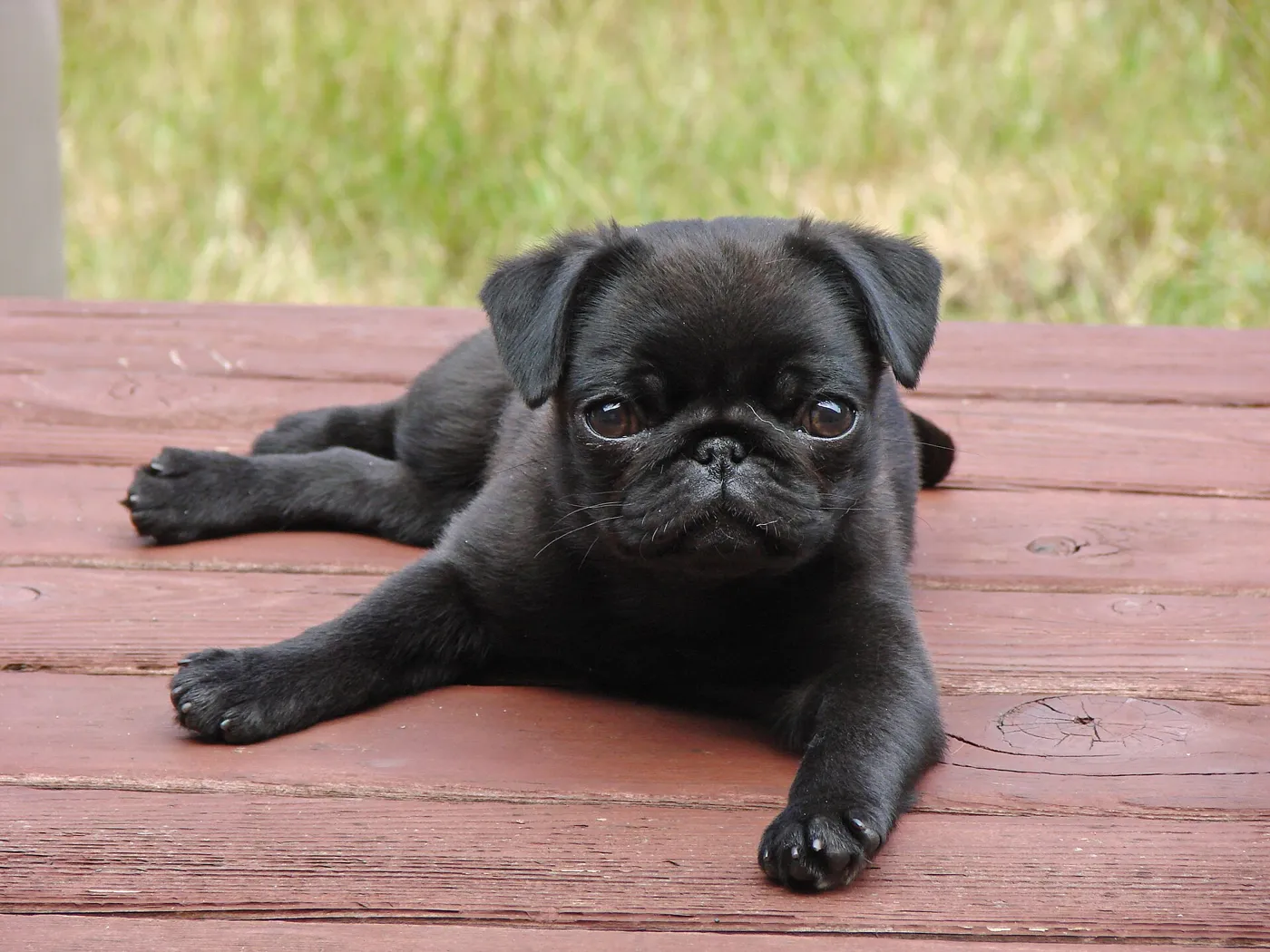

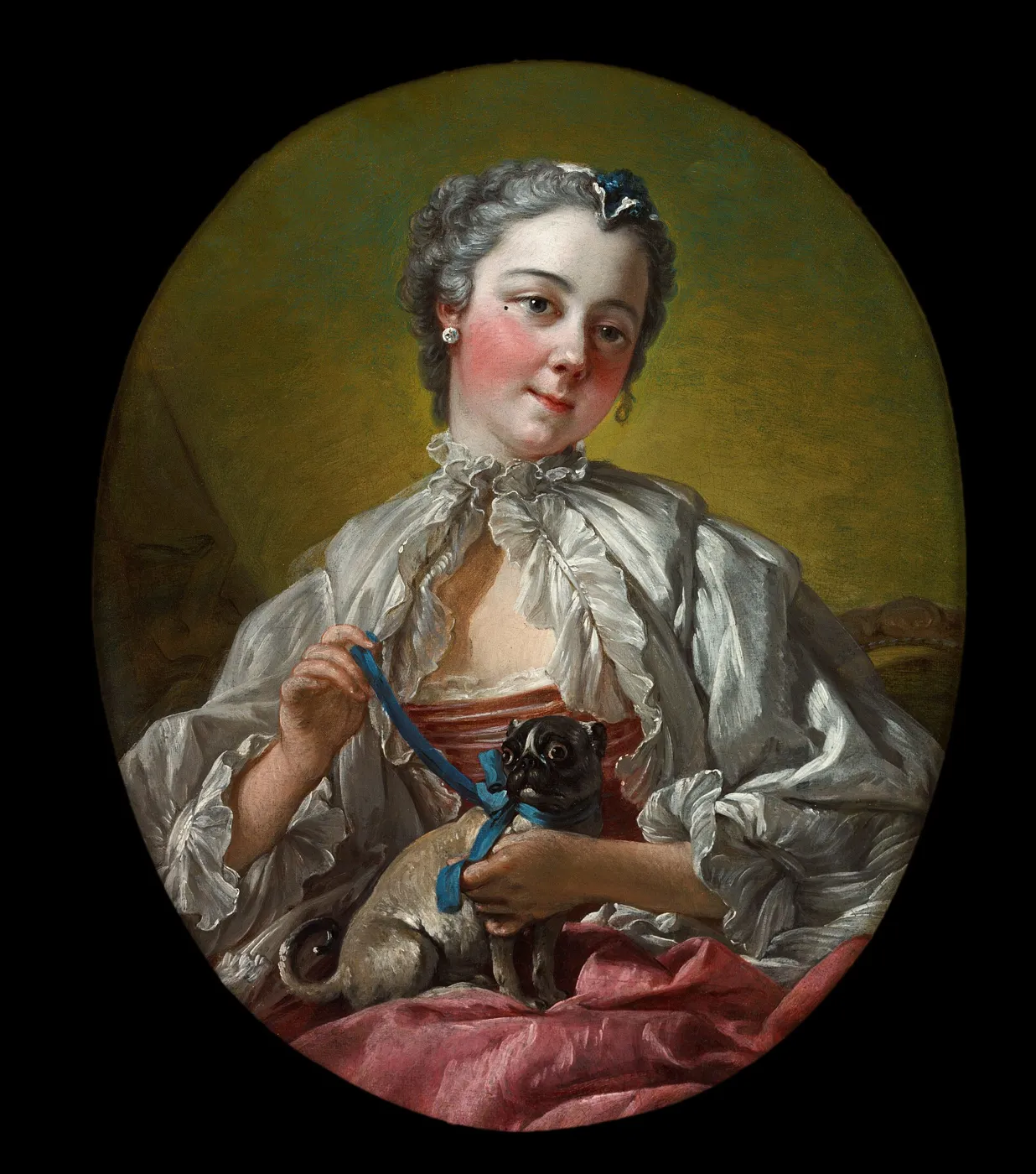

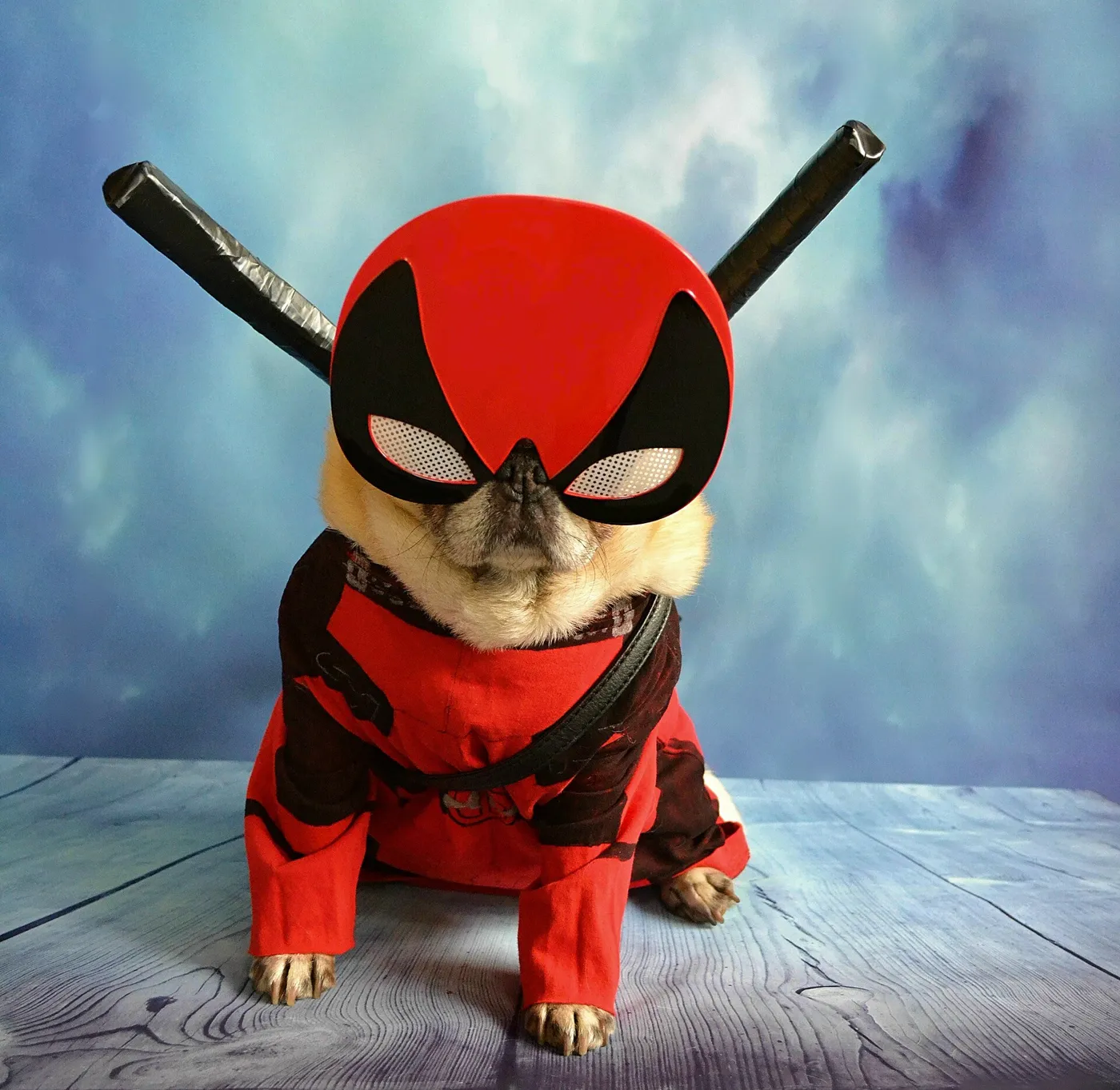

Photos show different individual dogs from licensed libraries, not one dog growing up. Stage labels are approximate, the way a careful editor would judge them.
About the Pug
Pugs are clowns in a sturdy little body, bred purely for companionship and very good at it. They are affectionate, playful and adaptable, equally happy in a flat or a farmhouse. Their flat faces mean breathing, heat and weight need watching for life.
History
Pugs were prized in imperial China more than two thousand years ago and traveled to Europe with Dutch traders in the 1500s. A Pug famously saved the life of William of Orange, making the breed the House of Orange's mascot.
Personality
The Pug is a professional charmer, bred for imperial laps and refined over two thousand years into a sturdy little clown whose whole purpose is company. Pugs are mischievous, loving and adaptable, greeting children, visitors and other dogs with the same wrinkled enthusiasm. They live to be near their people, preferably touching, and organise the day around meals, naps and being admired. There is a stubborn streak when a Pug's plans differ from yours, usually expressed by sitting down. Puppies are manic and hilarious; adults settle into devoted, snoring companionship. Few breeds make a house feel as inhabited, or a sofa as full, as quickly as a Pug.
Temperament and traits
Energy (3/5)
Trainability (3/5)
Grooming needs (3/5)
Shedding (5/5)
Barking (2/5)
Good with children: Good with children
With other dogs: Good with dogs
With strangers: Friendly with strangers
Apartment life: Well suited
Coat and care
Coat: Short, smooth double coat that sheds surprisingly much.
Colors: Silver, apricot fawn or fawn with a black mask, and solid black.
Keep meals small and measured; Pugs adore food and round Pugs breathe harder. Wipe face folds dry, brush weekly (you will still find hair everywhere), and exercise in cool weather only.
Exercise and grooming
Exercise
Thirty to forty five minutes a day in short, cool outings and gentle play is the Pug programme, and the weather rules everything. Walk early and late in summer, stop the moment breathing gets noisy and never ask a Pug to exercise in heat or humidity. Most Pugs enjoy social walks, garden games and pottering adventures at their own pace. Puppies need short play sessions. The exercise paradox of the breed is that Pugs need movement to stay slim, because fat worsens their breathing, while their breathing limits how they can move: the solution is little and often, always cool, always unhurried. Swimming is out; Pugs cannot swim safely.
Grooming
The short coat brushes out weekly, but do not let that fool you: Pugs shed heavily all year, and the brush is about volume control, not tidiness. The skin folds on the face need cleaning and thorough drying several times a week, because trapped moisture starts the fold infections the breed is prone to, and the tail pocket needs the same attention if your dog has one. Eyes sit prominently and collect dust, so a gentle daily wipe keeps them comfortable. Baths every few weeks, nails every couple of weeks and regular tooth brushing complete the routine, along with ear checks in those small, folded ears.
Training and daily life
Training
Pugs are clever, food obsessed and quietly stubborn, which makes training a negotiation you win with excellent snacks and short, amusing sessions. They learn household routines instantly and tricks readily; formal obedience takes longer because repetition bores them. Housetraining can be slow, especially in bad weather, which Pugs regard as a personal insult; a strict routine and instant praise get there. Priorities are lead manners, a recall reliable at garden scale, comfort with face fold cleaning and eye drops, and not begging, a subject on which Pugs hold doctorates. Scolding is useless on this proud little breed; rewards, routine and humour are the tools.
Living with a Pug
Pugs are among the most adaptable dogs alive for flats and houses alike: small, quiet by dog standards, modest in exercise and devoted to comfort and company. They are good with children, friendly with other dogs and welcoming to visitors, and they announce almost nothing, which suits neighbours. The conditions are serious company (Pugs pine when left all day), air conditioning or cool rooms in heat, strict portion control and acceptance of shedding and snoring at industrial levels. For owners who want a clown companion with minimal exercise demands and who will manage the breed's breathing honestly, the Pug is a joy. Choose breeding by breathing scores above all.
What a Pug costs
Food cost
About $14 per month for a typical 16 lb adult eating roughly 1.3 cups a day of a standard quality food ($1.60 per lb). Full breakdown in our food expense calculator.
Activity and exercise
Plan 30 to 45 minutes a day of walks, play and training. Under exercised dogs of most breeds invent their own projects, and they rarely pick good ones.
Insurance cost
Typical US range $45 to $80 per month for accident and illness cover. Estimate only, based on market ranges for this breed's risk profile; see the insurance estimator and the insurance guide.
On the monthly figures above, a typical adult year runs to about $167 for food and $540 to $960 for insurance, before routine vet care, grooming and gear. Year one costs more: vaccinations, spay or neuter surgery, a crate, bedding and training all land at once.
Growth: puppy to senior
How weight typically builds with age for a small breed, and when full size arrives.
| Stage | Age | Typical weight |
|---|---|---|
| Puppy | 8 weeks | about 2 to 3 lb |
| Puppy | 4 months | about 5 to 7 lb |
| Young | 6 months | about 8 to 10 lb |
| Young | 9 months | about 11 to 14 lb |
| Adult | 12 months | about 13 to 17 lb |
| Adult | Full grown | 14 to 18 lb (standard range) |
| Senior | From about 10 years | Healthy weight stays in the adult range; watch for slow gain or loss |
Growth pattern follows the size class growth curves published by the Waltham Petcare Science Institute, applied to the adult weight range in the breed standard. Individual puppies vary; steady growth matters more than hitting any single number, and your vet's growth checks come first.
Life stages
Puppies are more energetic than adults and need careful heat management, gentle socialisation and measured meals from the start, because a fat Pug puppy becomes a breathing compromised adult. Housetraining takes patience. Adults settle early into the pottering lifestyle, and the middle years are about the breed's holy trinity: weight, folds and cool air. Lifespans of twelve to fifteen years are common, and seniors from about ten need twice yearly checks, eye vigilance, continued short walks and help staying slim as metabolism slows. Old Pugs stay charming and devoted, and usually stay convinced that dinner is the day's main event.
Health
Breathing problems top the list, along with eye injuries and ulcers, skin fold infections, hip dysplasia and a breed specific spinal condition, Pug dog encephalitis. Breathing tested parents matter enormously.
Conditions to know about
- Brachycephalic airway syndrome: The breed's defining health issue: narrowed nostrils and an elongated palate make breathing hard work and heat dangerous. Breathing graded breeding dogs matter enormously, and severely affected dogs benefit from airway surgery. Keep Pugs slim and cool, always.
- Eye injuries and ulcers: Prominent eyes in shallow sockets damage easily: ulcers, scratches and even eyes popping from the socket after knocks all happen in this breed. Any squinting or cloudiness is a same day vet visit.
- Skin fold infections: Moisture in the facial folds and tail pocket grows bacteria and yeast. Drying folds after cleaning prevents most cases; red, smelly folds need veterinary treatment.
- Hip dysplasia: Pugs record hip dysplasia more often than their size suggests, and breeding dogs should be hip scored. Weight control is essential, because a heavy Pug loads both hips and airway.
- Pug dog encephalitis: A breed specific inflammatory brain disease, formally necrotising meningoencephalitis, that strikes young adult Pugs and is sadly fatal. DNA testing identifies dogs at higher risk, and breeders should test and discuss results openly.
Facts follow the Pug breed standard (AKC, The Kennel Club and FCI standards agree on the essentials for this breed). Health notes summarize the conditions breed clubs and veterinary bodies most often flag for this breed. They are general information for choosing and caring, not a diagnosis or a substitute for your vet.
Gear for Pug owners
Our team is hands on testing products for this guide right now. Recommendations will only appear here after real testing, and this module will always carry a plain affiliate disclosure at the top.
Pug questions
How long do Pugs live?
A typical lifespan is 12 to 15 years. Weight control, dental care and screening for the breed's known conditions give a dog the best chance of reaching the top of that range.
How much does it cost to keep a Pug?
Food for a typical adult runs about $14 a month at a standard quality tier, and accident and illness insurance usually falls between $45 and $80 a month in the US. Try the full cost calculator for a complete year one and yearly picture.
Are Pugs good with children?
Good with children. As with every breed, supervise dogs and children together and teach children to respect the dog's space.
How much exercise does a Pug need?
Plan on 30 to 45 minutes a day, split between walks, play and training games. Puppies and seniors need gentler, shorter sessions.
Why do Pugs snore and snort so much?
The sounds come from the shortened airway: elongated soft palates and narrow passages make breathing noisy awake and asleep. Snoring is normal Pug life; gasping, pauses in breathing or struggling in mild weather needs a vet conversation about the airway.
Do Pugs shed?
Remarkably, yes. The short double coat sheds heavily and constantly, and Pug hair appears on clothes, furniture and food with total commitment. Brushing twice a week reduces the volume but never ends it.
Can Pugs fly or travel in heat?
Pugs are risky travellers: airlines commonly restrict flat faced breeds in cargo holds because of breathing deaths, and hot cars are lethal to this breed in minutes. Plan travel around the dog's airway, always.