Home / Breeds / Poodle (Standard)
Poodle (Standard)
Intelligent, active, proud and eager. From Germany and France.
Non-Sportinglarge breedGermany and FranceStandards checked
Standards checked: this profile's facts are checked against the breed standards of the AKC, The Kennel Club and the FCI, as described on our methodology page.
Gallery
Real photos from licensed sources only, each credited to its creator.
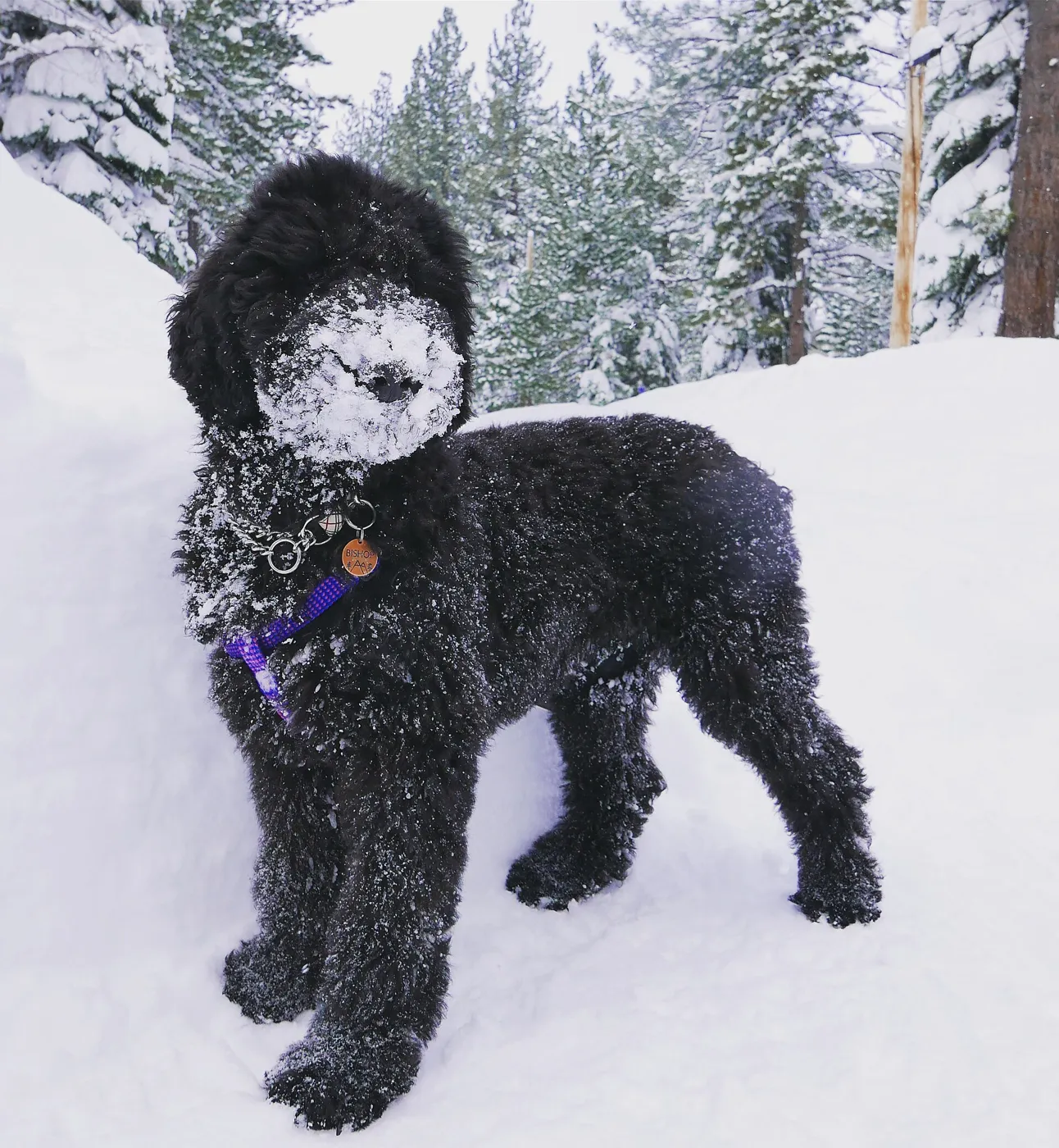

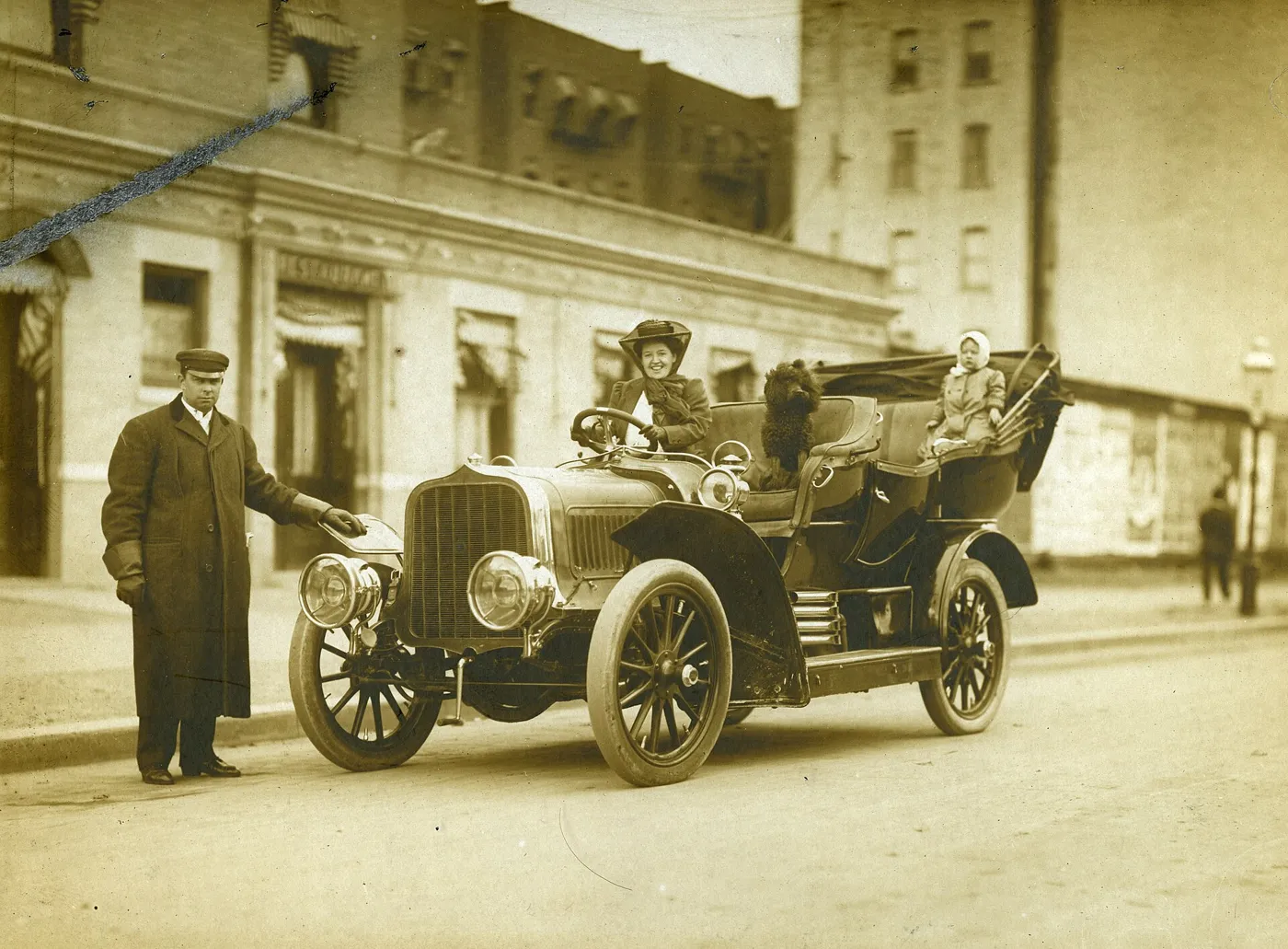

Photos show different individual dogs from licensed libraries, not one dog growing up. Stage labels are approximate, the way a careful editor would judge them.
About the Poodle (Standard)
The Standard Poodle is an athlete and an intellectual in a sculpted coat: originally a water retriever, now one of the most trainable dogs alive. Standards are playful, sensitive and busy minded. Miniature and Toy Poodles share the brains in smaller packages, with lifespans often longer.
History
The breed began in Germany as the Pudelhund, a water dog; its name comes from puddeln, to splash in water. France adopted it as a national dog, and the famous clips began as practical protection for joints and chest in cold water.
Personality
The Poodle's mind is the breed: quick, observant and often a step ahead of its owner. Standards combine an athlete's energy with a comedian's instinct for applause, and they learn routines, words and household patterns with unsettling speed. They are proud and sensitive rather than servile, and they respond best to owners who train with humour and clarity rather than force. A Poodle watches faces, reads moods and frequently appears to be listening to conversations. Boredom is the enemy: an unoccupied Poodle will redecorate, bark at the window or invent games involving your belongings. Given work, training and company, it is one of the most rewarding and versatile companions of any size.
Temperament and traits
Energy (4/5)
Trainability (5/5)
Grooming needs (5/5)
Shedding (1/5)
Barking (3/5)
Good with children: Good with children
With other dogs: Good with dogs
With strangers: Friendly with strangers
Apartment life: With enough exercise
Coat and care
Coat: Dense, curly single coat that grows continuously and sheds very little.
Colors: Many solid colors: black, white, apricot, red, silver, brown and more.
The coat is the job: brush and comb to the skin several times a week and clip every four to six weeks, or keep a short sporting clip. Ears need plucking decisions made with your vet or groomer, and teeth need care.
Exercise and grooming
Exercise
Give a Standard Poodle 60 to 90 minutes a day of varied activity. This breed was a working water retriever long before it was a fashion symbol, and it still swims, runs and retrieves like one. Mix lead walks with free running, fetch, swimming and brain work such as scent games and trick training; a Poodle denied mental exercise becomes restless and inventive. Miniature and Toy sizes need proportionally less, around 45 to 60 minutes for Miniatures and 30 to 45 for Toys. Puppies of every size need short, frequent play rather than long walks, and Standards should avoid repetitive jumping and stairs until growth plates close.
Grooming
Grooming is the Poodle bargain: almost no shedding in exchange for real, regular work. Brush and comb right down to the skin several times a week, because combing only the surface lets the roots felt into mats that must be clipped out. Most pets are clipped every four to six weeks into a short sporting or teddy style; keeping a short clip is the single biggest favour an owner can do themselves. Ears need care because hair grows in the canals and traps moisture; discuss plucking versus trimming with your vet or groomer and keep ears clean and dry. Add nails every few weeks and daily tooth brushing if you can manage it, since small Poodles especially build tartar quickly.
Training and daily life
Training
Poodles sit with the Border Collie at the top of most trainability rankings, and the training problem is rarely understanding: it is keeping up. They learn sequences, words and tricks at speed, spot inconsistency instantly and can train their owners right back if rules wobble. Short, varied, reward based sessions work best, and the breed excels at obedience, agility, scent work and assistance training. Socialise puppies widely, because intelligence plus sensitivity can tip into nervousness in undersocialised dogs. House training is usually quick, and the main puppy projects are mouthing, jumping up in greeting and teaching a settle, since a bright dog needs an off switch as much as an on switch.
Living with a Poodle (Standard)
Standards suit active family homes, larger flats included, as long as the exercise and grooming are honestly covered. They are good with children, civil with other dogs and polite with strangers once introduced, and they make surprisingly keen watchdogs in the alarm sense. Life with a Poodle means a dog that follows the household's emotional weather, joins every activity and demands to be included in decisions. They dislike being left alone for long stretches and can become anxious and vocal. The reward is a companion of unusual intelligence and humour that fits an extraordinary range of lives, from hill walking families to town dwellers who run and swim.
What a Poodle (Standard) costs
Food cost
About $35 per month for a typical 55 lb adult eating roughly 3.3 cups a day of a standard quality food ($1.60 per lb). Full breakdown in our food expense calculator.
Activity and exercise
Plan 60 to 90 minutes a day of walks, play and training. Under exercised dogs of most breeds invent their own projects, and they rarely pick good ones.
Insurance cost
Typical US range $38 to $66 per month for accident and illness cover. Estimate only, based on market ranges for this breed's risk profile; see the insurance estimator and the insurance guide.
On the monthly figures above, a typical adult year runs to about $422 for food and $456 to $792 for insurance, before routine vet care, grooming and gear. Year one costs more: vaccinations, spay or neuter surgery, a crate, bedding and training all land at once.
Growth: puppy to senior
How weight typically builds with age for a large breed, and when full size arrives.
| Stage | Age | Typical weight |
|---|---|---|
| Puppy | 8 weeks | about 5 to 8 lb |
| Puppy | 4 months | about 11 to 20 lb |
| Puppy | 6 months | about 19 to 34 lb |
| Young | 9 months | about 27 to 48 lb |
| Young | 12 months | about 33 to 57 lb |
| Adult | 18 months | about 38 to 66 lb |
| Adult | 24 months | about 40 to 70 lb |
| Adult | Full grown | 40 to 70 lb (standard range) |
| Senior | From about 7 years | Healthy weight stays in the adult range; watch for slow gain or loss |
Growth pattern follows the size class growth curves published by the Waltham Petcare Science Institute, applied to the adult weight range in the breed standard. Individual puppies vary; steady growth matters more than hitting any single number, and your vet's growth checks come first.
Life stages
Puppies of all sizes need socialisation, gentle handling for a lifetime of grooming, and short play sessions rather than long walks; Standards in particular should grow lean and slow to protect hips. The coat changes from puppy fluff to adult curl between nine and eighteen months and mats if neglected during the change. Adults are long lived, with Toys and Miniatures often reaching their mid teens, and the adult years ask for weight vigilance and continued training to keep the clever brain employed. Seniors benefit from twice yearly vet checks, joint friendly exercise such as swimming, dental attention and coat clips kept short and simple for comfort.
Health
Watch for Addison's disease, bloat, hip dysplasia, sebaceous adenitis (skin) and eye disease. Breeders should test hips, eyes, thyroid and DNA panel, and share Addison's history in the line.
Conditions to know about
- Addison's disease: The adrenal glands underproduce essential hormones, causing vague, waxing and waning illness that can collapse into a crisis. Standard Poodles are a predisposed breed; once diagnosed, daily medication controls it well and dogs live normal lives.
- Bloat (gastric dilatation volvulus): The deep chest puts Standards firmly in the at risk group for stomach twist. Many vets discuss a preventive stomach tacking operation at neutering for this breed, and owners should learn the signs of bloat either way.
- Hip dysplasia: Standard Poodles are hip scored in responsible breeding programmes, and the condition explains many cases of hind end stiffness in older dogs. Keeping the dog lean and fit protects scored and unscored hips alike.
- Sebaceous adenitis: An immune skin disease, most seen in Standards, where the glands that oil the coat are destroyed, causing scaling, odor and hair loss. It is diagnosed by skin biopsy and managed with oils, baths and medication.
- Eye diseases: Progressive retinal atrophy and other inherited eye conditions occur across the sizes, with DNA tests for the main forms and annual eye exams advised for breeding dogs.
Facts follow the Poodle (Standard) breed standard (AKC, The Kennel Club and FCI standards agree on the essentials for this breed). Health notes summarize the conditions breed clubs and veterinary bodies most often flag for this breed. They are general information for choosing and caring, not a diagnosis or a substitute for your vet.
Gear for Poodle (Standard) owners
Our team is hands on testing products for this guide right now. Recommendations will only appear here after real testing, and this module will always carry a plain affiliate disclosure at the top.
Poodle (Standard) questions
How long do Poodle (Standard)s live?
A typical lifespan is 10 to 18 years. Weight control, dental care and screening for the breed's known conditions give a dog the best chance of reaching the top of that range.
How much does it cost to keep a Poodle (Standard)?
Food for a typical adult runs about $35 a month at a standard quality tier, and accident and illness insurance usually falls between $38 and $66 a month in the US. Try the full cost calculator for a complete year one and yearly picture.
Are Poodle (Standard)s good with children?
Good with children. As with every breed, supervise dogs and children together and teach children to respect the dog's space.
How much exercise does a Poodle (Standard) need?
Plan on 60 to 90 minutes a day, split between walks, play and training games. Puppies and seniors need gentler, shorter sessions.
Are Poodles really hypoallergenic?
No dog is completely allergen free, but the Poodle's low shedding, continuously growing coat makes it one of the best tolerated breeds for many allergy sufferers. Spend time with adult Poodles before committing, and keep up the grooming that keeps dander down.
How often does a Poodle need clipping?
Every four to six weeks in most pet clips, with brushing and combing to the skin several times a week between clips. Owners who choose a very short all over clip stretch the brushing load the most; long show coats are a daily commitment.
Are Poodles good family dogs?
Yes, Standards in particular are playful, gentle and deeply attached to their families, and they get on well with children and other dogs. They do best in homes that enjoy an active, involved dog rather than a decorative one.