Newfoundland
Bold, devoted, watchful and trainable. From Canada.
Workinggiant breedCanadaStandards checked
Standards checked: this profile's facts are checked against the breed standards of the AKC, The Kennel Club and the FCI, as described on our methodology page.
Gallery
Real photos from licensed sources only, each credited to its creator.


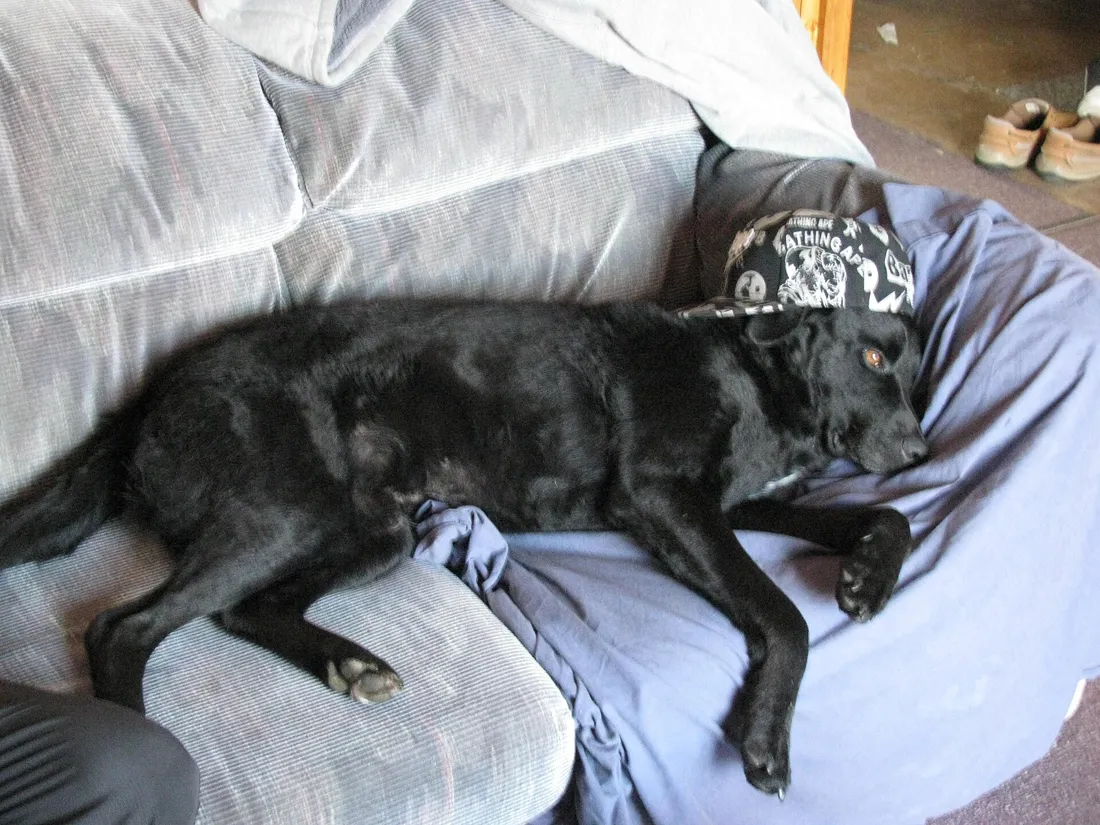


Photos show different individual dogs from licensed libraries, not one dog growing up. Stage labels are approximate, the way a careful editor would judge them.
About the Newfoundland
From Canada, the Newfoundland is a giant guard and working breed whose traditional work was to guard people and property and stand watch over homes, farms and families. Powerful, clever and devoted: the recipe works beautifully with committed owners and badly without them.
History
Guarding and general purpose working dogs stood beside soldiers, police and farmers for centuries before formal breeds were written down. The AKC recognizes the breed today, and its standard is the reference most US breeders work to.
Personality
Devotion is the Newfoundland's headline: a giant dog that appoints itself guardian of its people and takes the post with complete seriousness and surprising gentleness. The breed of this record is bold, watchful and highly trainable, clever enough to learn complex work and devoted enough to want to. Newfoundlands are famously sweet with children and steady in a crisis, the original water rescue dog that hauled drowning sailors to shore. They bond to the whole family, work happily as partners and pine when excluded. Puppies are endearing, clumsy bears; adults have a gravity and calm that owners find addictive. Power, cleverness and devotion is the recipe, and with committed owners it works beautifully.
Temperament and traits
Energy (4/5)
Trainability (4/5)
Grooming needs (3/5)
Shedding (3/5)
Barking (4/5)
Good with children: Good with children
With other dogs: With early socialization
With strangers: Wary of strangers
Apartment life: Not ideal
Coat and care
Coat: Thick, coarse double coat: a water resistant, slightly oily outer coat over a soft, dense undercoat. It sheds heavily, especially in spring, and mats if brushing lapses.
Colors: The standard accepts a range of colors and patterns, and individual markings vary a lot.
Feed to a visible waist tuck and weigh monthly; this breed does best on a routine of consistent meals, training in short sessions and daily exercise matched to its type. Brush weekly and check ears, teeth and nails as part of the routine. Start training and socialization in the first weeks home and never stop; a dog this capable notices every gap in the routine.
Exercise and grooming
Exercise
Sixty to ninety minutes a day of steady, unhurried exercise: walks, gentle swimming, which is this breed's heritage and joy, and play, without marathons or repetitive jumping. Newfoundlands are strong and willing but built for power and endurance in cold water rather than speed, and the giant frame overheats and tires sooner than smaller athletes. Puppies need the giant rules in full: growth runs for two years, so stairs stay minimal, play stays calm and meals stay measured for slow, lean growth. Keep adults lean and muscled with daily movement; a fit Newf is a happy Newf, and a fat one is an orthopedic and cardiac risk.
Grooming
The practical coat of the record still adds up to real work at this size: brush weekly through the thick double coat, working out the feathering behind the ears and legs, and step up to near daily during the two heavy seasonal sheds. Baths are big events involving a large shower or a hose and patience. The rest of the routine is giant scale: ears checked weekly, because heavy flaps trap moisture, nails trimmed regularly, teeth brushed, skin folds and drool wiped, and thick supportive bedding for the bony frame. Start grooming handling in puppyhood, because a Newfoundland that dislikes being handled is a wrestling match nobody wins.
Training and daily life
Training
Newfoundlands are clever, willing and stronger than their handlers by seven months old, so training starts in the first weeks home and never really stops, as the breed's care guidance puts it. Lead manners, recall at garden scale, settling and polite greetings taught with reward based consistency while the puppy is small become the adult's habits. Socialisation matters as much as commands: a dog this capable notices every gap in the routine, and confidence built young prevents wariness hardening. Sessions should be short, kind and regular. A well trained Newfoundland is a byword for steadiness; an untrained one is a hundredweight of good intentions going where it pleases.
Living with a Newfoundland
A Newfoundland needs a house with ground floor living, space for a dog the size of a grown man to stretch out, a car that fits it and a budget for giant sized everything. Within the family, the breed of the record is bold, devoted and trainable, good with children, accepting of household dogs with early socialisation and wary of strangers until they are vouched for, which makes it a genuine guardian as well as a companion. Stairs are hard on young joints and old ones. Drool and shedding are industrial. The eight to ten year lifespan is short. Newf people accept all of it for a dog they describe as the kindest presence in the house.
What a Newfoundland costs
Food cost
About $65 per month for a typical 125 lb adult eating roughly 6.1 cups a day of a standard quality food ($1.60 per lb). Full breakdown in our food expense calculator.
Activity and exercise
Plan 60 to 90 minutes a day of walks, play and training. Under exercised dogs of most breeds invent their own projects, and they rarely pick good ones.
Insurance cost
Typical US range $55 to $99 per month for accident and illness cover. Estimate only, based on market ranges for this breed's risk profile; see the insurance estimator and the insurance guide.
On the monthly figures above, a typical adult year runs to about $782 for food and $660 to $1,188 for insurance, before routine vet care, grooming and gear. Year one costs more: vaccinations, spay or neuter surgery, a crate, bedding and training all land at once.
Growth: puppy to senior
How weight typically builds with age for a giant breed, and when full size arrives.
| Stage | Age | Typical weight |
|---|---|---|
| Puppy | 8 weeks | about 10 to 15 lb |
| Puppy | 4 months | about 24 to 36 lb |
| Puppy | 6 months | about 42 to 63 lb |
| Young | 9 months | about 60 to 90 lb |
| Young | 12 months | about 75 to 112 lb |
| Adult | 18 months | about 88 to 132 lb |
| Adult | 24 months | about 100 to 150 lb |
| Adult | Full grown | 100 to 150 lb (standard range) |
| Senior | From about 5 to 6 years | Healthy weight stays in the adult range; watch for slow gain or loss |
Growth pattern follows the size class growth curves published by the Waltham Petcare Science Institute, applied to the adult weight range in the breed standard. Individual puppies vary; steady growth matters more than hitting any single number, and your vet's growth checks come first.
Life stages
Puppyhood runs on the giant rules: two years of slow, lean growth, measured meals, minimal stairs, calm play and socialisation while the puppy is still portable, because training and confidence must be installed before 130 pounds arrive. Adolescents test boundaries at full size, and the early work pays for itself. Adults enjoy a steady prime; keep weight lean, exercise daily and maintain training. The eight to ten year lifespan means seniors arrive around six to seven: ramps, non slip floors, joint care and twice yearly vet checks with heart awareness. Old Newfoundlands stay sweet, watchful and devoted, and their dignity in old age is part of the breed's hold on people.
Health
Heart screening for subaortic stenosis is essential in this breed, alongside hips, elbows and a DNA test for cystinuria. Bloat is the emergency risk in a deep chested giant.
Conditions to know about
- Subaortic stenosis: The breed's essential heart screening: a narrowing below the aortic valve that can cause fainting and sudden death. Hearts of breeding dogs should be examined by a cardiologist, and the record for this breed calls this screening essential, not optional.
- Hip dysplasia: Screened by hip scoring, and protected by the giant breed rules owners control: slow, lean growth for the first two years and sensible exercise while the skeleton finishes.
- Elbow dysplasia: Scored alongside hips in responsible programmes. Front leg lameness in a growing Newfoundland should be investigated promptly.
- Cystinuria: An inherited defect of kidney amino acid handling that leads to bladder stones, prevented in breeding programmes by a DNA test. Males are at particular risk of urinary blockage, which is an emergency.
- Bloat (gastric dilatation volvulus): The deep chested giant frame puts Newfoundlands in the at risk group for stomach twist. Feed calm, smaller meals and learn the signs of this emergency.
Facts follow the Newfoundland breed standard (AKC, The Kennel Club and FCI standards agree on the essentials for this breed). Health notes summarize the conditions breed clubs and veterinary bodies most often flag for this breed. They are general information for choosing and caring, not a diagnosis or a substitute for your vet.
Gear for Newfoundland owners
Our team is hands on testing products for this guide right now. Recommendations will only appear here after real testing, and this module will always carry a plain affiliate disclosure at the top.
Newfoundland questions
How long do Newfoundlands live?
A typical lifespan is 8 to 10 years. Weight control, dental care and screening for the breed's known conditions give a dog the best chance of reaching the top of that range.
How much does it cost to keep a Newfoundland?
Food for a typical adult runs about $65 a month at a standard quality tier, and accident and illness insurance usually falls between $55 and $99 a month in the US. Try the full cost calculator for a complete year one and yearly picture.
Are Newfoundlands good with children?
Good with children. As with every breed, supervise dogs and children together and teach children to respect the dog's space.
How much exercise does a Newfoundland need?
Plan on 60 to 90 minutes a day, split between walks, play and training games. Puppies and seniors need gentler, shorter sessions.
Are Newfoundlands really good with children?
They are famous for it: patient, gentle and instinctively careful with children, which is why the breed is nicknamed the nanny dog. Size still matters, so supervise, because a turning Newfoundland can bowl a toddler without noticing.
How much does a Newfoundland drool and shed?
A great deal of both. The heavy double coat sheds year round and erupts twice a year, and drool is a household substance. Owners keep towels everywhere and dress for the dog.
Can Newfoundlands really do water rescue?
Yes. The breed's webbed feet, huge lung capacity and water resistant coat made it a genuine lifesaving dog around fishing boats, and modern water rescue training builds on instincts that are still very much present.