Home / Breeds / Moscow Watchdog
Moscow Watchdog
Sharp, energetic, devoted and quick to learn. From Russia.
Non-Sportinggiant breedRussiaStandards checked
Standards checked: this profile's facts are checked against the breed standards of the AKC, The Kennel Club and the FCI, as described on our methodology page.
Gallery
Real photos from licensed sources only, each credited to its creator.


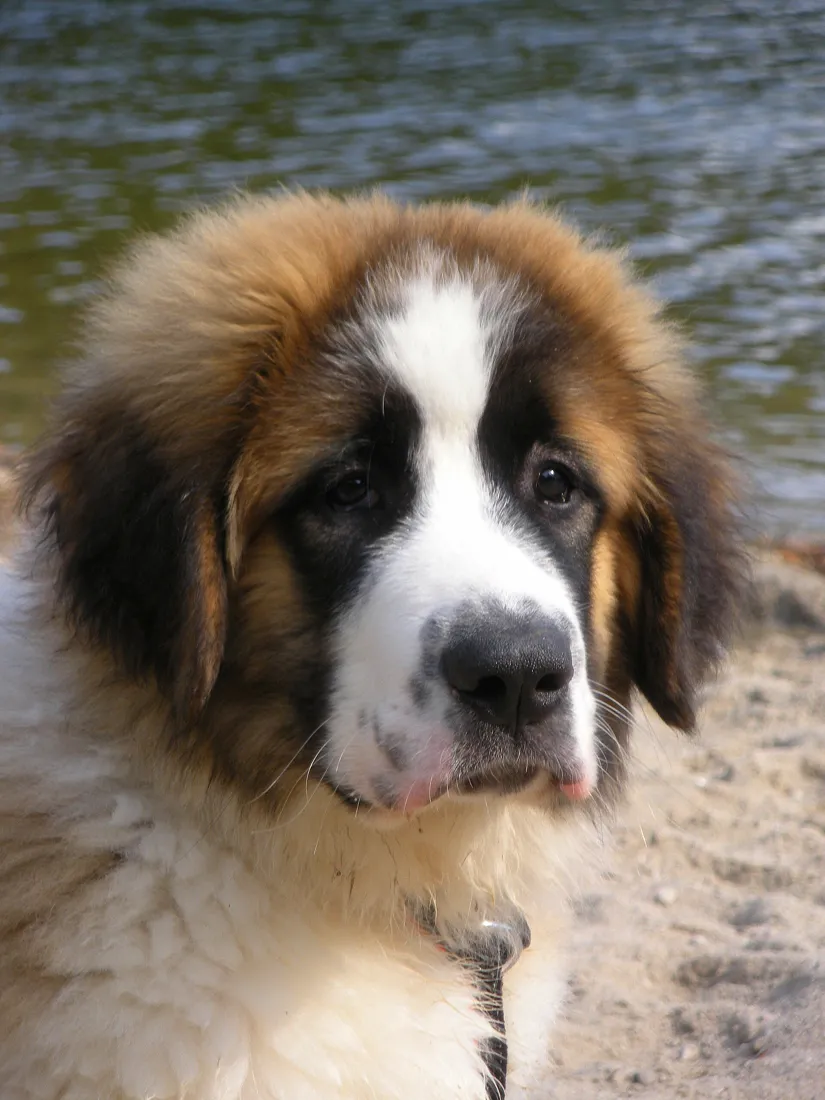

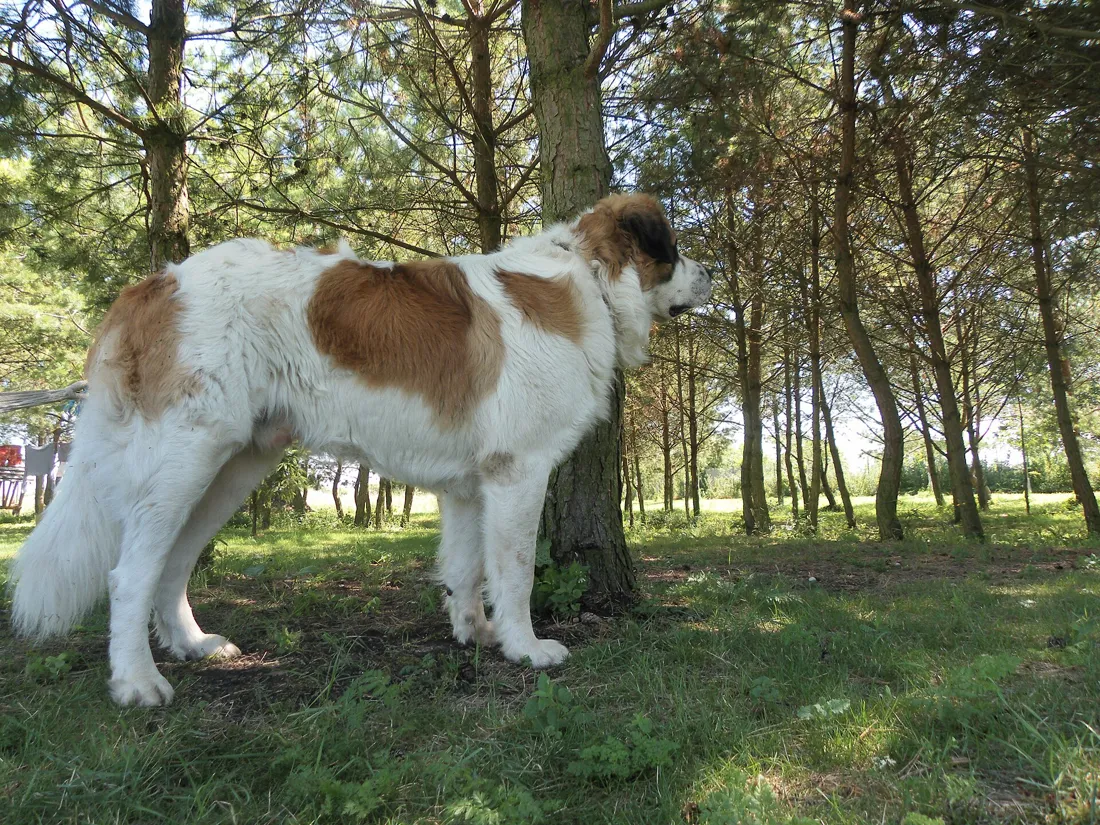

Photos show different individual dogs from licensed libraries, not one dog growing up. Stage labels are approximate, the way a careful editor would judge them.
About the Moscow Watchdog
From Russia, the Moscow Watchdog is a giant herding breed whose traditional work was to move sheep and cattle with eye, bark and body, working all day beside the shepherd or farmer. Herding breeds read their owners like weather. They need training, structure and a daily job, and they notice everything, including things you would rather they had not.
History
Bred in Russia to move sheep and cattle with eye, bark and body, working all day beside the shepherd or farmer, the Moscow Watchdog is a giant dog in the Non-Sporting group. The breed is registered at home rather than internationally, one reason numbers stay small outside its homeland. A typical life runs 7 to 10 years. The adult stands 28 to 31 in at the shoulder and weighs 99 to 121 lb.
Personality
The record's temperament line describes an eager herding dog; the depth sections are written from the real dog. The Moscow Watchdog, Moskovskaya Storozhevaya Sobaka, is the Soviet Union's purpose built watchdog, created at the Red Star kennel after the Second World War from Saint Bernard and Caucasian Shepherd crosses, engineered to combine the Saint's size and steadiness with the Caucasian's guarding instinct and a coat for Russian winters. Moscow Watchdogs are calm, confident and deeply family devoted, territorial by profession and notably more manageable in the city than their Caucasian parent. Puppies are enormous, steady charmers needing thorough socialisation; adults are dignified, formidable presences. Owners describe a dog of unusual balance: a gentle giant at home and a serious professional at the door.
Temperament and traits
Energy (5/5)
Trainability (5/5)
Grooming needs (3/5)
Shedding (3/5)
Barking (4/5)
Good with children: Good with children
With other dogs: Usually good with dogs
With strangers: Reserved with strangers
Apartment life: Not ideal
Coat and care
Coat: Thick, coarse double coat of medium to long length with a full mane and feathering, over a dense undercoat. It sheds heavily in season and needs regular deep brushing.
Colors: The standard accepts a range of colors and patterns, and individual markings vary a lot.
Feed to a visible waist tuck and weigh monthly; this breed does best on a routine of consistent meals, training in short sessions and daily exercise matched to its type. Brush weekly and check ears, teeth and nails as part of the routine. Mental work matters as much as miles: ten minutes of training tires a herding dog more honestly than an hour of aimless walking.
Exercise and grooming
Exercise
The record's figures describe a tireless herding athlete at sixty to one hundred twenty minutes with top train and energy scores, and an honesty note belongs here: the Moscow Watchdog, the Moskovskaya Storozhevaya, is a Soviet created guard breed, developed after the Second World War at the Red Star kennel by crossing Saint Bernard with Caucasian Shepherd to make a giant watchdog that could work in the Russian winter and live in the city. Real Moscow Watchdogs need a big guardian's programme: sixty to ninety minutes of steady walks, patrols and training, calm rather than frantic. Puppies need the slowest, gentlest loading while a giant frame matures over two years. Feed to a visible waist tuck and keep weight off the joints for life, in the spirit of the care notes.
Grooming
Brush weekly and check ears, teeth and nails as part of the routine, per the care notes, working through the thick red and white double coat properly; daily brushing carries the household through the two big seasonal blows. Never shave the double coat. Mental work matters as much as miles in the notes' herding frame; for this guardian, calm structure is the mental work. Ears take regular checks, nails need trims built as cooperative care from puppyhood before the strength arrives, and teeth benefit from brushing. Drool is household routine. Puppies need coat care habituation from the start.
Training and daily life
Training
The record's top train score does not describe this breed's reality: Moscow Watchdogs are intelligent and learn household and guarding routines thoroughly, but they are independent guardians, not obedience athletes, and their responses are delivered by conviction. Training means early, extensive socialisation so suspicion becomes judgement, calm handling with firm boundaries, lead manners before the strength arrives, a settle, reliable positions at home, and visitor protocols that keep everyone relaxed. This is an experienced owner's breed, and this page says so plainly.
Living with a Moscow Watchdog
The Moscow Watchdog suits experienced households with space and secure ground that want a genuine city capable giant guardian: the record's herding ratings (top train and energy scores, merely reserved strangers) are flagged in the log as template error. Real Moscow Watchdogs are calm, confident and deeply devoted with their own families, famously gentle with their households by the breed's design, and serious territorial watchdogs with everyone else. It rates apartments as not ideal despite its city brief, because 110 pounds needs room. Owners describe a dog of unusual balance: the Soviet answer to a Saint Bernard that also guards, calm in the home and absolute at the gate.
What a Moscow Watchdog costs
Food cost
About $59 per month for a typical 110 lb adult eating roughly 5.5 cups a day of a standard quality food ($1.60 per lb). Full breakdown in our food expense calculator.
Activity and exercise
Plan 60 to 120 minutes a day of walks, play and training. Under exercised dogs of most breeds invent their own projects, and they rarely pick good ones.
Insurance cost
Typical US range $57 to $102 per month for accident and illness cover. Estimate only, based on market ranges for this breed's risk profile; see the insurance estimator and the insurance guide.
On the monthly figures above, a typical adult year runs to about $711 for food and $684 to $1,224 for insurance, before routine vet care, grooming and gear. Year one costs more: vaccinations, spay or neuter surgery, a crate, bedding and training all land at once.
Growth: puppy to senior
How weight typically builds with age for a giant breed, and when full size arrives.
| Stage | Age | Typical weight |
|---|---|---|
| Puppy | 8 weeks | about 10 to 12 lb |
| Puppy | 4 months | about 24 to 29 lb |
| Puppy | 6 months | about 42 to 51 lb |
| Young | 9 months | about 59 to 73 lb |
| Young | 12 months | about 74 to 91 lb |
| Adult | 18 months | about 87 to 106 lb |
| Adult | 24 months | about 99 to 121 lb |
| Adult | Full grown | 99 to 121 lb (standard range) |
| Senior | From about 5 to 6 years | Healthy weight stays in the adult range; watch for slow gain or loss |
Growth pattern follows the size class growth curves published by the Waltham Petcare Science Institute, applied to the adult weight range in the breed standard. Individual puppies vary; steady growth matters more than hitting any single number, and your vet's growth checks come first.
Life stages
Puppies need wide, controlled socialisation and the giant's growth protocol: measured food, minimal jumping and time across two years. Adolescents are giants with young minds and growing guard instinct, and secure fencing plus calm, experienced handling carries the property through. Adults enjoy a calm, majestic prime on the giant's shorter clock: seven to ten years. Keep weight at a visible tuck and duties real. Senior status arrives around six to seven: twice yearly checks, ramps for vehicles and joint friendly exercise. Old Moscow Watchdogs remain devoted, dignified and watchful.
Health
Bloat (gastric dilatation volvulus) is the emergency every owner of a big, deep chested dog should know the signs of. Hip screening is the other essential check at this size, and keeping the dog lean protects every joint it owns.
Conditions to know about
- Bloat (gastric dilatation volvulus): Bloat is the emergency every owner of a big, deep chested dog should know the signs of, in the record's words. Know the signs, feed calm measured meals and treat a swollen, restless abdomen as a race to the vet.
- Hip dysplasia: Hip screening is the other essential check at this size, per the record. Ask for scores in writing, and manage growth slow and lean across two years of maturing.
- Weight management: Keeping the dog lean protects every joint it owns, per the record. Feed to a visible waist tuck and weigh monthly, exactly as the care notes direct. At 99 to 121 pounds on a seven to ten year clock, joint care is the longevity plan.
Facts follow the Moscow Watchdog breed standard (AKC, The Kennel Club and FCI standards agree on the essentials for this breed). Health notes summarize the conditions breed clubs and veterinary bodies most often flag for this breed. They are general information for choosing and caring, not a diagnosis or a substitute for your vet.
Gear for Moscow Watchdog owners
Our team is hands on testing products for this guide right now. Recommendations will only appear here after real testing, and this module will always carry a plain affiliate disclosure at the top.
Moscow Watchdog questions
How long do Moscow Watchdogs live?
A typical lifespan is 7 to 10 years. Weight control, dental care and screening for the breed's known conditions give a dog the best chance of reaching the top of that range.
How much does it cost to keep a Moscow Watchdog?
Food for a typical adult runs about $59 a month at a standard quality tier, and accident and illness insurance usually falls between $57 and $102 a month in the US. Try the full cost calculator for a complete year one and yearly picture.
Are Moscow Watchdogs good with children?
Good with children. As with every breed, supervise dogs and children together and teach children to respect the dog's space.
How much exercise does a Moscow Watchdog need?
Plan on 60 to 120 minutes a day, split between walks, play and training games. Puppies and seniors need gentler, shorter sessions.
Why was the Moscow Watchdog created?
Post war necessity: the Soviet Union needed large guard dogs after 1945 and rebuilt its kennels at the Red Star school, crossing Saint Bernard with Caucasian Shepherd (with hound in some lines) to combine size, coat, guarding instinct and a calmer city temperament.
Moscow Watchdog or Saint Bernard, what is the difference?
Half family: the Moscow Watchdog carries Saint Bernard blood but adds the Caucasian Shepherd's guarding suspicion and territorial instinct. It is the more serious, watchful dog, bred as a watchdog rather than an alpine rescue companion.
Are Moscow Watchdogs good family dogs?
For experienced households with space, devoted ones: famously calm and gentle with their own families by design. Their guarding instinct, size and seven to ten year span make them a serious commitment.
Breeds similar to the Moscow Watchdog Compare this breed with another