Löwchen
Charming, sociable, bright and comfort loving. From Europe, possibly France in particular.
Non-Sportingsmall breedEurope, possibly France in particularStandards checked
Standards checked: this profile's facts are checked against the breed standards of the AKC, The Kennel Club and the FCI, as described on our methodology page.
Gallery
Real photos from licensed sources only, each credited to its creator.


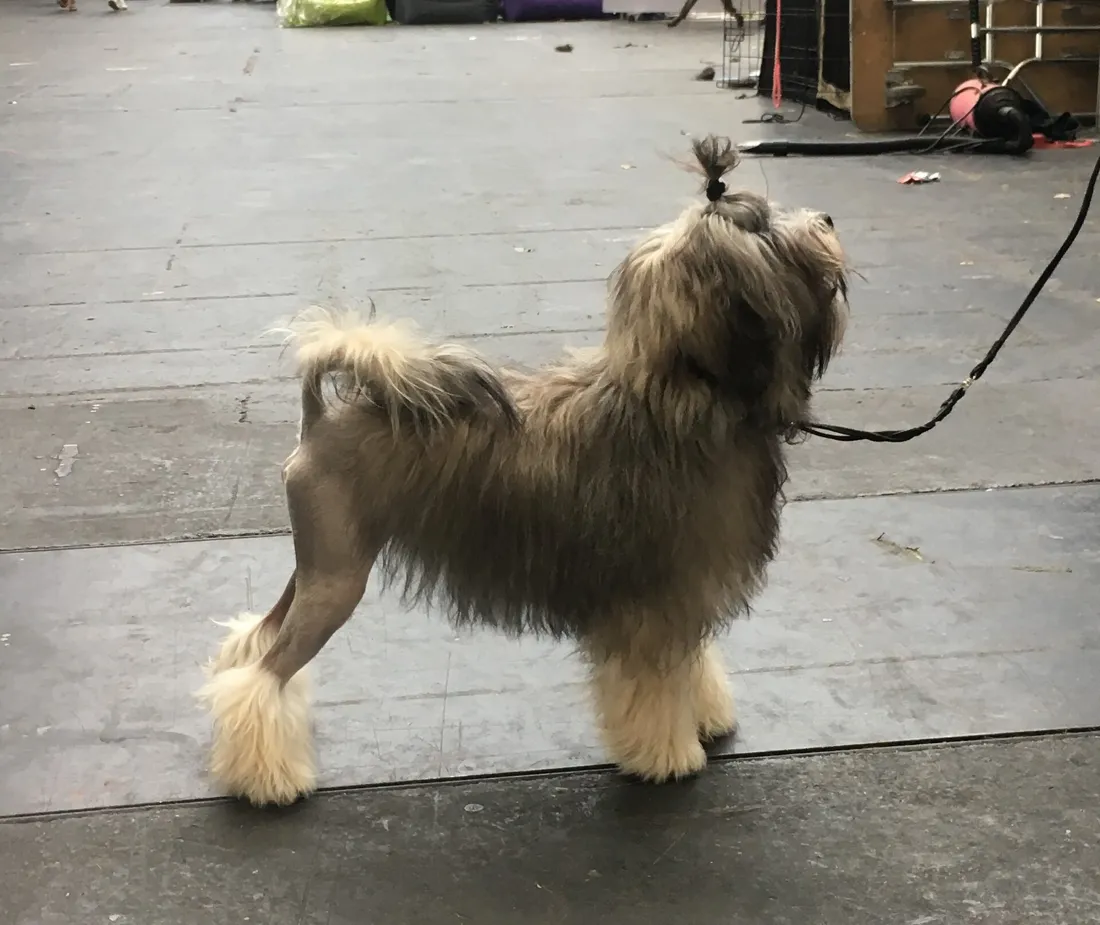

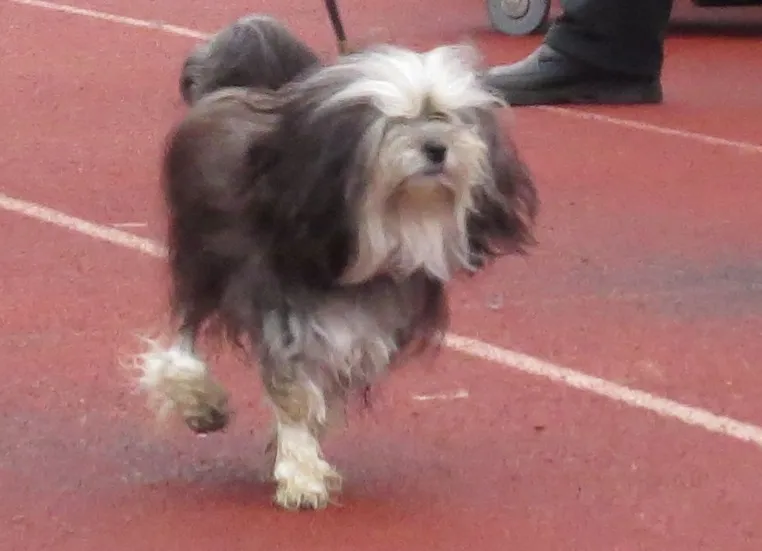

Photos show different individual dogs from licensed libraries, not one dog growing up. Stage labels are approximate, the way a careful editor would judge them.
About the Löwchen
Europe, possibly France in particular produced the Löwchen, a small companion breed bred to be close company for people, a role dogs have filled for thousands of years. This breed's whole job description is you. In return for company and gentle training you get a shadow who would not dream of being anywhere else.
History
Löwchen (Europe, possibly France in particular) is a small companion breed whose work was to be close company for people, a role dogs have filled for thousands of years. The breed holds AKC recognition, so its standard is set in the United States as well as in its homeland. It is described as charming, sociable, bright and comfort loving. The adult stands 12 to 14 in at the shoulder and weighs 10 to 18 lb.
Personality
Charming, sociable, bright and comfort loving is the record's Lowchen, the little lion dog: a companion of European courts for centuries, clipped to resemble a lion and kept as a living emblem of courage at lapdog scale. Lowchens are cheerful, affectionate and surprisingly robust, with more spirit and athleticism than the salon styling suggests. They bond completely and shadow their people with wagging devotion, per the overview's promise. Puppies are bright, silky charmers; adults are funny, devoted companions that greet the world like a small, friendly court. Owners describe a dog with a lion's confidence and a clown's timing, in a coat that starts conversations everywhere.
Temperament and traits
Energy (3/5)
Trainability (3/5)
Grooming needs (3/5)
Shedding (3/5)
Barking (3/5)
Good with children: Good with children
With other dogs: Good with dogs
With strangers: Friendly with strangers
Apartment life: Well suited
Coat and care
Coat: Long, wavy, silky and dense coat, traditionally clipped in a lion trim with a clipped rear and a plumed tail. It sheds very little but mats without regular combing.
Colors: The standard accepts a range of colors and patterns, and individual markings vary a lot.
Measure meals rather than free feeding; this breed does best on a routine of consistent meals, training in short sessions and daily exercise matched to its type. Brush weekly and check ears, teeth and nails as part of the routine. Small mouths crowd teeth, so dental care starts early and stays daily. Small dogs also chill fast: coats in winter are kindness, not costume.
Exercise and grooming
Exercise
Thirty to forty five minutes a day of walks and play covers the Lowchen's exercise, with spirit: the little lion dog is a genuine athlete among companion breeds, enjoying real walks, games and training rather than pure lap duty. Indoor play and garden patrols count toward the total. Puppies need the usual toy precautions around furniture heights, though this is a sturdy, well built small dog rather than a fragile one. Alone time matters more than miles for this breed: company is the requirement exercise cannot substitute. A Lowchen with its walks and its people is a cheerful, sparkling companion; one left lonely is a small lion with a loud opinion about it.
Grooming
Brush weekly and check ears, teeth and nails as part of the routine, per the care notes, combing through the long, silky single coat so it does not tangle, especially behind ears and in the furnishings. The traditional lion clip is optional: most pets wear an even, practical cut refreshed every six to eight weeks. Small mouths crowd teeth, so dental care starts early and stays daily in this breed's guidance, and the dental item plus nail care dominate the real maintenance list. Warmth in winter matters for a small, clipped dog. Puppies need kind table and tooth habits from the start.
Training and daily life
Training
Lowchens are bright and learn quickly with reward based training in short, frequent sessions, and the breed's cheerful willingness makes it one of the easier companion dogs to educate. Priorities are housetraining with routine, a quiet cue, recall, polite greetings, a settle, and cooperative care for teeth, nails and the grooming table, which fill this breed's calendar. Socialise gently and widely so the friendliness matures with manners. Harsh corrections are pointless and counterproductive; clarity, warmth and food rewards produce a polished, portable companion. Many Lowchens enjoy trick training and rally, which suit their showman hearts.
Living with a Löwchen
The Lowchen suits households that want a rare, cheerful companion with a lion's wardrobe and a performer's heart. Charming, sociable and bright in the record's ratings, good with children, good with other dogs and friendly with strangers, it rates flats as well suited with exercise genuinely delivered. This breed's whole job description is you, per the overview: in return for company and gentle training you get a shadow who would not dream of being anywhere else. Expect sparkle, devotion and a small dog that entertains the household professionally. For owners wanting history, rarity and joy in fourteen pounds, the little lion dog is a treasure.
What a Löwchen costs
Food cost
About $13 per month for a typical 14 lb adult eating roughly 1.2 cups a day of a standard quality food ($1.60 per lb). Full breakdown in our food expense calculator.
Activity and exercise
Plan 30 to 45 minutes a day of walks, play and training. Under exercised dogs of most breeds invent their own projects, and they rarely pick good ones.
Insurance cost
Typical US range $29 to $54 per month for accident and illness cover. Estimate only, based on market ranges for this breed's risk profile; see the insurance estimator and the insurance guide.
On the monthly figures above, a typical adult year runs to about $151 for food and $348 to $648 for insurance, before routine vet care, grooming and gear. Year one costs more: vaccinations, spay or neuter surgery, a crate, bedding and training all land at once.
Growth: puppy to senior
How weight typically builds with age for a small breed, and when full size arrives.
| Stage | Age | Typical weight |
|---|---|---|
| Puppy | 8 weeks | about 2 to 3 lb |
| Puppy | 4 months | about 4 to 7 lb |
| Young | 6 months | about 6 to 10 lb |
| Young | 9 months | about 8 to 14 lb |
| Adult | 12 months | about 9 to 17 lb |
| Adult | Full grown | 10 to 18 lb (standard range) |
| Senior | From about 10 years | Healthy weight stays in the adult range; watch for slow gain or loss |
Growth pattern follows the size class growth curves published by the Waltham Petcare Science Institute, applied to the adult weight range in the breed standard. Individual puppies vary; steady growth matters more than hitting any single number, and your vet's growth checks come first.
Life stages
Puppies need socialisation, gentle handling habituation for a lifetime of coat care, early tooth habits and housetraining with a patient routine. Adolescents are busy and charming, and games plus consistency carry the household through. Adults enjoy a long, companionable prime: keep teeth brushed, coat combed through and weight watched. Thirteen to fifteen years puts senior status around ten to eleven: twice yearly checks with dental priority, gentle walks and warm beds. Old Lowchens stay bright, devoted and throne committed to the end.
Health
Hip, eye and patella checks, appropriate to the breed's size and type, are the screenings responsible breeders use. Ask to see certificates for both parents before committing to a puppy.
Conditions to know about
- Patellar luxation: Patella checks are part of the screenings responsible breeders use for the breed, per the record. Slipping kneecaps are the classic small dog issue; a skipping gait deserves assessment.
- Eye conditions: Eye checks join the screening trio named in the record. Ask to see certificates for both parents before committing to a puppy.
- Hip checks: Hip checks, appropriate to the breed's size and type, complete the record's trio. In small dogs they concern the small joints broadly; ask what your breeder screens for.
- Dental disease: Small mouths crowd teeth, per the care guidance, and companion breeds live long enough for teeth to matter enormously. Daily brushing from puppyhood is the cheapest protection available.
Facts follow the Löwchen breed standard (AKC, The Kennel Club and FCI standards agree on the essentials for this breed). Health notes summarize the conditions breed clubs and veterinary bodies most often flag for this breed. They are general information for choosing and caring, not a diagnosis or a substitute for your vet.
Gear for Löwchen owners
Our team is hands on testing products for this guide right now. Recommendations will only appear here after real testing, and this module will always carry a plain affiliate disclosure at the top.
Löwchen questions
How long do Löwchens live?
A typical lifespan is 13 to 15 years. Weight control, dental care and screening for the breed's known conditions give a dog the best chance of reaching the top of that range.
How much does it cost to keep a Löwchen?
Food for a typical adult runs about $13 a month at a standard quality tier, and accident and illness insurance usually falls between $29 and $54 a month in the US. Try the full cost calculator for a complete year one and yearly picture.
Are Löwchens good with children?
Good with children. As with every breed, supervise dogs and children together and teach children to respect the dog's space.
How much exercise does a Löwchen need?
Plan on 30 to 45 minutes a day, split between walks, play and training games. Puppies and seniors need gentler, shorter sessions.
Why is the Lowchen clipped like a lion?
The traditional clip, shaved hindquarters with a mane, tail plume and bracelet paws, dates back centuries and gave the breed its name: Lowchen means little lion in German. Pet Lowchens often wear simpler, even clips.
Are Lowchens rare?
Yes: once among the rarest breeds in the world, saved by devoted breeders in the twentieth century. Expect a search and a wait for puppies.
Do Lowchens shed?
Very little: the long, silky coat sheds minimally, which is why the bill is paid in brushing and clipping instead. Weekly combing through keeps the coat tangle free.
Breeds similar to the Löwchen Compare this breed with another