Lhasa Apso
Charming, sociable, bright and comfort loving. From Tibet.
Non-Sportingsmall breedTibetStandards checked
Standards checked: this profile's facts are checked against the breed standards of the AKC, The Kennel Club and the FCI, as described on our methodology page.
Gallery
Real photos from licensed sources only, each credited to its creator.


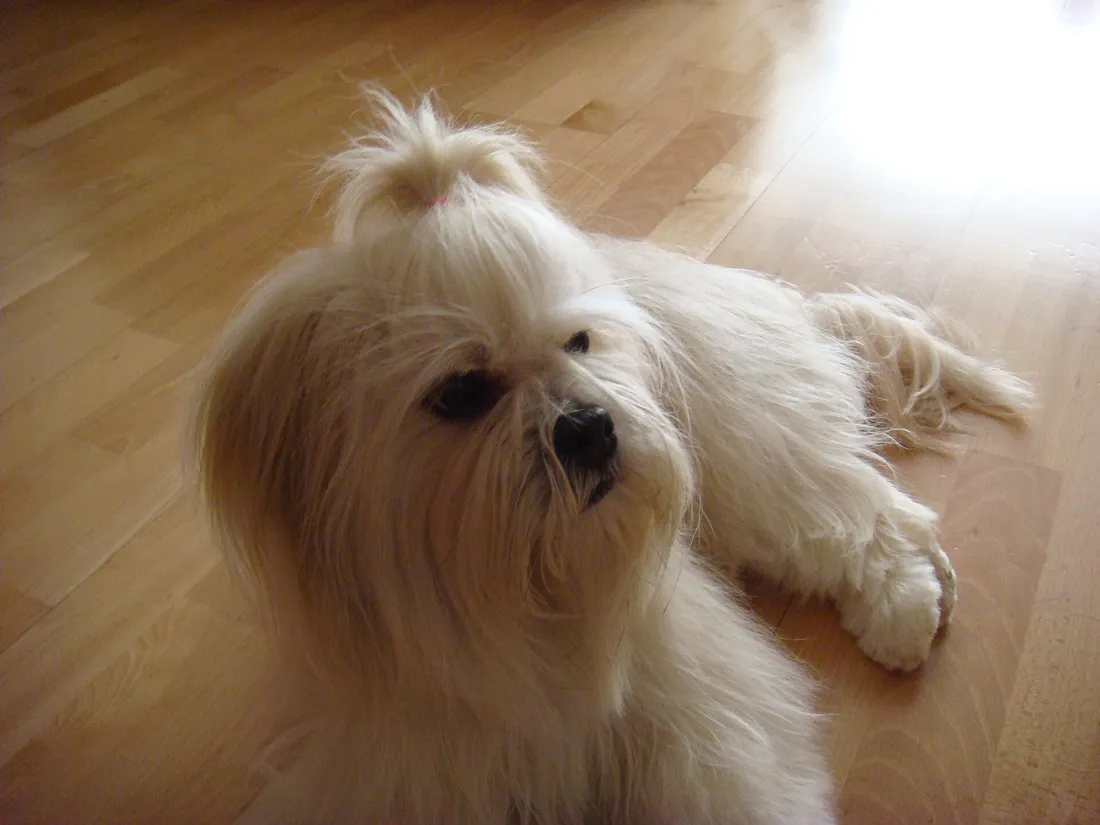


Photos show different individual dogs from licensed libraries, not one dog growing up. Stage labels are approximate, the way a careful editor would judge them.
About the Lhasa Apso
Tibet produced the Lhasa Apso, a small companion breed bred to be close company for people, a role dogs have filled for thousands of years. Companion breeds bond completely and hate long hours alone; they suit homes where the dog is part of the daily routine, not an accessory to it.
History
Companion and toy dogs are as old as wealth itself: little dogs appear in art and graves from ancient Egypt and China to the courts of Europe. The AKC recognizes the breed today, and its standard is the reference most US breeders work to.
Personality
Charming, sociable, bright and comfort loving, with a lion's dignity scaled to fifteen pounds: the Lhasa Apso spent a thousand years as the inner sentinel of Tibetan monasteries, a dog bred to be alert, self possessed and deeply bonded to a small circle of people. Lhasas are famously cat like in their independence, choosing their moments of affection, keeping their own counsel and then appearing, without announcement, exactly where the company is. Puppies are comical and bold; adults are serene, watchful companions with a dry wit and an ancient calm. Strangers get assessment before friendship, family gets devotion, and the door gets a professional announcement service.
Temperament and traits
Energy (4/5)
Trainability (3/5)
Grooming needs (4/5)
Shedding (3/5)
Barking (3/5)
Good with children: Good with children
With other dogs: Good with dogs
With strangers: Friendly with strangers
Apartment life: With enough exercise
Coat and care
Coat: A long coat with feathering on the legs, tail and chest.
Colors: Standard colors: black, red, dark grizzle, golden, honey, parti-color, sandy, slate, smoke or white.
Measure meals rather than free feeding; this breed does best on a routine of consistent meals, training in short sessions and daily exercise matched to its type. Long coats need brushing two or three times a week, and daily attention in mud and burr season. Small mouths crowd teeth, so dental care starts early and stays daily. Small dogs also chill fast: coats in winter are kindness, not costume.
Exercise and grooming
Exercise
Thirty to forty five minutes a day of walks and play satisfies most Lhasas, who are livelier and hardier than the ornamental coat suggests: this breed guarded Tibetan monasteries and is built for mountain air at house dog scale. Indoor play and training games count on wet days, and the long coat picks up the weather, so post walk comb outs are part of the exercise routine. Puppies play in bursts. Companion breeds bond completely and hate long hours alone, per the overview, so exercise doubles as the together time this breed runs on. A Lhasa with its walks and company paid is a charming, settled house dog with a sentinel's ear for the door.
Grooming
Long coats need brushing two or three times a week, and daily attention in mud and burr season, exactly as the care notes direct, working the long, heavy coat through in sections so it parts cleanly and does not felt underneath. Many pets wear a practical puppy clip that keeps the silhouette and drops the workload. The coat catches weather, so legs and belly get rinsed and dried after wet walks. Small mouths crowd teeth, so dental care starts early and stays daily in this breed's guidance. Add ear checks under all that hair, nail trims and gentle eye wiping, and start the routine in puppyhood: Lhasa coat care is a weekly ritual the dog should enjoy.
Training and daily life
Training
Lhasas are intelligent and perfectly trainable by owners who offer respect, clarity and rewards rather than orders: this breed famously decides whether a request is reasonable, and a fair handler usually wins the argument. Keep sessions short and interesting. Priorities are housetraining with routine, recall, polite greetings, a settle, and cooperative care for grooming and teeth, which fill the Lhasa diary. Socialise widely so the sentinel instinct matures into judgement. Harsh methods simply end the conversation with a dog bred to answer to abbots, not drill sergeants. Owners who appreciate the breed's dignity get a mannerly, amusing and deeply devoted companion.
Living with a Lhasa Apso
The Lhasa suits calm, companionable households that want a small dog with a big dog's dignity and self possession. Charming, sociable and bright in the record's words, good with children and other dogs and friendly with strangers once introduced, it rates flats as fine with the exercise delivered, and it brings a watchdog's ear to any home. Companion breeds bond completely and hate long hours alone, says the overview, and the Lhasa is no exception: it suits homes where the dog is part of the daily routine, not an accessory. Expect independence, humour, a glorious coat and a small lion that regards itself, correctly, as the senior partner in the arrangement.
What a Lhasa Apso costs
Food cost
About $13 per month for a typical 15 lb adult eating roughly 1.2 cups a day of a standard quality food ($1.60 per lb). Full breakdown in our food expense calculator.
Activity and exercise
Plan 30 to 45 minutes a day of walks, play and training. Under exercised dogs of most breeds invent their own projects, and they rarely pick good ones.
Insurance cost
Typical US range $30 to $57 per month for accident and illness cover. Estimate only, based on market ranges for this breed's risk profile; see the insurance estimator and the insurance guide.
On the monthly figures above, a typical adult year runs to about $159 for food and $360 to $684 for insurance, before routine vet care, grooming and gear. Year one costs more: vaccinations, spay or neuter surgery, a crate, bedding and training all land at once.
Growth: puppy to senior
How weight typically builds with age for a small breed, and when full size arrives.
| Stage | Age | Typical weight |
|---|---|---|
| Puppy | 8 weeks | about 2 to 3 lb |
| Puppy | 4 months | about 5 to 7 lb |
| Young | 6 months | about 7 to 10 lb |
| Young | 9 months | about 9 to 14 lb |
| Adult | 12 months | about 11 to 17 lb |
| Adult | Full grown | 12 to 18 lb (standard range) |
| Senior | From about 10 years | Healthy weight stays in the adult range; watch for slow gain or loss |
Growth pattern follows the size class growth curves published by the Waltham Petcare Science Institute, applied to the adult weight range in the breed standard. Individual puppies vary; steady growth matters more than hitting any single number, and your vet's growth checks come first.
Life stages
Puppies need socialisation, grooming habituation for a lifetime coat, tooth habits started early and housetraining routine. Adolescents are opinionated, and consistent kindness carries the household through. Adults enjoy a long, robust prime: keep the coat worked through, teeth brushed and weight lean. Twelve to fifteen years puts senior status around ten to eleven: twice yearly checks with kidney awareness, eye attention and joint friendly walks. Old Lhasas remain dignified, watchful and comfort loving, presiding over their households with undiminished authority.
Health
Kidney disease (familial renal dysplasia) is the serious flag in Lhasas, alongside eye conditions and patellar luxation. Ask breeders about kidney history directly. Ask to see health test results for both parents before you commit to a puppy; a good breeder will offer them before you ask.
Conditions to know about
- Familial renal dysplasia (kidney disease): The serious flag in Lhasas, stated directly in the record: a hereditary kidney malformation. Ask breeders about kidney history directly, because family history is the main evidence available, and be wary of breeders who will not discuss it.
- Eye conditions: Eye conditions are the second named area of Lhasa health. Ask for screening results where available and raise any eye change promptly in a breed with prominent eyes under a heavy fall of hair.
- Patellar luxation: Completes the named panel: the slipping kneecap of small breeds, screened in breeding dogs. A skipping gait deserves assessment.
- Dental disease: Small mouths crowd teeth, per the care guidance, and Lhasa mouths are no exception. Daily brushing and planned dental care protect the dog from its most predictable everyday health cost.
Facts follow the Lhasa Apso breed standard (AKC, The Kennel Club and FCI standards agree on the essentials for this breed). Health notes summarize the conditions breed clubs and veterinary bodies most often flag for this breed. They are general information for choosing and caring, not a diagnosis or a substitute for your vet.
Gear for Lhasa Apso owners
Our team is hands on testing products for this guide right now. Recommendations will only appear here after real testing, and this module will always carry a plain affiliate disclosure at the top.
Lhasa Apso questions
How long do Lhasa Apsos live?
A typical lifespan is 12 to 15 years. Weight control, dental care and screening for the breed's known conditions give a dog the best chance of reaching the top of that range.
How much does it cost to keep a Lhasa Apso?
Food for a typical adult runs about $13 a month at a standard quality tier, and accident and illness insurance usually falls between $30 and $57 a month in the US. Try the full cost calculator for a complete year one and yearly picture.
Are Lhasa Apsos good with children?
Good with children. As with every breed, supervise dogs and children together and teach children to respect the dog's space.
How much exercise does a Lhasa Apso need?
Plan on 30 to 45 minutes a day, split between walks, play and training games. Puppies and seniors need gentler, shorter sessions.
Were Lhasa Apsos really monastery guards?
Yes: they were the inner sentinels of Tibetan monasteries and palaces, barking alerts while the Mastiffs handled the outside. The watchfulness and the dignity both survive intact in the modern house dog.
Do Lhasa Apsos shed?
Very little. The long coat grows and is combed out rather than shedding around the house, which is why the grooming is a standing routine rather than a seasonal event.
Are Lhasas good with children?
The profile says good with children, and they suit calm, respectful kids best. Lhasas are dignified small dogs that appreciate being handled properly rather than carried about.