Home / Breeds / Labrador Retriever
Labrador Retriever
Outgoing, eager, gentle and famously good natured. From Newfoundland, Canada, developed in the United Kingdom.
Sportinglarge breedNewfoundland, Canada, developed in the United KingdomStandards checked
Standards checked: this profile's facts are checked against the breed standards of the AKC, The Kennel Club and the FCI, as described on our methodology page.
Gallery
Real photos from licensed sources only, each credited to its creator.



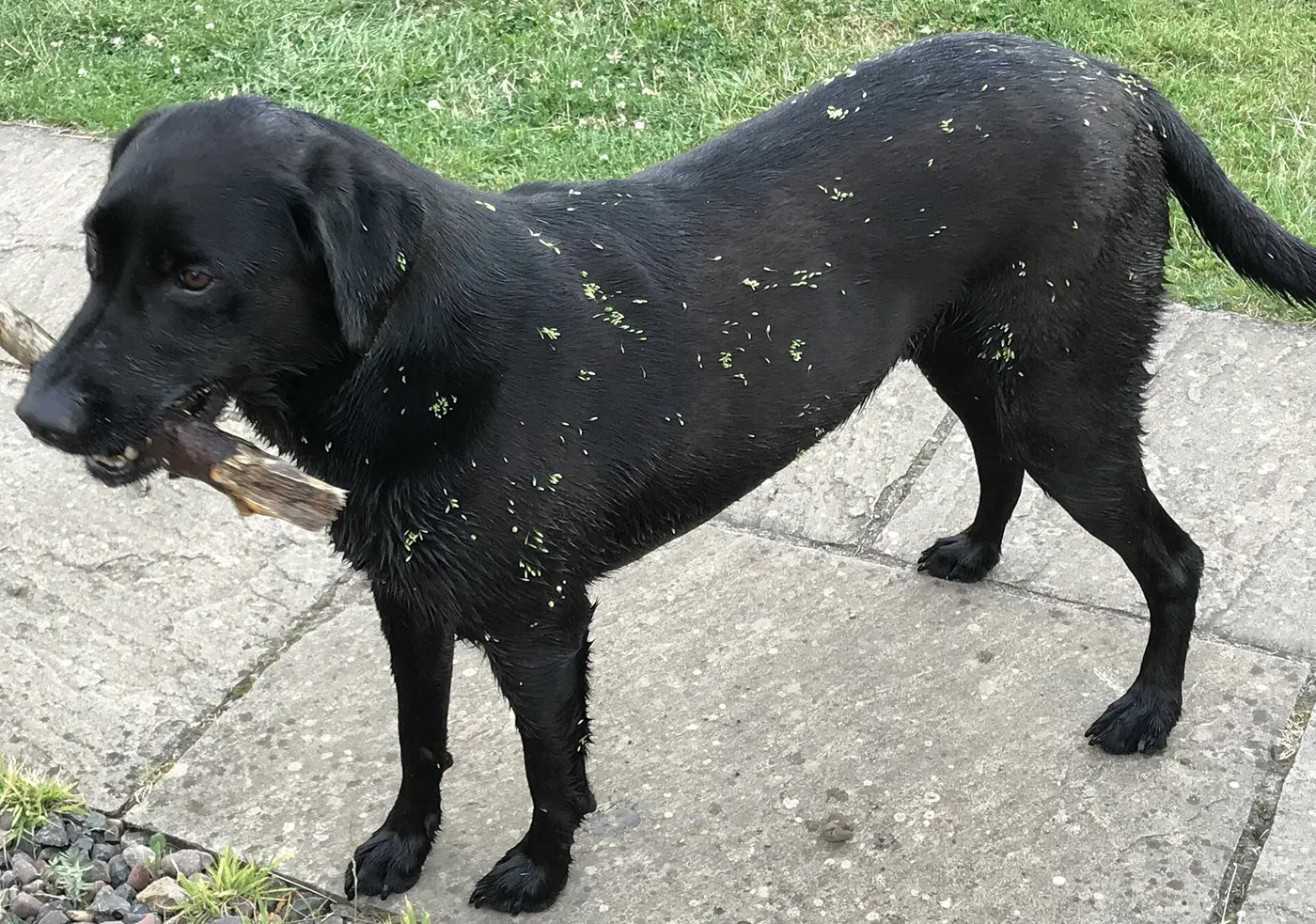

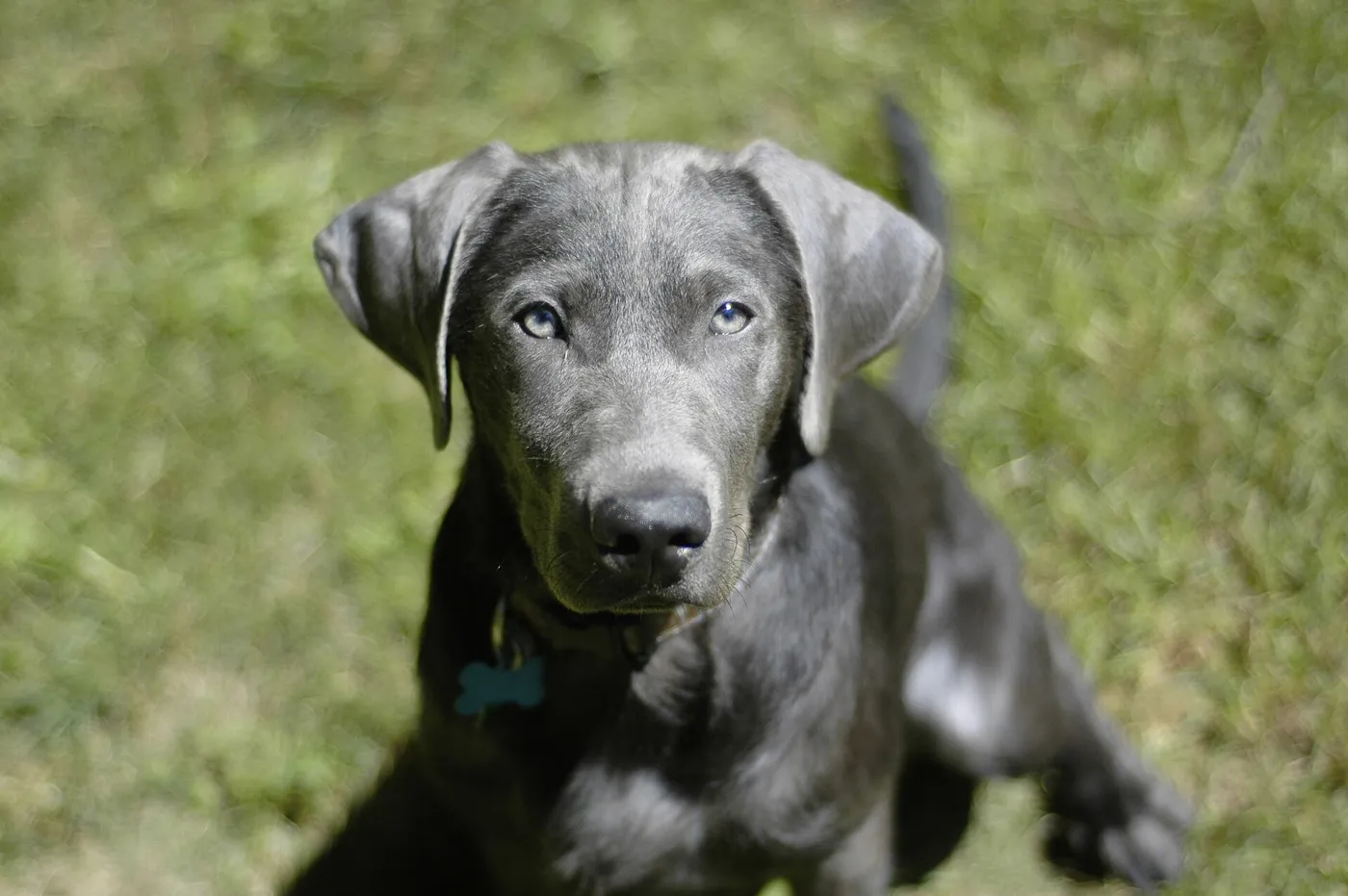

Photos show different individual dogs from licensed libraries, not one dog growing up. Stage labels are approximate, the way a careful editor would judge them.
About the Labrador Retriever
The Labrador is the world's most popular family dog for good reason: friendly, trainable and up for anything involving water, balls or people. Young Labs are boisterous and need real exercise and training, and the breed's love of food makes weight control a lifelong job.
History
The breed began as the St. John's water dog in Newfoundland, helping fishermen haul nets and lines. British aristocrats imported the dogs in the 1800s and refined them into the retrieving gundog we know today.
Personality
The Labrador temperament is the reason the breed tops popularity lists on several continents: outgoing, generous and almost impossible to offend. A Lab assumes every person is a friend it has not met yet and every dog is a playmate in waiting. Underneath the bounce sits a genuinely biddable working dog that wants a job in the family, whether that is retrieving, hiking or learning tricks for applause. Young Labradors are famously boisterous and mouthy, and the calm, steady adult dog of reputation is earned through two or three years of training, exercise and patience. Few breeds read human moods as kindly or forgive a chaotic household as easily.
Temperament and traits
Energy (5/5)
Trainability (5/5)
Grooming needs (3/5)
Shedding (5/5)
Barking (3/5)
Good with children: Good with children
With other dogs: Good with dogs
With strangers: Friendly with strangers
Apartment life: With enough exercise
Coat and care
Coat: Short, thick, weatherproof double coat that sheds heavily.
Colors: Black, yellow and chocolate, all solid.
A Lab's double coat needs a weekly brush and sheds in waves twice a year. Measure food carefully and count treats: many Labs carry a gene variant that makes them feel hungry all the time.
Exercise and grooming
Exercise
Budget 60 to 120 minutes a day for an adult, and make much of it active: retrieving games, swimming, hill walks and training drills rather than a slow lap of the block. The breed was built to work in cold water, and most Labs swim with joy, so a safe lake or dog beach is the best gym there is. Mental work counts too, and ten minutes of scent games tires a Lab in a different way than running. Growing puppies need the opposite care: short, frequent play on soft ground, limited stairs and no forced running, because growth plates in a large, fast growing breed are easily damaged by overdoing it.
Grooming
The double coat is weatherproof and hardworking, and it sheds accordingly: a firm weekly brush keeps on top of it, and during the spring and autumn coat blows expect daily brushing and hair on every surface. Use a slicker brush and an undercoat rake, and never shave the coat down, because the double layer insulates against both cold water and heat. Baths are for when the dog has rolled in something unspeakable, which Labradors do with enthusiasm; rinse mud off and dry the ears carefully after swims, since water loving dogs pick up ear infections. Nails and teeth need the usual weekly attention.
Training and daily life
Training
Labradors sit near the top of the trainability scale and learn fast in both directions, so the household rules taught in the first month are the ones the dog will test for years. Food motivation makes reward training easy, and the breed excels at gundog work, scent games and assistance tasks. The challenges are youthful ones: jumping up to greet, pulling towards every dog, stealing food and mouthing hands and sleeves. Short daily sessions, a solid recall proofed against distractions and a place command for mealtimes build the steady adult. Adolescence, roughly six to eighteen months, is when training feels like it falls apart; it does not, it just needs repeating.
Living with a Labrador Retriever
A Labrador fits family life like it was designed for it, because it was: patient with children, friendly with dogs and visitors, and happiest in the middle of whatever is happening. The trade offs are size, energy and mud. A young Lab in a small flat without enough exercise will chew, bounce and redecorate, while the same dog with two good outings a day settles beautifully. Expect wet, muddy paws, a tail that clears coffee tables and hair in the upholstery. They bark at arrivals but welcome burglars socially, so look elsewhere for a guard dog. First time owners who are active and consistent do very well with this breed.
What a Labrador Retriever costs
Food cost
About $41 per month for a typical 68 lb adult eating roughly 3.9 cups a day of a standard quality food ($1.60 per lb). Full breakdown in our food expense calculator.
Activity and exercise
Plan 60 to 120 minutes a day of walks, play and training. Under exercised dogs of most breeds invent their own projects, and they rarely pick good ones.
Insurance cost
Typical US range $38 to $65 per month for accident and illness cover. Estimate only, based on market ranges for this breed's risk profile; see the insurance estimator and the insurance guide.
On the monthly figures above, a typical adult year runs to about $495 for food and $456 to $780 for insurance, before routine vet care, grooming and gear. Year one costs more: vaccinations, spay or neuter surgery, a crate, bedding and training all land at once.
Growth: puppy to senior
How weight typically builds with age for a large breed, and when full size arrives.
| Stage | Age | Typical weight |
|---|---|---|
| Puppy | 8 weeks | about 7 to 10 lb |
| Puppy | 4 months | about 15 to 22 lb |
| Puppy | 6 months | about 26 to 38 lb |
| Young | 9 months | about 37 to 54 lb |
| Young | 12 months | about 45 to 66 lb |
| Adult | 18 months | about 52 to 76 lb |
| Adult | 24 months | about 55 to 80 lb |
| Adult | Full grown | 55 to 80 lb (standard range) |
| Senior | From about 7 years | Healthy weight stays in the adult range; watch for slow gain or loss |
Growth pattern follows the size class growth curves published by the Waltham Petcare Science Institute, applied to the adult weight range in the breed standard. Individual puppies vary; steady growth matters more than hitting any single number, and your vet's growth checks come first.
Life stages
Puppyhood is about bones and brains: feed a measured large breed puppy diet, keep weight lean enough to feel ribs easily, and put effort into socialisation and training classes while the brain is soaking things up. Growth plates close towards eighteen months, and exercise can build up gradually to full adult levels. The adult years are the sporting prime, and the main health job is resisting the famous appetite; a lean Lab lives measurably longer than a fat one. From about seven to eight years, seniors slow down: keep swimming and sniffy walks going, switch to joint friendly routines, and use twice yearly vet checks to catch weight drift and lumps early.
Health
Hip and elbow dysplasia, exercise induced collapse, progressive retinal atrophy and obesity are the main concerns. Breeders should screen hips, elbows, eyes, heart and DNA for EIC and PRA.
Conditions to know about
- Hip dysplasia: A malformed hip joint that leads to arthritis and pain in middle age. Breeders should have breeding dogs hip scored, and owners protect joints by keeping the dog lean and building exercise gradually in the first eighteen months.
- Elbow dysplasia: Abnormal development of the elbow joint, often showing as front leg lameness in young dogs. Elbow scoring of parents is standard in good breeding programmes, and persistent limping in a young Lab always deserves X-rays.
- Exercise induced collapse: An inherited condition where a fit young dog becomes wobbly and may collapse after intense exercise, then recovers. A DNA test identifies carriers and affected dogs, who can live normal lives with managed exercise.
- Progressive retinal atrophy: An inherited degeneration of the retina that leads to blindness, usually starting with night vision. DNA testing of parents prevents affected puppies, and annual eye examinations catch other eye problems early.
- Obesity: Many Labradors carry a gene variant that keeps them feeling hungry, and the breed gains weight more readily than most. Measured meals, counted treats and regular weigh ins are genuine health care in this breed, not fussiness.
Facts follow the Labrador Retriever breed standard (AKC, The Kennel Club and FCI standards agree on the essentials for this breed). Health notes summarize the conditions breed clubs and veterinary bodies most often flag for this breed. They are general information for choosing and caring, not a diagnosis or a substitute for your vet.
Gear for Labrador Retriever owners
Our team is hands on testing products for this guide right now. Recommendations will only appear here after real testing, and this module will always carry a plain affiliate disclosure at the top.
Labrador Retriever questions
How long do Labrador Retrievers live?
A typical lifespan is 11 to 13 years. Weight control, dental care and screening for the breed's known conditions give a dog the best chance of reaching the top of that range.
How much does it cost to keep a Labrador Retriever?
Food for a typical adult runs about $41 a month at a standard quality tier, and accident and illness insurance usually falls between $38 and $65 a month in the US. Try the full cost calculator for a complete year one and yearly picture.
Are Labrador Retrievers good with children?
Good with children. As with every breed, supervise dogs and children together and teach children to respect the dog's space.
How much exercise does a Labrador Retriever need?
Plan on 60 to 120 minutes a day, split between walks, play and training games. Puppies and seniors need gentler, shorter sessions.
Do Labradors ever calm down?
Yes, but it takes time. Most Labs stay exuberant until two or three years old, and the steady adult emerges faster with daily exercise, training and a job to do. A Lab that still seems wild at three usually needs more activity and structure, not more time.
How much do Labradors shed?
A lot, all year, with two heavy seasonal blows on top. The short coat looks low maintenance but produces surprising volumes of hair. Weekly brushing, and daily brushing during the spring and autumn shed, keeps it manageable.
Are Labradors good first dogs?
For active households, they are one of the best first breeds: forgiving, trainable and friendly. The honest warnings are size, strength, youthful boisterousness and the exercise bill, which run to one to two hours a day for years.
Breeds similar to the Labrador Retriever Compare this breed with another