Kokoni
Independent, hardy, intelligent and self sufficient. From Greece.
Non-Sportingsmall breedGreeceStandards checked
Standards checked: this profile's facts are checked against the breed standards of the AKC, The Kennel Club and the FCI, as described on our methodology page.
Gallery
Real photos from licensed sources only, each credited to its creator.


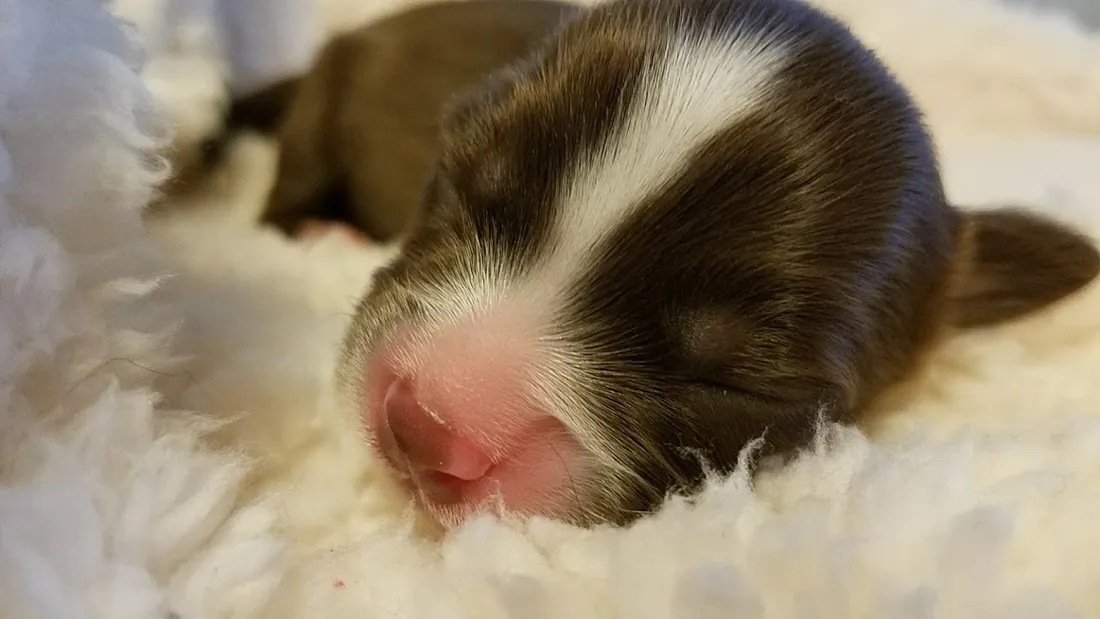

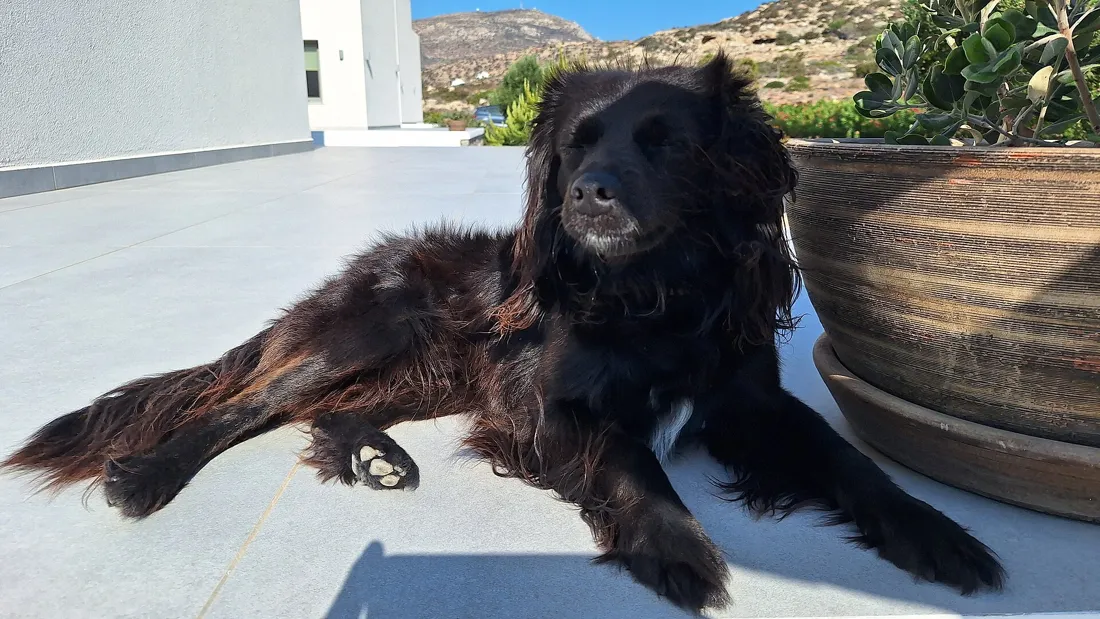

Photos show different individual dogs from licensed libraries, not one dog growing up. Stage labels are approximate, the way a careful editor would judge them.
About the Kokoni
The Kokoni is a small primitive landrace breed from Greece, developed to survive and work alongside people as a hunter, guardian and general purpose dog, shaped by natural selection as much as by breeders. This breed was shaped by survival, not by shows. Expect intelligence, reserve with strangers and a dog who must see the point of a request.
History
The Kokoni sits on the companion and toy breeds side of the dog world and was developed in Greece to survive and work alongside people as a hunter, guardian and general purpose dog, shaped by natural selection as much as by breeders. No big international registry lists the breed; the national club of its homeland is where its standard lives. A typical life runs 13 to 15 years. Two coat varieties: short and smooth, or medium length, silky and wavy with feathering.
Personality
Greece's small dog is the Kokoni: the little long coated companion of Greek homes, farms and villages for centuries, a type visible in ancient Greek depictions and still the default village house dog of the Greek countryside. The record frames it as a primitive landrace, and the landrace shrewdness is real, but the Kokoni's profession was companionship: watchdog of the courtyard, mouser of the store room and devoted family member. Kokonis are intelligent, cheerful and selectively devoted, with a small dog's liveliness and a survivor's good sense. Puppies are bright, silky charmers; adults are devoted, merry companions. Owners describe the complete Greek small dog: ancient, hardy and made for the home.
Temperament and traits
Energy (3/5)
Trainability (2/5)
Grooming needs (3/5)
Shedding (3/5)
Barking (3/5)
Good with children: Better with older children
With other dogs: With early socialization
With strangers: Wary of strangers
Apartment life: Well suited
Coat and care
Coat: Two coat varieties: short and smooth, or medium length, silky and wavy with feathering. Both shed modestly and need a brush once or twice a week.
Colors: Any.
Measure meals rather than free feeding; this breed does best on a routine of consistent meals, training in short sessions and daily exercise matched to its type. Brush weekly and check ears, teeth and nails as part of the routine. These are generally thrifty, hardy dogs; the main work is socialization and secure containment rather than grooming.
Exercise and grooming
Exercise
Sixty to ninety minutes a day is the record's figure, and depth treats it honestly: the Kokoni is Greece's small house dog, an ancient companion type rather than a hunting landrace, and busy short legs cover real ground on walks, games and household duties, though a very hot Greek afternoon splits the day's exercise into morning and evening. This breed was shaped by survival, not by shows, in the overview's broad framing, but the Kokoni's survival was in homes and villages as a companion, watchdog and mouser. Puppies need frequent, gentle exercise and careful socialisation; small dogs carried everywhere grow up fearful, so let the little Greek walk the world on its own feet.
Grooming
Brush weekly and check ears, teeth and nails as part of the routine, per the care notes, working through the silky, medium length coat in any colour so it stays flowing and tangle free; the Kokoni's pretty coat is kept with a genuine weekly comb through, not a clipping schedule. These are generally thrifty, hardy dogs; the main work is socialisation and secure containment rather than grooming, in the notes' words, though teeth in a small dog need daily brushing. Puppies need grooming habituation from the start. Owners rate the total effort as light and the result as charming.
Training and daily life
Training
The record's low train score means independence, not dullness: the Kokoni is intelligent and learns quickly what pays, responding to kind, consistent, reward based training in short sessions. It must see the point of a request, per the overview, and the point is usually food, play or affection, all abundant in a Greek household. Priorities are socialisation from the ground up, housetraining consistency, a settle, lead manners, and cooperative care. Warmth and clarity produce a polished, devoted companion.
Living with a Kokoni
The Kokoni suits devoted households, in flats above all, that want Greece's own little house dog: the record's temperament calls it independent, hardy, intelligent and self sufficient, and the depth sections add the companion truth: Kokonis are cheerful, affectionate and deeply people oriented under the landrace reserve, better with older children, dog social with early socialisation and wary of strangers until introduced, and well suited to apartment life in the record's rating. Expect a bright, devoted little shadow. Owners describe a treasure of the Greek home: an ancient companion that has sat in Greek doorways since antiquity.
What a Kokoni costs
Food cost
About $12 per month for a typical 13 lb adult eating roughly 1.1 cups a day of a standard quality food ($1.60 per lb). Full breakdown in our food expense calculator.
Activity and exercise
Plan 60 to 90 minutes a day of walks, play and training. Under exercised dogs of most breeds invent their own projects, and they rarely pick good ones.
Insurance cost
Typical US range $29 to $55 per month for accident and illness cover. Estimate only, based on market ranges for this breed's risk profile; see the insurance estimator and the insurance guide.
On the monthly figures above, a typical adult year runs to about $143 for food and $348 to $660 for insurance, before routine vet care, grooming and gear. Year one costs more: vaccinations, spay or neuter surgery, a crate, bedding and training all land at once.
Growth: puppy to senior
How weight typically builds with age for a small breed, and when full size arrives.
| Stage | Age | Typical weight |
|---|---|---|
| Puppy | 8 weeks | about 1 to 3 lb |
| Puppy | 4 months | about 3 to 7 lb |
| Young | 6 months | about 5 to 10 lb |
| Young | 9 months | about 6 to 14 lb |
| Adult | 12 months | about 7 to 17 lb |
| Adult | Full grown | 8.0 to 18 lb (standard range) |
| Senior | From about 10 years | Healthy weight stays in the adult range; watch for slow gain or loss |
Growth pattern follows the size class growth curves published by the Waltham Petcare Science Institute, applied to the adult weight range in the breed standard. Individual puppies vary; steady growth matters more than hitting any single number, and your vet's growth checks come first.
Life stages
Socialise early, per the landrace pattern, and build grooming and dental habits from the first weeks for a lifetime silky coat and small teeth. Puppies need gradual exercise building on the ground and training foundations in short sessions. Adolescents are busy, bright and opinionated, and structured play carries the household through. Adults enjoy a long, lively prime: thirteen to fifteen years. Keep the coat worked through weekly, teeth brushed and weight measured. Senior status arrives around ten to eleven: twice yearly checks with dental awareness, joint friendly exercise and continued gentle games. Old Kokonis stay intelligent, devoted and busy at a slower tempo.
Health
Landrace breeds are usually notably healthy, shaped by natural selection rather than fashion. Sensible breeders still screen hips and eyes, and the bigger health task for owners is socialization, not medication.
Conditions to know about
- General hardiness: Landrace breeds are usually notably healthy, shaped by natural selection rather than fashion, in the record's words, and the Kokoni is famous in Greece for exactly this: a long lived, robust little dog. Thirteen to fifteen years is the record's span.
- Hip and joint soundness: Sensible breeders still screen hips and eyes, per the record; at small dog size, the practical joint watch runs to knees. Ask what checks a breeder does.
- Eye conditions: Eye checks are the record's second named screening. Ask for results before you commit to a puppy.
- Socialisation as health: The bigger health task for owners is socialisation, not medication, in the record's summary. A well socialised Kokoni is a confident, healthy companion.
Facts follow the Kokoni breed standard (AKC, The Kennel Club and FCI standards agree on the essentials for this breed). Health notes summarize the conditions breed clubs and veterinary bodies most often flag for this breed. They are general information for choosing and caring, not a diagnosis or a substitute for your vet.
Gear for Kokoni owners
Our team is hands on testing products for this guide right now. Recommendations will only appear here after real testing, and this module will always carry a plain affiliate disclosure at the top.
Kokoni questions
How long do Kokonis live?
A typical lifespan is 13 to 15 years. Weight control, dental care and screening for the breed's known conditions give a dog the best chance of reaching the top of that range.
How much does it cost to keep a Kokoni?
Food for a typical adult runs about $12 a month at a standard quality tier, and accident and illness insurance usually falls between $29 and $55 a month in the US. Try the full cost calculator for a complete year one and yearly picture.
Are Kokonis good with children?
Better with older children. As with every breed, supervise dogs and children together and teach children to respect the dog's space.
How much exercise does a Kokoni need?
Plan on 60 to 90 minutes a day, split between walks, play and training games. Puppies and seniors need gentler, shorter sessions.
What does Kokoni mean?
Small dog, in Greek: kokoni is simply the word for a little dog, and the breed is Greece's traditional small house dog, recognisable in Greek art and village life for centuries.
Kokoni or Alopekis, what is the difference?
Greek small dog cousins: the Alopekis is the smaller, fox like farm dog, often wire or short coated. The Kokoni is the silkier, longer coated house dog type. Both are ancient Greek landrace companions.
Are Kokonis good apartment dogs?
Among the best fits in Greece: compact, devoted and well suited to flats in the record's rating, famously healthy and lively, provided they get real walks and company.
Breeds similar to the Kokoni Compare this breed with another