Keeshond
Bright, vocal, independent and cheerful. From Netherlands.
Non-Sportingmedium breedNetherlandsStandards checked
Standards checked: this profile's facts are checked against the breed standards of the AKC, The Kennel Club and the FCI, as described on our methodology page.
Gallery
Real photos from licensed sources only, each credited to its creator.
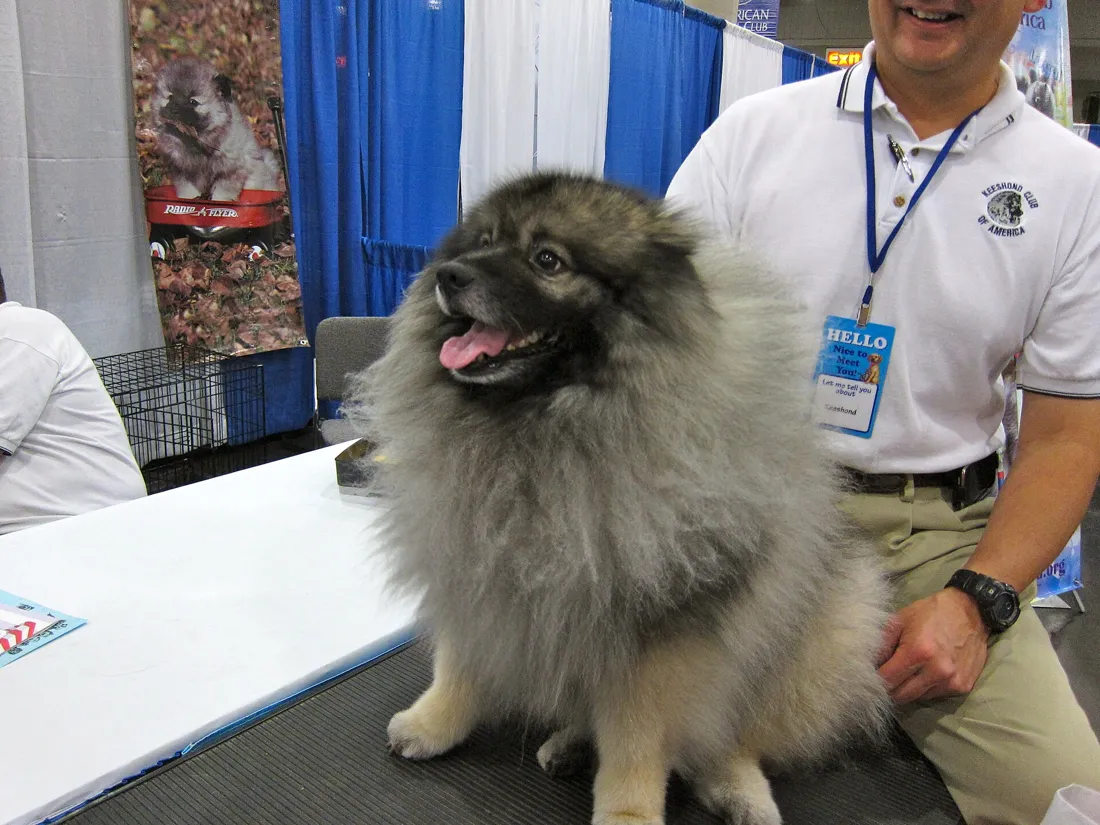

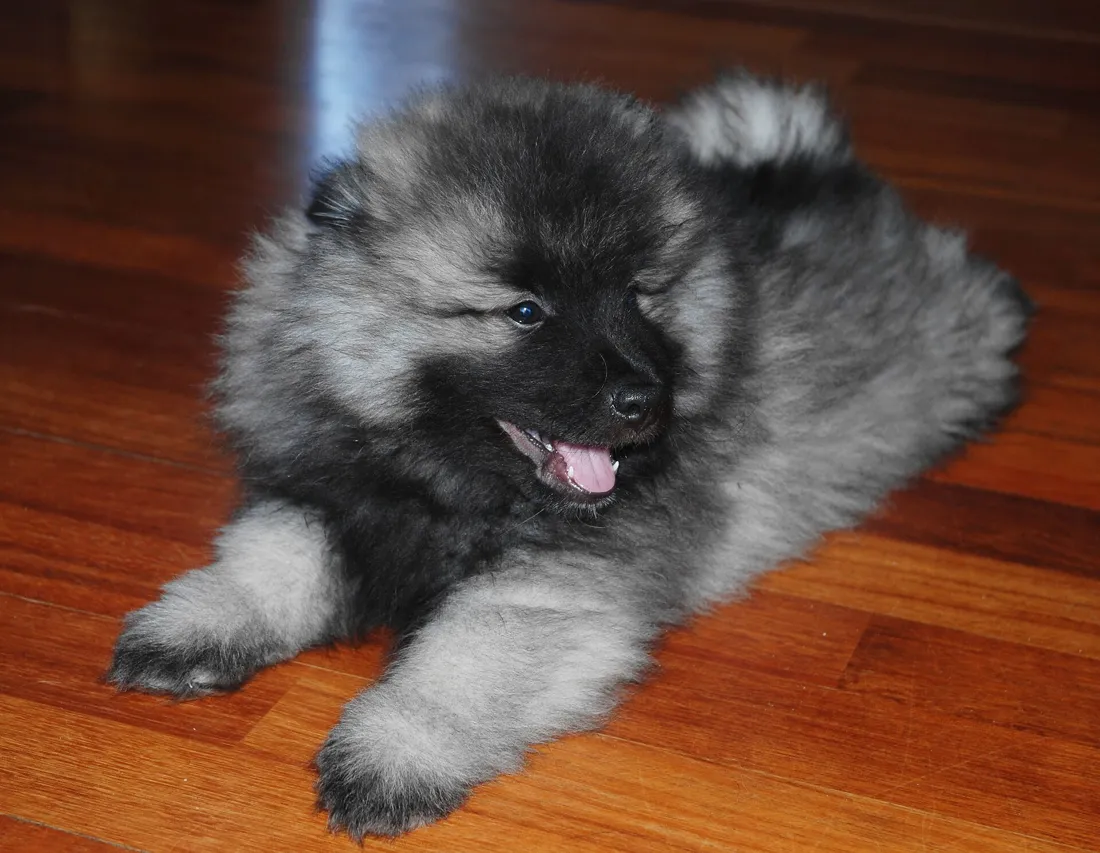


Photos show different individual dogs from licensed libraries, not one dog growing up. Stage labels are approximate, the way a careful editor would judge them.
About the Keeshond
The Keeshond is a medium sized spitz breed from Netherlands, developed to work as an all purpose northern farm, hunting and companion dog in a hard climate. Expect an alert, smiling companion who keeps its own counsel. Early socialization and consistent training make the spitz a superb family dog.
History
Spitz types spread with the peoples of the far north and stayed remarkably unchanged: prick ears, curled tail and a coat built for winter. The AKC recognizes the breed today, and its standard is the reference most US breeders work to.
Personality
Bright, vocal, independent and cheerful, with a smile built into the face: the Keeshond is the Dutch barge dog, bred to live aboard canal boats as companion, watchdog and unofficial captain. Keeshonden are devoted people dogs with a spitz streak of self possession, alert to everything, delighted by company and permanently convinced the household runs better with their input. Puppies are plush, busy charmers; adults are smiling, expressive companions with a fox like cleverness. Owners describe a dog that laughs, literally seeming to grin through the famous spectacles markings, and a watchdog that announces visitors, then joins the party as guest of honour.
Temperament and traits
Energy (3/5)
Trainability (3/5)
Grooming needs (3/5)
Shedding (4/5)
Barking (4/5)
Good with children: Good with children
With other dogs: With early socialization
With strangers: Reserved with strangers
Apartment life: With enough exercise
Coat and care
Coat: A thick double coat with a dense undercoat and a weather resistant outer layer.
Colors: Standard colors: mix of Silver, Light Gray, Dark Gray, and White. They are cream at the Forehead and Legs.
Measure meals rather than free feeding; this breed does best on a routine of consistent meals, training in short sessions and daily exercise matched to its type. Brush weekly, and daily during the two big seasonal sheds. Never shave a double coat. Never shave a double coat; it insulates in both directions. Brush through the seasonal coat blows or the undercoat felts.
Exercise and grooming
Exercise
Forty five to ninety minutes a day of cheerful exercise: brisk walks, play, hikes and training games. The Keeshond was the Dutch barge dog, a companion and watchdog that lived on the canals, and it is built for an active family life rather than extreme sport. Early socialisation and consistent training make the spitz a superb family dog, per the overview, and exercise is part of that formula. Puppies build up gradually. Heat needs management under the thick double coat, so summer exercise slides to cool hours. A Keeshond with its programme paid is a smiling, settled companion; one without becomes a vocal commentator on everything the neighbours do.
Grooming
Brush weekly, and daily during the two big seasonal sheds, and never shave a double coat, in the care notes' doubled emphasis: it insulates in both directions. Work through the thick coat in sections to the skin, because brush through the seasonal coat blows or the undercoat felts, exactly as the notes warn. The famous spectacles and ruff need combing to stay defined. Keeshonden are relatively odour free and clean for a heavy coated breed. Add ear checks under the fur, nail trims and tooth brushing, and start the routine in puppyhood, because coat care is a fifteen year conversation with a smiling participant.
Training and daily life
Training
Keeshonden are bright and learn fast, and their independence means the training must be worth attending: varied, cheerful, well paid sessions with games woven in. Early socialisation and consistent training make the spitz a superb family dog, per the overview, and the details are recall, lead manners, a settle and a quiet cue for a vocal breed. Harsh methods engage the spitz brake; humour and clarity produce a responsive, polished companion. Many Keeshonden enjoy trick training, agility and rally, where the cleverness and the smile make them crowd favourites.
Living with a Keeshond
The Keeshond suits sociable, active households that want a devoted family spitz with a smile and a voice. Bright and cheerful, good with children, dog social with early work and reserved with strangers until introductions are made, after which the friendliness takes over. Flats rate as possible in the record with the full exercise delivered, with barking as the honest negotiation with neighbours. Expect devotion, commentary, seasonal fur events and a dog that considers itself the family's social secretary. For owners who want the spitz look with a companion breed's heart, the Keeshond is the classic answer, and its people rarely switch breeds.
What a Keeshond costs
Food cost
About $28 per month for a typical 40 lb adult eating roughly 2.6 cups a day of a standard quality food ($1.60 per lb). Full breakdown in our food expense calculator.
Activity and exercise
Plan 45 to 90 minutes a day of walks, play and training. Under exercised dogs of most breeds invent their own projects, and they rarely pick good ones.
Insurance cost
Typical US range $35 to $63 per month for accident and illness cover. Estimate only, based on market ranges for this breed's risk profile; see the insurance estimator and the insurance guide.
On the monthly figures above, a typical adult year runs to about $333 for food and $420 to $756 for insurance, before routine vet care, grooming and gear. Year one costs more: vaccinations, spay or neuter surgery, a crate, bedding and training all land at once.
Growth: puppy to senior
How weight typically builds with age for a medium breed, and when full size arrives.
| Stage | Age | Typical weight |
|---|---|---|
| Puppy | 8 weeks | about 5 to 6 lb |
| Puppy | 4 months | about 11 to 14 lb |
| Young | 6 months | about 18 to 23 lb |
| Young | 9 months | about 26 to 33 lb |
| Adult | 12 months | about 31 to 40 lb |
| Adult | 18 months | about 35 to 45 lb |
| Adult | Full grown | 35 to 45 lb (standard range) |
| Senior | From about 8 years | Healthy weight stays in the adult range; watch for slow gain or loss |
Growth pattern follows the size class growth curves published by the Waltham Petcare Science Institute, applied to the adult weight range in the breed standard. Individual puppies vary; steady growth matters more than hitting any single number, and your vet's growth checks come first.
Life stages
Puppies need socialisation, coat handling from the first weeks, housetraining routine and early work on the voice, teaching a quiet cue while the barking habits form. Adolescents are vocal, clever and busy, and training plus exercise carry the household through. Adults enjoy a long, cheerful prime: keep the coat worked through, weight lean under the fluff and vet checks annual. Twelve to fifteen years makes senior status around ten: twice yearly checks, joint friendly walks in cool hours and continued inclusion. Old Keeshonden keep the smile, the commentary and the captain's authority to the end.
Health
Hip screening and a DNA test for primary hyperparathyroidism are the breed standards, plus elbow and eye checks. A generally healthy spitz. Ask to see health test results for both parents before you commit to a puppy; a good breeder will offer them before you ask.
Conditions to know about
- Primary hyperparathyroidism (PHPT): A DNA test for primary hyperparathyroidism is a breed standard, per the record: a hereditary calcium disorder screened before breeding. Ask for both parents' DNA results.
- Hip dysplasia: Hip screening is the other breed standard named in the record. Scores in writing, and sensible lean growth for puppies.
- Elbow and eye checks: Elbow and eye checks complete the listed panel, in the record's words. Ask for the full set of certificates rather than a verbal summary.
- A generally healthy spitz: The record's overall verdict: a generally healthy spitz. The screening list still applies, because healthy breeds stay healthy through breeders who test.
Facts follow the Keeshond breed standard (AKC, The Kennel Club and FCI standards agree on the essentials for this breed). Health notes summarize the conditions breed clubs and veterinary bodies most often flag for this breed. They are general information for choosing and caring, not a diagnosis or a substitute for your vet.
Gear for Keeshond owners
Our team is hands on testing products for this guide right now. Recommendations will only appear here after real testing, and this module will always carry a plain affiliate disclosure at the top.
Keeshond questions
How long do Keeshonds live?
A typical lifespan is 12 to 15 years. Weight control, dental care and screening for the breed's known conditions give a dog the best chance of reaching the top of that range.
How much does it cost to keep a Keeshond?
Food for a typical adult runs about $28 a month at a standard quality tier, and accident and illness insurance usually falls between $35 and $63 a month in the US. Try the full cost calculator for a complete year one and yearly picture.
Are Keeshonds good with children?
Good with children. As with every breed, supervise dogs and children together and teach children to respect the dog's space.
How much exercise does a Keeshond need?
Plan on 45 to 90 minutes a day, split between walks, play and training games. Puppies and seniors need gentler, shorter sessions.
Why is the Keeshond called the Smiling Dutchman?
The breed's expression, with its spectacle markings around the eyes and upturned mouth, looks like a permanent grin, and the Dutch barge dog heritage supplies the nationality. The smile matches the temperament.
Do Keeshonden shed a lot?
Yes, in seasonal blows the undercoat comes out in drifts, and the record's care notes are blunt: brush through the seasonal coat blows or the undercoat felts. Weekly brushing keeps normal weeks tidy.
Are Keeshonden good watchdogs?
Excellent in the alarm sense: alert, vocal and devoted, they announce everything. They are friendly once introductions are made, so the guarding ends at the announcement.