Jindo
Bold, devoted, watchful and trainable. From Jindo Island, South Korea.
Workingmedium breedJindo Island, South KoreaStandards checked
Standards checked: this profile's facts are checked against the breed standards of the AKC, The Kennel Club and the FCI, as described on our methodology page.
Gallery
Real photos from licensed sources only, each credited to its creator.


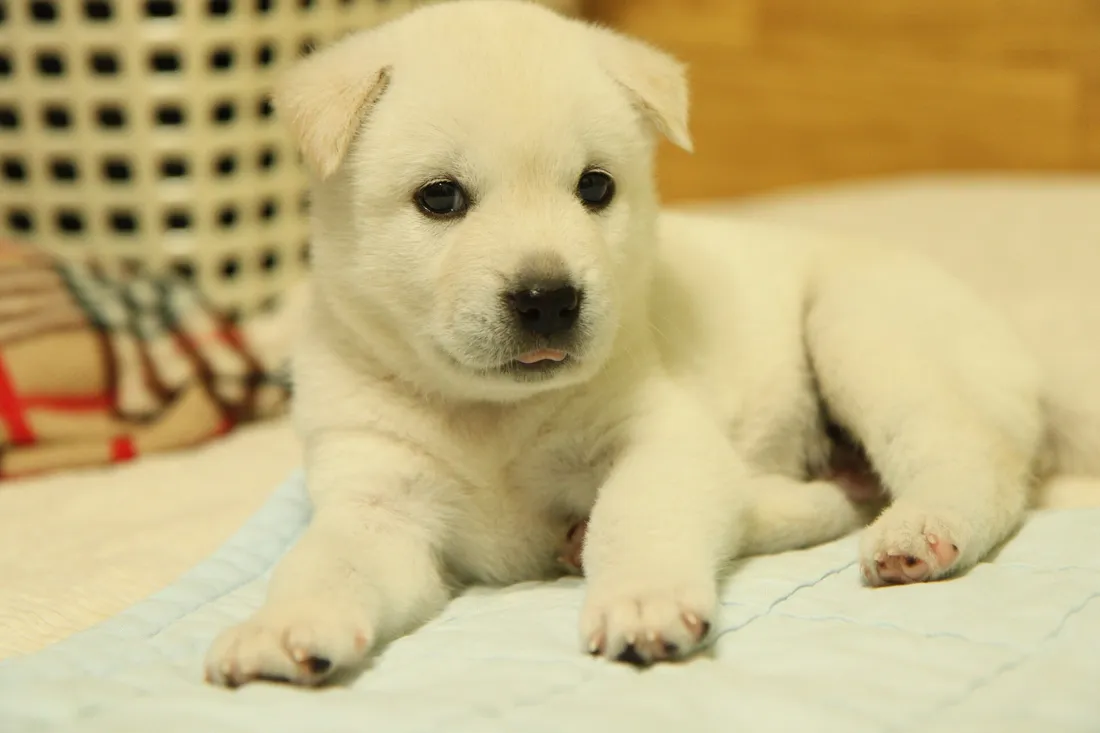


Photos show different individual dogs from licensed libraries, not one dog growing up. Stage labels are approximate, the way a careful editor would judge them.
About the Jindo
From Jindo Island, South Korea, the Jindo is a medium sized guard and working breed whose traditional work was to guard people and property and stand watch over homes, farms and families. Working guard breeds need training, socialization and a job from the start; in the right hands they are superbly loyal family dogs, in the wrong ones they are a liability.
History
Guarding and general purpose working dogs stood beside soldiers, police and farmers for centuries before formal breeds were written down. The AKC recognizes the breed today, and its standard is the reference most US breeders work to.
Personality
Bold, devoted, watchful and trainable is the record's Jindo, the Korean Jindo Dog: the spitz of Jindo Island off Korea's south west coast, a hunting and guard dog kept pure by island isolation and protected as a Korean Natural Monument, famous for the most celebrated loyalty in the dog world. Jindos are intelligent, brave and deeply devoted, with a primitive dog's independence, a hunter's prey drive and a catlike cleanliness. Puppies are bright, keen charmers needing the widest socialisation; adults are devoted, dignified companions. Owners describe a dog of unusual completeness: a national treasure with a wild heart and a once in a lifetime bond.
Temperament and traits
Energy (4/5)
Trainability (4/5)
Grooming needs (3/5)
Shedding (3/5)
Barking (4/5)
Good with children: Good with children
With other dogs: With early socialization
With strangers: Wary of strangers
Apartment life: With enough exercise
Coat and care
Coat: Thick double coat: a harsh, straight, standing off outer coat over a soft, dense undercoat. It sheds heavily twice a year when blowing coat, and needs thorough brushing then.
Colors: The standard accepts a range of colors and patterns, and individual markings vary a lot.
Measure meals rather than free feeding; this breed does best on a routine of consistent meals, training in short sessions and daily exercise matched to its type. Brush weekly and check ears, teeth and nails as part of the routine. Start training and socialization in the first weeks home and never stop; a dog this capable notices every gap in the routine.
Exercise and grooming
Exercise
Sixty to ninety minutes a day of serious island exercise: the Jindo, the Korean Jindo Dog, is the hunting and guard dog of Jindo Island, protected in South Korea as a Natural Monument, famous worldwide for loyalty legends (the Jindo that walked hundreds of kilometres home is national folklore with documented cases). Brisk walks, free running in secure areas, tracking and training fill the programme. Working guard breeds need training, socialisation and a job from the start, per the overview. Puppies build up gradually. A worked Jindo is a devoted, dignified house dog; expect a primitive dog's independence alongside the devotion.
Grooming
Brush weekly and check ears, teeth and nails as part of the routine, per the care notes, working through the dense double coat properly: the Jindo is famously clean and catlike in its habits, and the coat blows twice yearly in generous clouds. Start training and socialisation in the first weeks home and never stop, per the care notes; grooming cooperation is part of that education. Ears take regular checks, nails need trims and teeth benefit from brushing. Puppies need coat care habituation from the start. Owners budget real weekly time at the blows.
Training and daily life
Training
The record's strong train score comes with the primitive clause: Jindos are highly intelligent and learn fast, and perform by conviction, so training means kind, consistent, reward based work started in the first weeks home and never stopped, per the care notes. Priorities are socialisation above all, recall kept managed outdoors (the hunting drive is total), a settle, lead manners, and cooperative care. Working guard breeds need training, socialisation and a job from the start, per the overview. Owners who earn a Jindo's respect describe the most loyal partnership in dogs.
Living with a Jindo
The Jindo suits experienced, devoted households that understand primitive spitz breeds: bold, devoted, watchful and trainable in the record's summary, good with its own children, dog selective without early socialisation and wary of strangers by breeding. It rates flats as possible with the full programme delivered and an escape proof home (Jindos are famous fence solvers). In the right hands they are superbly loyal family dogs, in the wrong ones they are a liability, per the overview, and depth endorses the bluntness. Owners describe a dog of unusual depth: Korea's treasure, loyal past reason and independent past argument.
What a Jindo costs
Food cost
About $29 per month for a typical 42 lb adult eating roughly 2.7 cups a day of a standard quality food ($1.60 per lb). Full breakdown in our food expense calculator.
Activity and exercise
Plan 60 to 90 minutes a day of walks, play and training. Under exercised dogs of most breeds invent their own projects, and they rarely pick good ones.
Insurance cost
Typical US range $36 to $64 per month for accident and illness cover. Estimate only, based on market ranges for this breed's risk profile; see the insurance estimator and the insurance guide.
On the monthly figures above, a typical adult year runs to about $345 for food and $432 to $768 for insurance, before routine vet care, grooming and gear. Year one costs more: vaccinations, spay or neuter surgery, a crate, bedding and training all land at once.
Growth: puppy to senior
How weight typically builds with age for a medium breed, and when full size arrives.
| Stage | Age | Typical weight |
|---|---|---|
| Puppy | 8 weeks | about 5 to 7 lb |
| Puppy | 4 months | about 11 to 16 lb |
| Young | 6 months | about 17 to 27 lb |
| Young | 9 months | about 24 to 38 lb |
| Adult | 12 months | about 29 to 45 lb |
| Adult | 18 months | about 33 to 51 lb |
| Adult | Full grown | 33 to 51 lb (standard range) |
| Senior | From about 8 years | Healthy weight stays in the adult range; watch for slow gain or loss |
Growth pattern follows the size class growth curves published by the Waltham Petcare Science Institute, applied to the adult weight range in the breed standard. Individual puppies vary; steady growth matters more than hitting any single number, and your vet's growth checks come first.
Life stages
Puppies need the widest socialisation, coat care habituation, gradual exercise building and training started in the first weeks home, per the care notes. Adolescents are strong, independent and escape minded, and structured work plus engineered fencing carries the household through. Adults enjoy a long, hardy prime: twelve to fifteen years. Keep the coat worked through at the blows, weight lean and the duties real. Senior status arrives around ten: twice yearly checks with hip and eye awareness, joint friendly exercise and continued gentle adventures. Old Jindos stay devoted, watchful and dignified.
Health
Hip, eye and patella checks, appropriate to the breed's size and type, are the screenings responsible breeders use. Ask to see certificates for both parents before committing to a puppy.
Conditions to know about
- Hip dysplasia: Hip checks are among the screenings responsible breeders use, appropriate to the breed's size and type, per the record. Ask to see certificates for both parents before committing to a puppy, in the record's own standard.
- Eye conditions: Eye checks stand in the record's screening list. Ask for current certificates for both parents.
- Patellar luxation: Patella checks complete the record's trio, appropriate to size and type. Ask what the breeder's dogs were scored and see the paperwork.
Facts follow the Jindo breed standard (AKC, The Kennel Club and FCI standards agree on the essentials for this breed). Health notes summarize the conditions breed clubs and veterinary bodies most often flag for this breed. They are general information for choosing and caring, not a diagnosis or a substitute for your vet.
Gear for Jindo owners
Our team is hands on testing products for this guide right now. Recommendations will only appear here after real testing, and this module will always carry a plain affiliate disclosure at the top.
Jindo questions
How long do Jindos live?
A typical lifespan is 12 to 15 years. Weight control, dental care and screening for the breed's known conditions give a dog the best chance of reaching the top of that range.
How much does it cost to keep a Jindo?
Food for a typical adult runs about $29 a month at a standard quality tier, and accident and illness insurance usually falls between $36 and $64 a month in the US. Try the full cost calculator for a complete year one and yearly picture.
Are Jindos good with children?
Good with children. As with every breed, supervise dogs and children together and teach children to respect the dog's space.
How much exercise does a Jindo need?
Plan on 60 to 90 minutes a day, split between walks, play and training games. Puppies and seniors need gentler, shorter sessions.
Why is the Jindo a Natural Monument?
South Korea designated the Korean Jindo Dog a Natural Monument (No. 53, in 1962) and protects the breed's purity on Jindo Island itself, where dogs are inspected and registered. It is one of the world's most officially treasured breeds.
Jindo or Shiba Inu, what is the difference?
Asian spitz cousins: the Jindo is the larger Korean island dog at 33 to 51 pounds, a serious hunter and guardian. The Shiba is the compact Japanese companion. Both are loyal, primitive and catlike in cleanliness; the Jindo is the more powerful and demanding dog.
Are Jindos really that loyal?
The reputation is earned and documented: Korean stories of Jindos travelling hundreds of kilometres to return to their owners are famous, and owners worldwide confirm a once bonded, always bonded dog. The flip side is that rehomed Jindos bond slowly, which adopters should know.