Hovawart
Confident, loyal, intelligent and protective. From Germany.
Workinglarge breedGermanyStandards checked
Standards checked: this profile's facts are checked against the breed standards of the AKC, The Kennel Club and the FCI, as described on our methodology page.
Gallery
Real photos from licensed sources only, each credited to its creator.


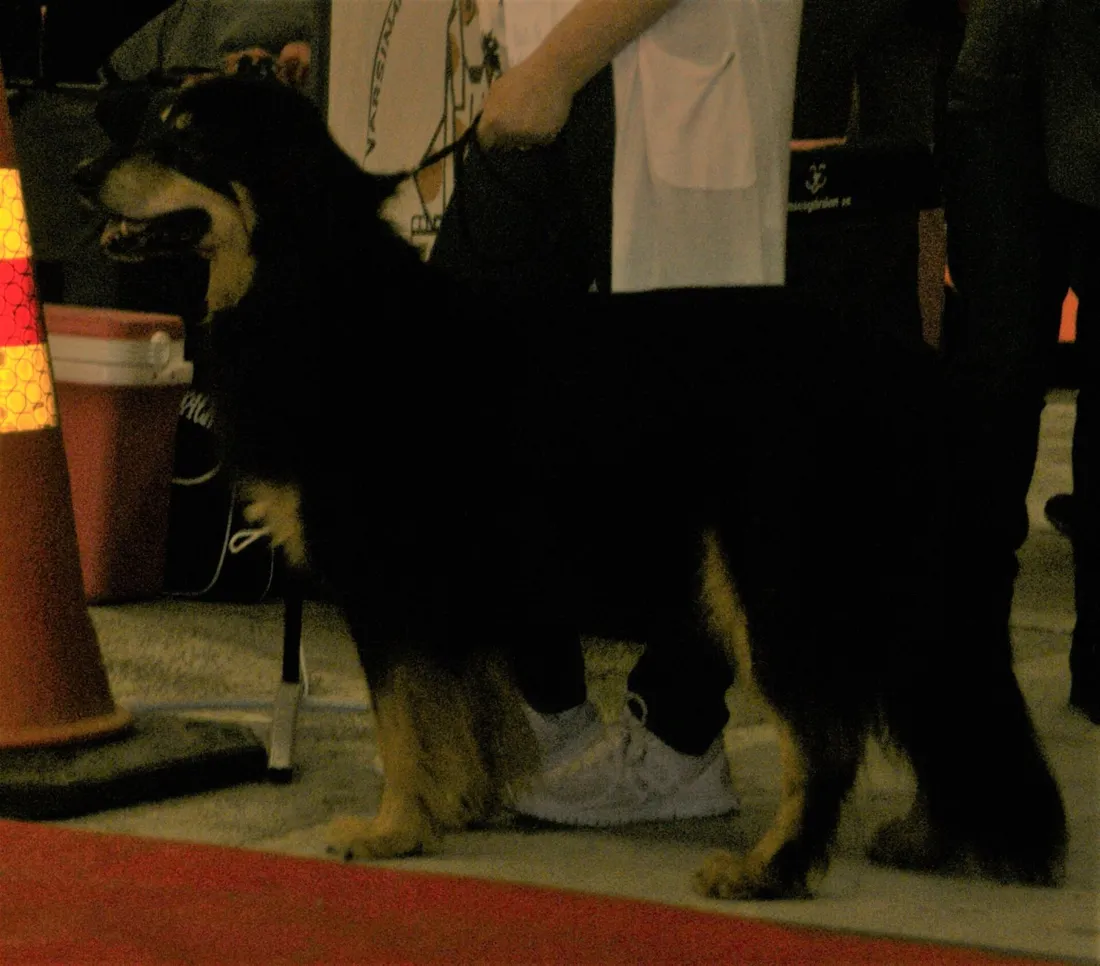


Photos show different individual dogs from licensed libraries, not one dog growing up. Stage labels are approximate, the way a careful editor would judge them.
About the Hovawart
The Hovawart is a large guard and working breed from Germany, developed to guard people and property and stand watch over homes, farms and families. This is a breed that takes life seriously. Early socialization, structured training and daily work are not extras, they are the breed's basic needs.
History
For the people of Germany, the Hovawart was the local answer to a practical need: a dog to guard people and property and stand watch over homes, farms and families. The breed is on the FCI books, and its standard there is the one used internationally. Long, slightly wavy double coat lying close, with feathering on the chest, legs and tail, over a modest undercoat. Its standard colours in our records are black, black and gold, and blonde.
Personality
Confident, loyal, intelligent and protective is the record's Hovawart, Germany's yard watcher: an old estate guardian type, documented in medieval law, rebuilt as a modern breed with deliberate care for a balanced, versatile working temperament. Hovawarts are self assured, deeply devoted and notably thoughtful, guarding by judgement rather than reflex. Puppies are handsome, bright charmers that mature slowly; adults are calm, powerful partners that supervise home and family completely. Owners describe a dog of rare completeness: guardian, athlete, tracker and family member in one blonde, black or black and gold package.
Temperament and traits
Energy (4/5)
Trainability (4/5)
Grooming needs (3/5)
Shedding (3/5)
Barking (4/5)
Good with children: Good with children
With other dogs: With early socialization
With strangers: Wary of strangers
Apartment life: With enough exercise
Coat and care
Coat: Long, slightly wavy double coat lying close, with feathering on the chest, legs and tail, over a modest undercoat. It sheds moderately and needs brushing once or twice a week.
Colors: Standard colors: black, black and gold, and blonde.
Feed to a visible waist tuck and weigh monthly; this breed does best on a routine of consistent meals, training in short sessions and daily exercise matched to its type. Brush weekly and check ears, teeth and nails as part of the routine. Start training and socialization in the first weeks home and never stop; a dog this capable notices every gap in the routine.
Exercise and grooming
Exercise
Sixty to ninety minutes a day of structured, purposeful exercise: long walks, hiking, tracking, protection sports and training woven through the day. The Hovawart is Germany's estate guardian, its name meaning yard watcher, rebuilt in the twentieth century from old farm guardian types, and it needs a guardian athlete's programme. This is a breed that takes life seriously, per the overview: early socialisation, structured training and daily work are not extras, they are the breed's basic needs. Start training and socialisation in the first weeks home and never stop, per the care notes. Puppies build up gradually. A worked Hovawart is a calm, devoted family guardian.
Grooming
Brush weekly and check ears, teeth and nails as part of the routine, per the care notes, combing through the long, slightly wavy coat in black, black and gold or blonde so it stays clean and flowing. The coat is handsome, weatherproof and moderate in its demands: thorough weekly work with extra at the seasonal turns. Teeth benefit from regular brushing, ears take weekly checks, and nails need trims on a large athlete. Puppies need grooming habituation from the first weeks. Owners rate the Hovawart's grooming as moderate: the real budget, as the care notes insist, goes to training and socialisation that never stop.
Training and daily life
Training
Hovawarts are highly capable pupils for experienced, consistent handlers: intelligent, eager and deeply bonded. Start training and socialisation in the first weeks home and never stop, in the care notes' direct instruction, because a dog this capable notices every gap in the routine. Reward based structure with real tasks produces excellent results in tracking, obedience, protection and search sports. The priorities are socialisation to school the guarding instinct into judgement, lead manners before the strength arrives, a settle, recall on secure ground, and cooperative care. Harsh methods fail with this proud, thoughtful breed; fair, steady leadership builds a magnificent partner.
Living with a Hovawart
The Hovawart suits experienced, active households with space and a genuine working partnership to offer. Confident, loyal, intelligent and protective in the record's words, good with its own children, dog selective without early socialisation and wary of strangers by design, it rates flats as possible in the record only with the full programme genuinely delivered. Expect total devotion, professional guarding and a dog that regards the household as its estate. German breeders guard this breed's character carefully; owners describe a magnificent, serious companion: a yard watcher with a family's heart and a scholar's mind.
What a Hovawart costs
Food cost
About $43 per month for a typical 72 lb adult eating roughly 4.0 cups a day of a standard quality food ($1.60 per lb). Full breakdown in our food expense calculator.
Activity and exercise
Plan 60 to 90 minutes a day of walks, play and training. Under exercised dogs of most breeds invent their own projects, and they rarely pick good ones.
Insurance cost
Typical US range $40 to $72 per month for accident and illness cover. Estimate only, based on market ranges for this breed's risk profile; see the insurance estimator and the insurance guide.
On the monthly figures above, a typical adult year runs to about $517 for food and $480 to $864 for insurance, before routine vet care, grooming and gear. Year one costs more: vaccinations, spay or neuter surgery, a crate, bedding and training all land at once.
Growth: puppy to senior
How weight typically builds with age for a large breed, and when full size arrives.
| Stage | Age | Typical weight |
|---|---|---|
| Puppy | 8 weeks | about 7 to 11 lb |
| Puppy | 4 months | about 15 to 25 lb |
| Puppy | 6 months | about 26 to 43 lb |
| Young | 9 months | about 37 to 61 lb |
| Young | 12 months | about 45 to 74 lb |
| Adult | 18 months | about 52 to 86 lb |
| Adult | 24 months | about 55 to 90 lb |
| Adult | Full grown | 55 to 90 lb (standard range) |
| Senior | From about 7 years | Healthy weight stays in the adult range; watch for slow gain or loss |
Growth pattern follows the size class growth curves published by the Waltham Petcare Science Institute, applied to the adult weight range in the breed standard. Individual puppies vary; steady growth matters more than hitting any single number, and your vet's growth checks come first.
Life stages
Puppies need wide socialisation, because the wary streak forms early, plus protected joints while a large frame grows and training foundations laid in the first weeks. Adolescents are strong, clever and increasingly territorial, maturing slowly, and structured work plus continued socialisation carries the household through. Adults enjoy a long, powerful prime: keep weight lean at a visible waist tuck, coat brushed through and the work coming. Ten to fourteen years puts senior status around nine: twice yearly checks with hip and eye awareness, joint friendly exercise and continued light duties. Old Hovawarts stay devoted, vigilant and dignified, yard watchers to the end.
Health
Hip, eye and patella checks, appropriate to the breed's size and type, are the screenings responsible breeders use. Ask to see certificates for both parents before committing to a puppy.
Conditions to know about
- Hip dysplasia: Hip checks lead the screenings responsible breeders use for the breed, per the record. Ask to see certificates for both parents before committing to a puppy, and manage growth slow and lean.
- Eye conditions: Eye checks join the screening trio named in the record. Ask for current results for both parents.
- Patellar luxation: Patella checks, appropriate to the breed's size and type, complete the record's trio. A skipping hind gait deserves assessment even in an athletic dog.
Facts follow the Hovawart breed standard (AKC, The Kennel Club and FCI standards agree on the essentials for this breed). Health notes summarize the conditions breed clubs and veterinary bodies most often flag for this breed. They are general information for choosing and caring, not a diagnosis or a substitute for your vet.
Gear for Hovawart owners
Our team is hands on testing products for this guide right now. Recommendations will only appear here after real testing, and this module will always carry a plain affiliate disclosure at the top.
Hovawart questions
How long do Hovawarts live?
A typical lifespan is 10 to 14 years. Weight control, dental care and screening for the breed's known conditions give a dog the best chance of reaching the top of that range.
How much does it cost to keep a Hovawart?
Food for a typical adult runs about $43 a month at a standard quality tier, and accident and illness insurance usually falls between $40 and $72 a month in the US. Try the full cost calculator for a complete year one and yearly picture.
Are Hovawarts good with children?
Good with children. As with every breed, supervise dogs and children together and teach children to respect the dog's space.
How much exercise does a Hovawart need?
Plan on 60 to 90 minutes a day, split between walks, play and training games. Puppies and seniors need gentler, shorter sessions.
What does Hovawart mean?
Yard watcher in old German: hova is the yard or estate, wart is the guard. The name is the job description, Germany's farm and estate guardian, documented since medieval times and rebuilt as a breed in the twentieth century.
Hovawart or Golden Retriever, what is the difference?
They can look alike in blonde, which ends the resemblance: the Hovawart is a serious working guardian with territorial instincts and a watchdog's judgement. The Golden is a gundog bred for sociability. Research carefully before confusing them.
Are Hovawarts good family dogs?
For experienced, active families, devoted ones: confident, loyal and protective, deeply bonded to their people. They need early socialisation, training and work, and they are not a casual first dog.
Breeds similar to the Hovawart Compare this breed with another