Home / Breeds / German Shepherd
German Shepherd
Confident, loyal, brave and highly intelligent. From Germany.
Herdinglarge breedGermanyStandards checked
Standards checked: this profile's facts are checked against the breed standards of the AKC, The Kennel Club and the FCI, as described on our methodology page.
Gallery
Real photos from licensed sources only, each credited to its creator.
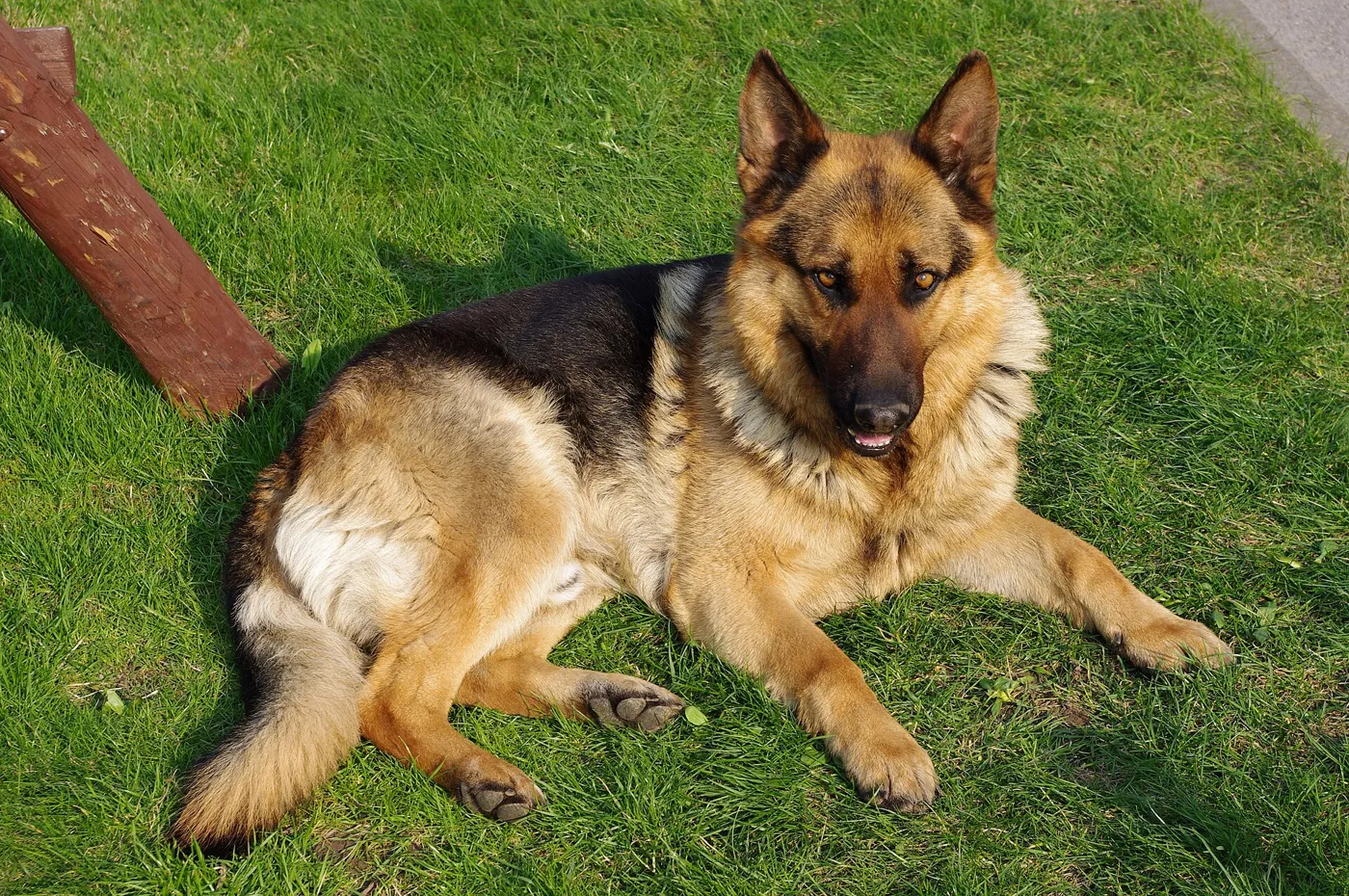

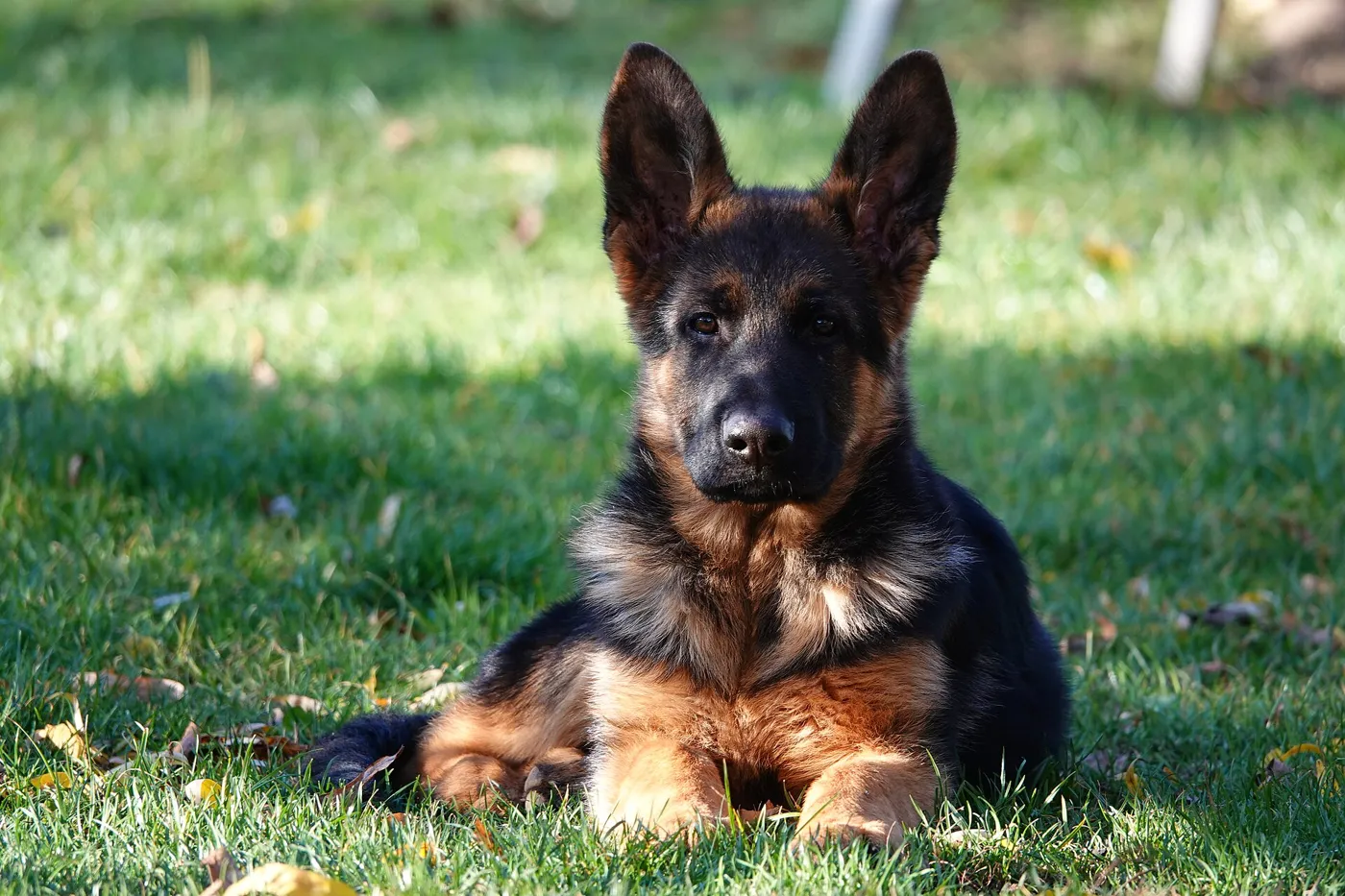

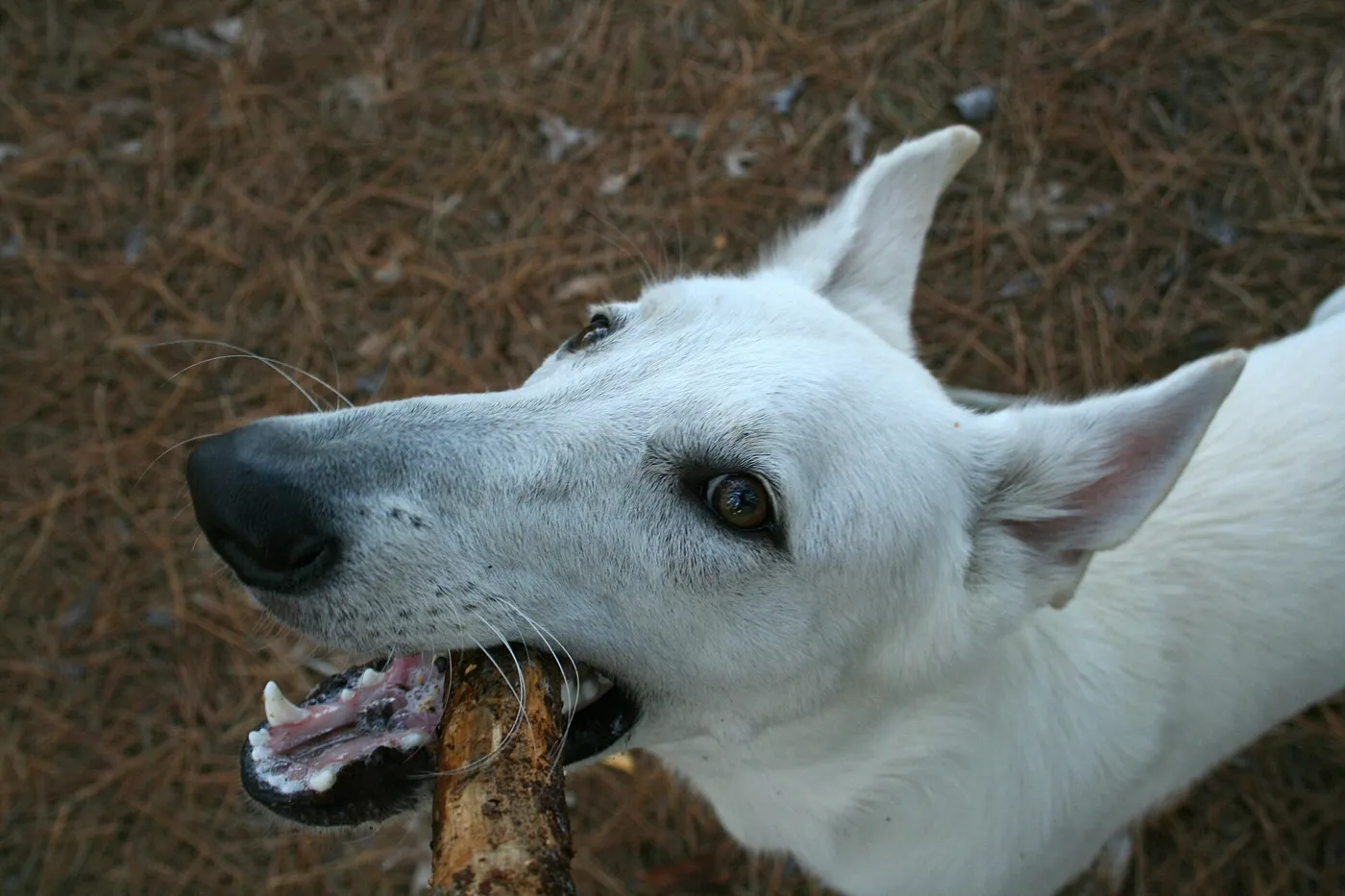

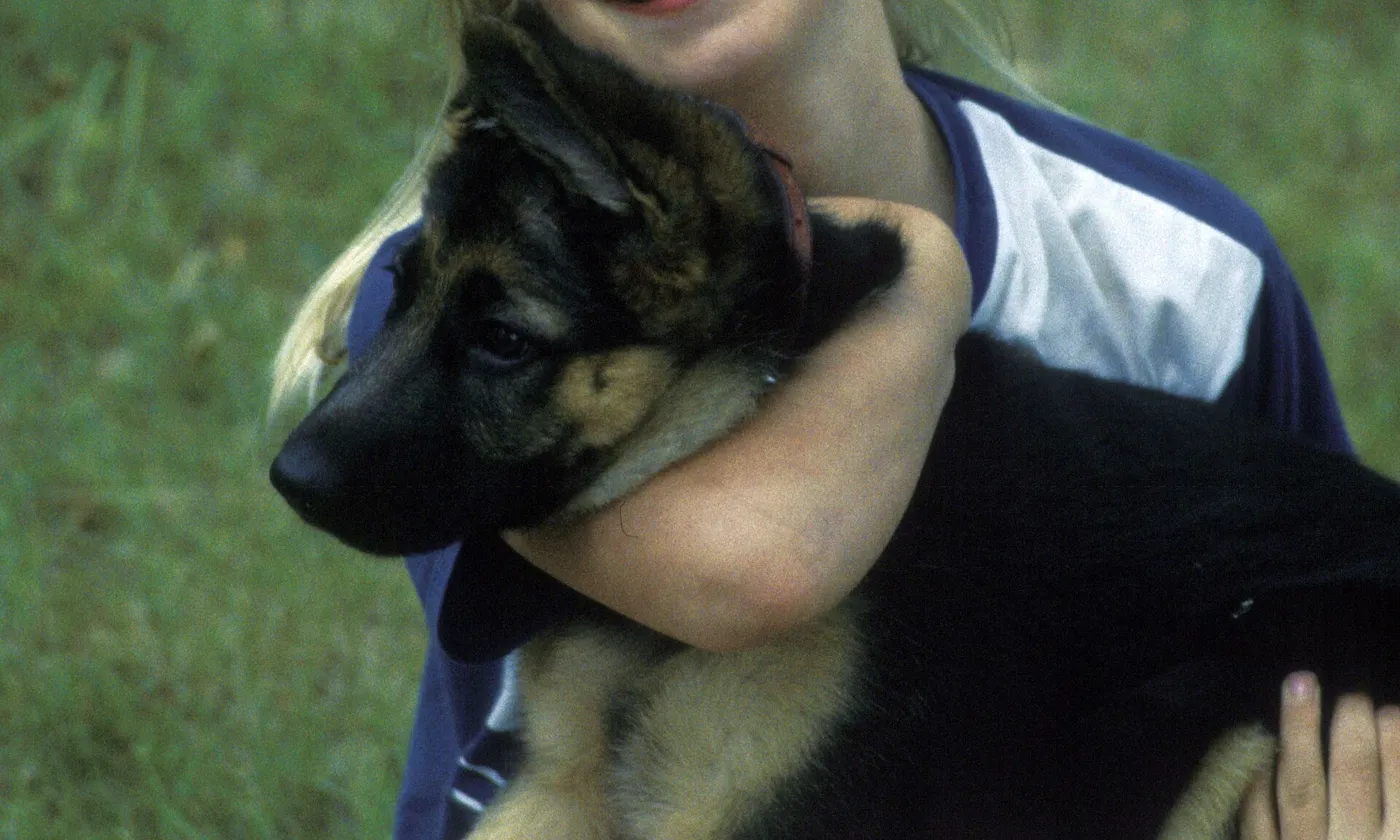

Photos show different individual dogs from licensed libraries, not one dog growing up. Stage labels are approximate, the way a careful editor would judge them.
About the German Shepherd
The German Shepherd is a brilliant, devoted working dog that asks for a job and a close bond with its handler. Shepherds excel in police, military, service and sport work. Without training, exercise and company they can become anxious or pushy, so they suit committed owners.
History
Captain Max von Stephanitz standardized the breed in Germany in 1899 from herding dogs, aiming for utility and intelligence. The breed's work in the First World War spread it worldwide.
Personality
A German Shepherd bonds with an intensity few breeds match. This is a dog that watches its people, learns the household routine in days and takes its self appointed job, guardian of home and family, entirely seriously. The mind is the headline: shepherds reason through problems, learn long chains of tasks and get bored and frustrated when the day offers nothing to think about. With their own family they are loyal, affectionate and often playful; with strangers, the well bred dog is watchful and aloof rather than friendly, and judgement about who is welcome comes from the owner, not the dog. Confidence varies by line, so choosing a breeder who produces steady nerves matters as much as any training that follows.
Temperament and traits
Energy (5/5)
Trainability (5/5)
Grooming needs (4/5)
Shedding (5/5)
Barking (4/5)
Good with children: Good with children
With other dogs: With early socialization
With strangers: Wary of strangers
Apartment life: With enough exercise
Coat and care
Coat: Medium length double coat, dense and close lying; also a long coated variety.
Colors: Black and tan, black and red, sable, and solid black are most common.
Expect heavy shedding, especially during twice yearly coat blows; brush several times a week. Feed for lean muscle, train daily in short sessions, and give the dog structured work such as tracking or obedience.
Exercise and grooming
Exercise
This breed needs 90 to 120 minutes a day, and plain lead walking is not enough on its own. Shepherds were built for all day trotting work and for thinking while they do it, so combine hiking, running where joints allow, swimming and structured activities such as tracking, scent work, obedience or protection sport foundations. A shepherd with a full work diary is calm at home; one with an empty diary invents work, and the inventions are rarely welcome. Puppies need protection from overexercise: no repetitive jumping, no long forced runs and careful stair use until growth plates close around eighteen months, especially in lines with hip problems.
Grooming
The dense double coat sheds all year and erupts twice a year in coat blows that fill brushes daily. Brush two or three times a week in normal times with a slicker and undercoat rake, and daily during the blows. Never shave the coat: the double layer insulates and protects the skin. Baths only when needed, since frequent washing strips the weatherproofing oils. The breed is prone to ear dirt build up, so check ears weekly, and keep nails short because long nails change how this heavy, active dog loads its joints. A shedding season survival kit of lint rollers is not a joke in a shepherd house.
Training and daily life
Training
Few breeds reward good training like this one, and few punish its absence as thoroughly. Shepherds learn commands in a handful of repetitions and excel at obedience, tracking and service work, but they also learn exactly where the rules are soft. The critical work is socialisation: a young shepherd needs hundreds of calm, positive exposures to people, dogs, traffic and handling so that natural wariness matures into judgement instead of reactivity. Training should be firm, fair and reward based, with clear boundaries and daily practice woven into life. Adolescent shepherds test limits, push on lead and can become mouthy and intense; owners who stay consistent through months six to twenty four get the legendary adult dog.
Living with a German Shepherd
Life with a shepherd means a devoted shadow, a serious watchdog and a fair amount of hair. They are good with their own children and protective of them, but boisterous young dogs need supervision around small kids, and visiting children should be managed because the breed takes guarding seriously. Many shepherds are selective with other dogs as adults, especially same sex, so early dog socialisation and honest management matter. Apartment life is possible only with the full exercise and work bill paid, and the breed's bark is loud and used freely. This is not a low input dog: it suits experienced, active owners who want a partner, not an ornament.
What a German Shepherd costs
Food cost
About $42 per month for a typical 70 lb adult eating roughly 3.9 cups a day of a standard quality food ($1.60 per lb). Full breakdown in our food expense calculator.
Activity and exercise
Plan 90 to 120 minutes a day of walks, play and training. Under exercised dogs of most breeds invent their own projects, and they rarely pick good ones.
Insurance cost
Typical US range $45 to $80 per month for accident and illness cover. Estimate only, based on market ranges for this breed's risk profile; see the insurance estimator and the insurance guide.
On the monthly figures above, a typical adult year runs to about $506 for food and $540 to $960 for insurance, before routine vet care, grooming and gear. Year one costs more: vaccinations, spay or neuter surgery, a crate, bedding and training all land at once.
Growth: puppy to senior
How weight typically builds with age for a large breed, and when full size arrives.
| Stage | Age | Typical weight |
|---|---|---|
| Puppy | 8 weeks | about 6 to 11 lb |
| Puppy | 4 months | about 14 to 25 lb |
| Puppy | 6 months | about 24 to 43 lb |
| Young | 9 months | about 34 to 61 lb |
| Young | 12 months | about 41 to 74 lb |
| Adult | 18 months | about 48 to 86 lb |
| Adult | 24 months | about 50 to 90 lb |
| Adult | Full grown | 50 to 90 lb (standard range) |
| Senior | From about 7 years | Healthy weight stays in the adult range; watch for slow gain or loss |
Growth pattern follows the size class growth curves published by the Waltham Petcare Science Institute, applied to the adult weight range in the breed standard. Individual puppies vary; steady growth matters more than hitting any single number, and your vet's growth checks come first.
Life stages
Puppyhood sets the whole dog: socialisation before sixteen weeks, gentle joint care, measured feeding to keep growth slow and lean, and early training of recall, lead manners and settling. Ears usually stand by six months. Adults from two to seven are at their physical and mental peak and need the work programme maintained, with weight kept lean to protect hips and elbows. The lifespan of seven to ten years is the breed's hard truth, and senior changes can come early: from about seven, watch mobility, keep muscle with gentle daily exercise, add ramps and joint support, and use twice yearly vet checks to catch problems while they are still manageable.
Health
Hip and elbow dysplasia are well known; also watch for degenerative myelopathy, bloat and exocrine pancreatic insufficiency. Look for breeders who screen hips and elbows and DNA test for DM.
Conditions to know about
- Hip dysplasia: The breed's best known problem: a loose, malformed hip that wears into arthritis. Breeding dogs should be hip scored under an official scheme, and buyers should ask for scores in writing rather than assurances.
- Elbow dysplasia: Abnormal elbow development causing front limb lameness and early arthritis. Elbow scoring of breeding stock is standard practice in responsible programmes, and young dogs that limp on a front leg need prompt X-rays.
- Degenerative myelopathy: A progressive spinal cord disease of older shepherds that weakens the hind legs over months. A DNA test identifies dogs at risk, and while there is no cure, physiotherapy and mobility aids keep dogs comfortable and mobile for longer.
- Bloat (gastric dilatation volvulus): The deep chest puts shepherds in the high risk group for this emergency, where the stomach twists and traps gas. Learn the signs, restlessness, drooling and a swollen belly, and treat it as a race to the vet.
- Exocrine pancreatic insufficiency: The pancreas fails to produce enough digestive enzymes, so food passes through undigested and the dog loses weight despite a ravenous appetite. It is managed for life with enzyme powder added to every meal.
Facts follow the German Shepherd breed standard (AKC, The Kennel Club and FCI standards agree on the essentials for this breed). Health notes summarize the conditions breed clubs and veterinary bodies most often flag for this breed. They are general information for choosing and caring, not a diagnosis or a substitute for your vet.
Gear for German Shepherd owners
Our team is hands on testing products for this guide right now. Recommendations will only appear here after real testing, and this module will always carry a plain affiliate disclosure at the top.
German Shepherd questions
How long do German Shepherds live?
A typical lifespan is 7 to 10 years. Weight control, dental care and screening for the breed's known conditions give a dog the best chance of reaching the top of that range.
How much does it cost to keep a German Shepherd?
Food for a typical adult runs about $42 a month at a standard quality tier, and accident and illness insurance usually falls between $45 and $80 a month in the US. Try the full cost calculator for a complete year one and yearly picture.
Are German Shepherds good with children?
Good with children. As with every breed, supervise dogs and children together and teach children to respect the dog's space.
How much exercise does a German Shepherd need?
Plan on 90 to 120 minutes a day, split between walks, play and training games. Puppies and seniors need gentler, shorter sessions.
Are German Shepherds aggressive?
A well bred, well socialised shepherd is confident and watchful, not aggressive. Problems usually trace to poor breeding for nerves, missing socialisation or owners who encourage guarding without control. The breed's power means those mistakes matter more than they would in a smaller dog.
How much do German Shepherds shed?
Enormously. The double coat sheds year round and blows out in drifts twice a year. Owners describe it as a lifestyle rather than a chore, and anyone who needs a hair free home should not choose this breed.
Is a German Shepherd a good first dog?
Usually not. The intelligence, strength, guarding instinct and exercise needs reward experienced handling. First time owners who commit to professional training support, real daily work and thorough socialisation can succeed, but they should know exactly what they are taking on.
Breeds similar to the German Shepherd Compare this breed with another