Eurasier
Bright, vocal, independent and cheerful. From Germany.
Non-Sportingmedium breedGermanyStandards checked
Standards checked: this profile's facts are checked against the breed standards of the AKC, The Kennel Club and the FCI, as described on our methodology page.
Gallery
Real photos from licensed sources only, each credited to its creator.
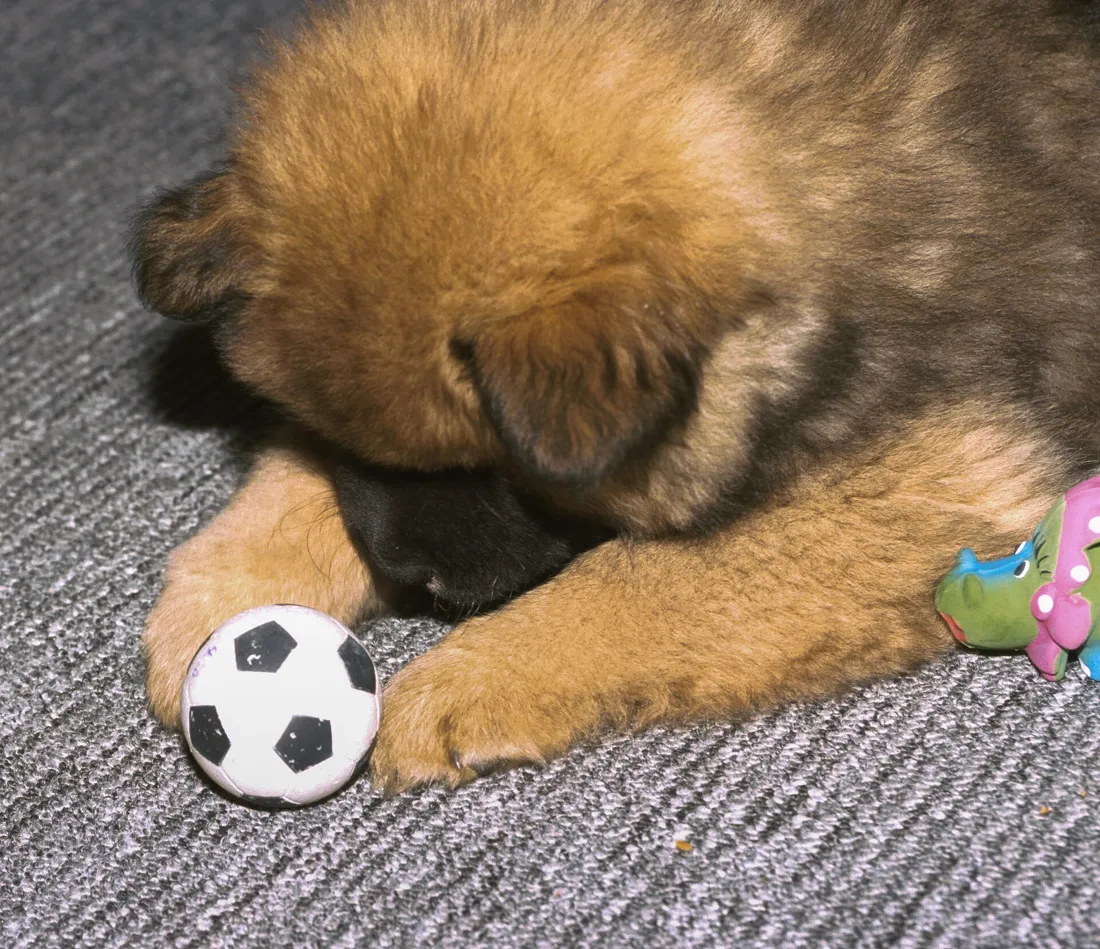

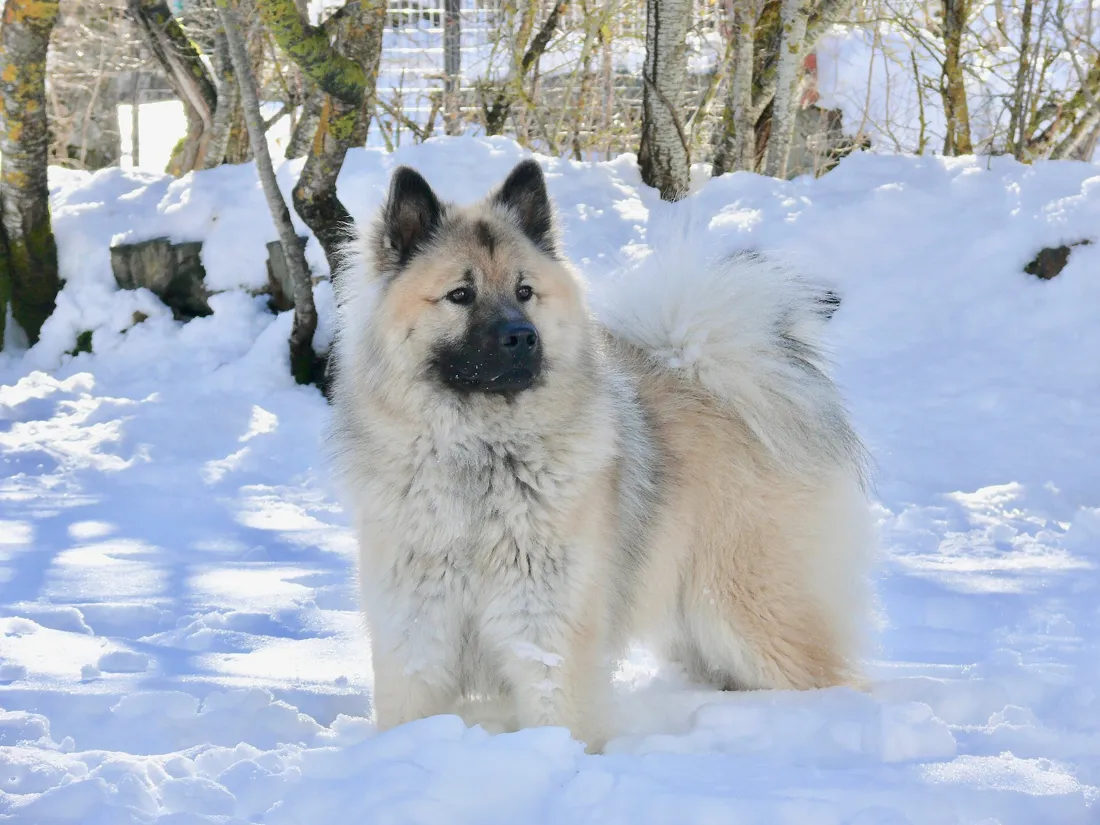

Photos show different individual dogs from licensed libraries, not one dog growing up. Stage labels are approximate, the way a careful editor would judge them.
About the Eurasier
The Eurasier is a medium sized spitz breed from Germany, developed to work as an all purpose northern farm, hunting and companion dog in a hard climate. Spitz breeds are clever, foxy and opinionated, with a double coat that multiplies at shedding season. They suit owners who like a dog that talks back a little.
History
Eurasier (Germany) is a medium sized spitz breed whose work was to work as an all purpose northern farm, hunting and companion dog in a hard climate. Its homeland kennel club keeps the register, rather than the big international bodies, which keeps numbers small and type close to the old working dogs. It is described as bright, vocal, independent and cheerful. The adult stands 19 to 24 in at the shoulder and weighs 40 to 70 lb.
Personality
Bright, vocal, independent and cheerful is the record's spitz template, and the Eurasier wears it in its mildest form: Germany's designer spitz, created by Julius Wipfel in the 1960s crossing Chow Chow with Wolfspitz and later Samoyed, selecting specifically for a calm, devoted, family temperament. Eurasiers are dignified, affectionate and notably even tempered, watchdog aware without sharpness, deeply bonded without neediness. Puppies are plush, bright charmers; adults are serene, handsome partners that supervise the household quietly. Owners describe the best tempered of the spitzes: a dog designed, successfully, to be exactly the companion it is.
Temperament and traits
Energy (4/5)
Trainability (3/5)
Grooming needs (4/5)
Shedding (3/5)
Barking (4/5)
Good with children: Good with children
With other dogs: With early socialization
With strangers: Reserved with strangers
Apartment life: With enough exercise
Coat and care
Coat: Long, thick double coat.
Colors: Standard colors: all colors and color combinations are permitted with the exception of.
Measure meals rather than free feeding; this breed does best on a routine of consistent meals, training in short sessions and daily exercise matched to its type. Long coats need brushing two or three times a week, and daily attention in mud and burr season. Never shave a double coat; it insulates in both directions. Brush through the seasonal coat blows or the undercoat felts.
Exercise and grooming
Exercise
Forty five to ninety minutes a day of calm, sociable exercise: long walks, play and training games. The Eurasier is Germany's modern spitz, deliberately created in the 1960s from Chow Chow, Wolfspitz and Samoyed stock to be the ideal family spitz, and its exercise needs are moderate and civilised by spitz standards: real walks and company rather than marathons. Puppies build up gradually. Spitz breeds are clever, foxy and opinionated, per the overview, and the Eurasier is the mellowest expression of the type. A Eurasier with its walks and its people is a serene, devoted companion; alone time, not mileage, is its pressure point.
Grooming
Long coats need brushing two or three times a week, and daily attention in mud and burr season, exactly as the care notes direct, working through the long, thick double coat. Never shave a double coat; it insulates in both directions, per the notes, and the seasonal blows should be brushed through before the undercoat felts. The coat comes in nearly every colour, per the record's generous standard line. Teeth benefit from regular brushing, ears take weekly checks under the fur, and nails need trims. Puppies need kind grooming habituation from the first weeks: this is a lifetime coated companion.
Training and daily life
Training
Eurasiers are bright and learn well with reward based training in short, varied sessions, with a spitz independence that responds to respect rather than repetition. The priorities are socialisation to keep the reserve comfortable, recall built in stages, lead manners, a settle, a quiet cue, and cooperative care for the coat. Harsh methods are counterproductive with a proud, sensitive dog. Many Eurasiers enjoy agility, obedience and therapy visiting, where the breed's calm shines. Owners describe a civilised partnership: a dog that cooperates because it approves of the arrangement.
Living with an Eurasier
The Eurasier suits calm households that want a beautiful spitz engineered for family life: devoted, dignified and unusually balanced for the type. Good with children, dog social with early work and reserved with strangers in the record's ratings, it rates flats as possible with exercise genuinely delivered. Spitz breeds suit owners who like a dog that talks back a little, per the overview, and the Eurasier talks back politely. Expect a serene, loyal shadow with a magnificent coat and a watchdog's awareness. Owners describe the spitz for people who researched spitzes carefully: all the beauty, with the edges thoughtfully rounded by design.
What an Eurasier costs
Food cost
About $35 per month for a typical 55 lb adult eating roughly 3.3 cups a day of a standard quality food ($1.60 per lb). Full breakdown in our food expense calculator.
Activity and exercise
Plan 45 to 90 minutes a day of walks, play and training. Under exercised dogs of most breeds invent their own projects, and they rarely pick good ones.
Insurance cost
Typical US range $34 to $60 per month for accident and illness cover. Estimate only, based on market ranges for this breed's risk profile; see the insurance estimator and the insurance guide.
On the monthly figures above, a typical adult year runs to about $422 for food and $408 to $720 for insurance, before routine vet care, grooming and gear. Year one costs more: vaccinations, spay or neuter surgery, a crate, bedding and training all land at once.
Growth: puppy to senior
How weight typically builds with age for a medium breed, and when full size arrives.
| Stage | Age | Typical weight |
|---|---|---|
| Puppy | 8 weeks | about 6 to 10 lb |
| Puppy | 4 months | about 13 to 22 lb |
| Young | 6 months | about 21 to 36 lb |
| Young | 9 months | about 30 to 52 lb |
| Adult | 12 months | about 35 to 62 lb |
| Adult | 18 months | about 40 to 70 lb |
| Adult | Full grown | 40 to 70 lb (standard range) |
| Senior | From about 8 years | Healthy weight stays in the adult range; watch for slow gain or loss |
Growth pattern follows the size class growth curves published by the Waltham Petcare Science Institute, applied to the adult weight range in the breed standard. Individual puppies vary; steady growth matters more than hitting any single number, and your vet's growth checks come first.
Life stages
Puppies need socialisation, grooming habituation for a lifetime coat, protected joints while growing and training foundations laid early. Adolescents are busy and increasingly dignified, and games plus consistency carry the household through. Adults enjoy a long, companionable prime: keep the coat worked through, weight lean and company plentiful. Twelve to fourteen years puts senior status around ten: twice yearly checks with hip and thyroid awareness, joint friendly exercise and continued inclusion in everything. Old Eurasiers stay serene, devoted and handsome, the dignity complete.
Health
Hip dysplasia screening and thyroid checks are the breed's standard, and the Eurasier was deliberately bred for health and temperament, which shows in a relatively clean bill of health.
Conditions to know about
- Hip dysplasia: Hip dysplasia screening is the breed's standard, per the record. Ask for scores in writing for both parents.
- Thyroid conditions: Thyroid checks join the breed's standard named in the record. Weight gain, lethargy and coat changes warrant a thyroid blood test at any age.
- A deliberately healthy breed: The Eurasier was deliberately bred for health and temperament, which shows in a relatively clean bill of health, in the record's assessment. The breed's founding health mission is maintained by breeders who keep running the standard checks.
Facts follow the Eurasier breed standard (AKC, The Kennel Club and FCI standards agree on the essentials for this breed). Health notes summarize the conditions breed clubs and veterinary bodies most often flag for this breed. They are general information for choosing and caring, not a diagnosis or a substitute for your vet.
Gear for Eurasier owners
Our team is hands on testing products for this guide right now. Recommendations will only appear here after real testing, and this module will always carry a plain affiliate disclosure at the top.
Eurasier questions
How long do Eurasiers live?
A typical lifespan is 12 to 14 years. Weight control, dental care and screening for the breed's known conditions give a dog the best chance of reaching the top of that range.
How much does it cost to keep an Eurasier?
Food for a typical adult runs about $35 a month at a standard quality tier, and accident and illness insurance usually falls between $34 and $60 a month in the US. Try the full cost calculator for a complete year one and yearly picture.
Are Eurasiers good with children?
Good with children. As with every breed, supervise dogs and children together and teach children to respect the dog's space.
How much exercise does an Eurasier need?
Plan on 45 to 90 minutes a day, split between walks, play and training games. Puppies and seniors need gentler, shorter sessions.
Why is it called the Eurasier?
The name blends Europe and Asia for its founding crosses: the European Wolfspitz with the Asian Chow Chow, later refined with Samoyed. Julius Wipfel created the breed in Germany in the 1960s specifically as a balanced family dog.
Eurasier or Chow Chow, what is the difference?
The Eurasier was designed to keep the Chow's dignity and looks while adding the Wolfspitz and Samoyed's friendlier, more trainable family temperament. It is the Chow idea, re-engineered for family life.
Are Eurasiers good apartment dogs?
Yes, with exercise delivered: calm indoors, moderate in energy and deeply people attached. Company matters more than square footage, as with all spitzes bred for companionship.
Breeds similar to the Eurasier Compare this breed with another