Home / Breeds / Doberman Pinscher
Doberman Pinscher
Loyal, fearless, alert and elegant. From Germany.
Workinglarge breedGermanyStandards checked
Standards checked: this profile's facts are checked against the breed standards of the AKC, The Kennel Club and the FCI, as described on our methodology page.
Gallery
Real photos from licensed sources only, each credited to its creator.
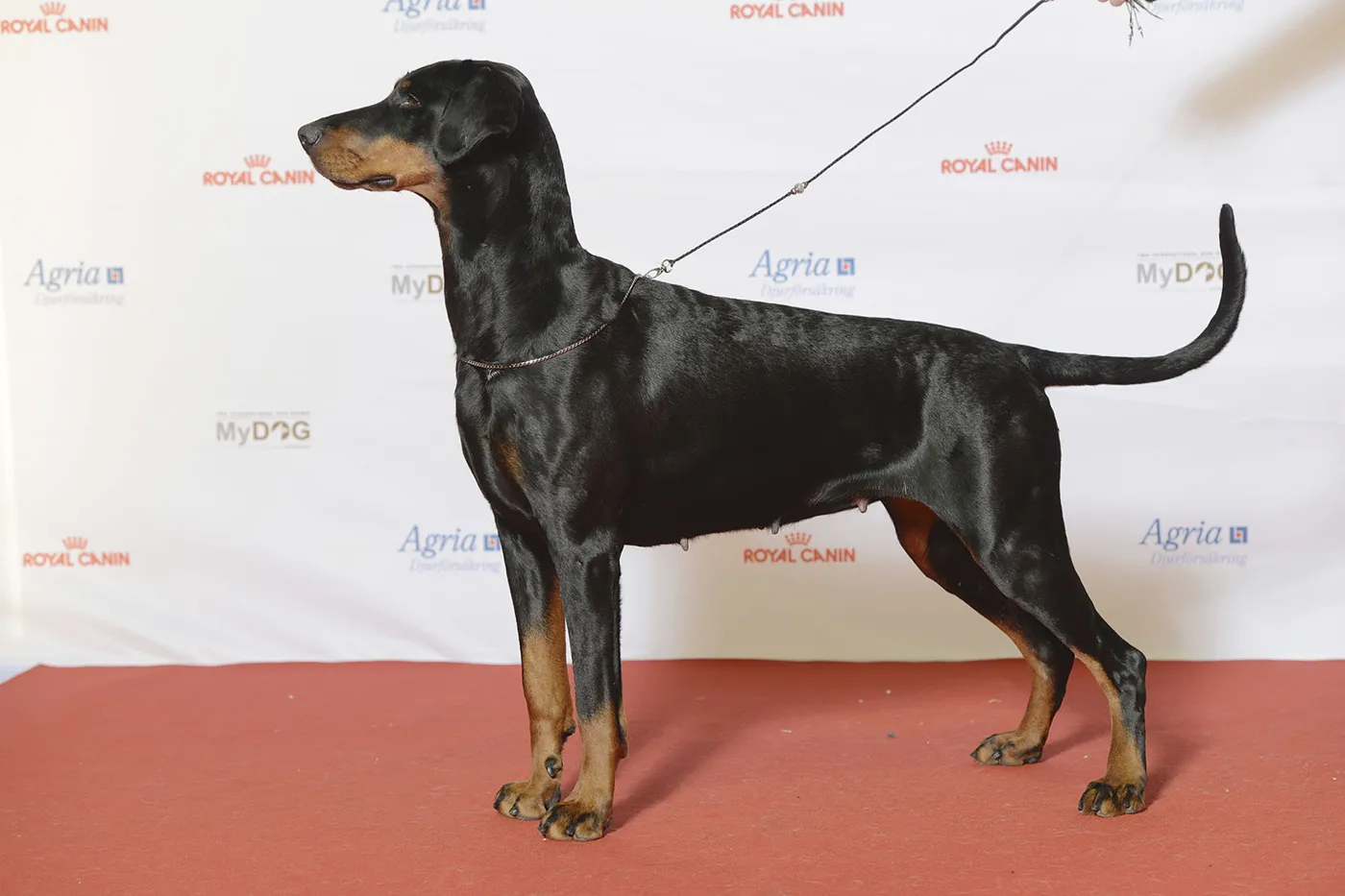

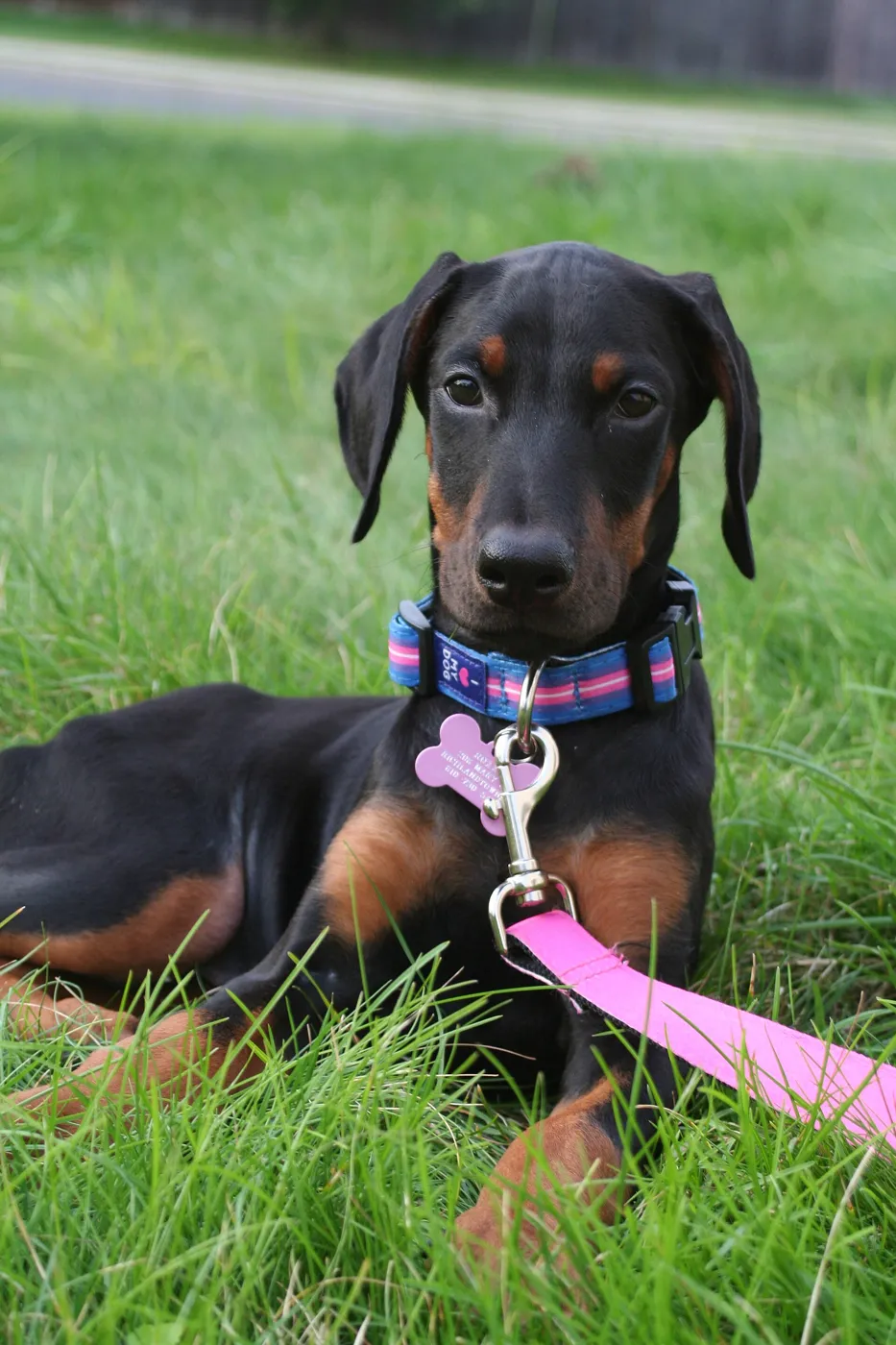

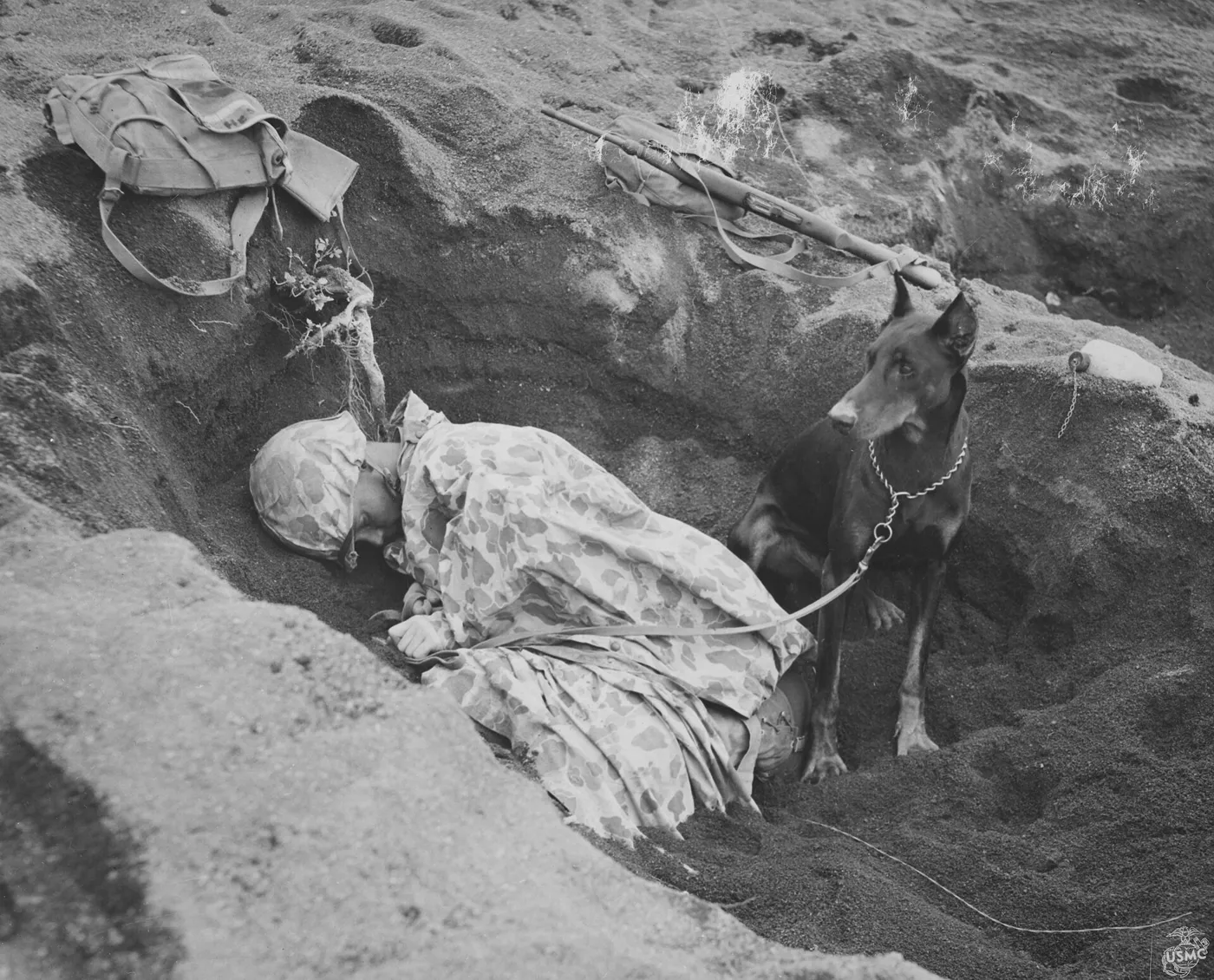

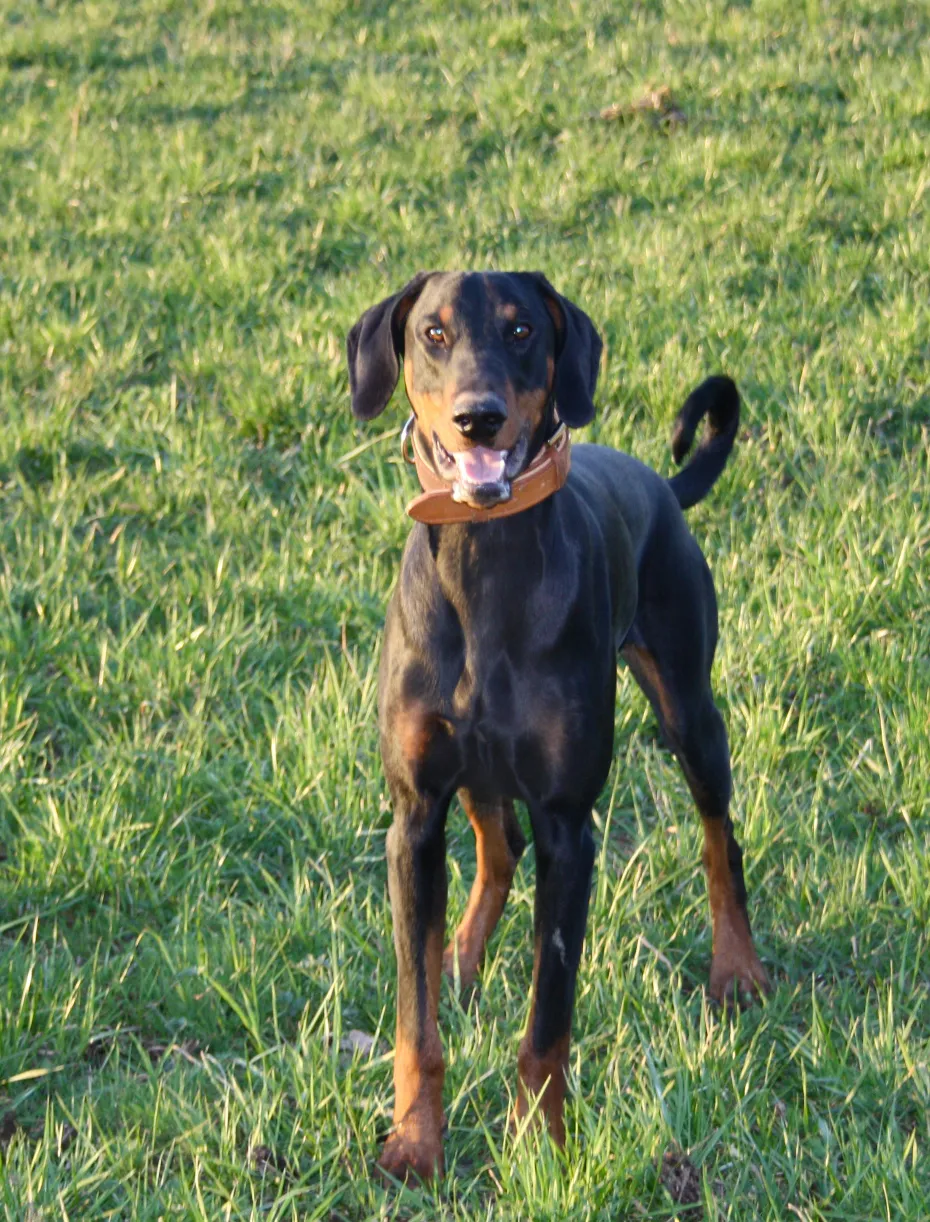

Photos show different individual dogs from licensed libraries, not one dog growing up. Stage labels are approximate, the way a careful editor would judge them.
About the Doberman Pinscher
The Doberman was designed as a personal protection dog and still takes the job seriously: loyal, watchful and velcroed to its owner. Dobies are also athletes and scholars that need serious exercise and training. With both, they are affectionate, steady family dogs.
History
In the 1890s, German tax collector Louis Dobermann, who also ran the local dog pound, set out to breed a dog that would protect him on his rounds. Rottweilers, Pinschers and other local dogs likely went into the mix.
Personality
The Doberman was designed by a man who wanted a dog that would read a situation and act, and the modern breed still carries that alert, decisive intelligence. To its family a Dobie is affectionate to the point of comedy, leaning, sitting on feet and following from room to room. To the outside world it is watchful and reserved, and its loyalty has a protective edge that needs educated handling. Dobermans are sensitive readers of their owners and do poorly with harsh or erratic treatment; under calm, consistent leadership they are steady, obedient and deeply trustworthy. Energy and brains stay high for years, and the breed asks to be a partner in everything rather than a pet that waits at home.
Temperament and traits
Energy (5/5)
Trainability (5/5)
Grooming needs (2/5)
Shedding (3/5)
Barking (4/5)
Good with children: Good with children
With other dogs: With early socialization
With strangers: Wary of strangers
Apartment life: With enough exercise
Coat and care
Coat: Short, smooth, close lying coat.
Colors: Black, red, blue and fawn, all with rust markings.
The wash and wear coat needs little. The dog needs a lot: daily hard exercise, training and company, since Dobermans bond so closely that long alone time hits them hard.
Exercise and grooming
Exercise
Ninety minutes to two hours daily is the Doberman standard, and it should include real exertion: running, hiking, swimming and training at pace. This is an athlete that was bred to work beside a human all day, and it keeps both fitness and sanity when the programme is serious. Canicross, obedience sport and tracking all suit the breed. In cold weather the thin, single coat means many Dobies need a dog coat for long outings, and heat requires the usual care. Puppies and adolescents need impact control, since bones are still growing: free play and training over forced running and repetitive jumping until grown.
Grooming
Grooming is the Doberman's gift to its owner: a weekly once over with a rubber mitt keeps the short, smooth coat gleaming and removes loose hair, and the dog is clean and low odour by nature. Add nail trims every few weeks, tooth brushing and ear checks and the job is done. The real care budget goes elsewhere: into exercise, training and company. In winter, many Dobermans need a fitted dog coat for long walks, and bedding should be soft and warm, because thin skin over bony joints develops calluses and sores on hard floors.
Training and daily life
Training
Dobermans are elite learners: fast, precise and hungry for work, with a memory that files everything, including your mistakes. Reward based training with clear structure produces spectacular obedience, and the breed shines in working trials, obedience and protection sport done properly. The non negotiables are socialisation and boundaries: a powerful guardian breed must learn early that the owner makes decisions about strangers and dogs. Adolescents are strong, intense and testing, and owners who stay calm and consistent come out with the dog of a lifetime. Dobermans shut down under bullying and thrive under fairness; train the dog in front of you with respect and it will give you everything it has.
Living with a Doberman Pinscher
The Doberman is called a velcro dog for a reason: it does not want to be in the same house as you, it wants to be touching you, and home life folds around that fact. With the exercise genuinely provided, a flat can work, because indoors the breed is clean, quiet and settled; without it, nothing works. They are devoted and gentle with their own children, take time to accept strangers and need visitors introduced properly. Dobermans suffer badly from long alone time and can become destructive with anxiety. Other dogs are accepted best with early socialisation, and same sex pairs need care. For devoted, experienced, active owners, there are few more rewarding dogs.
What a Doberman Pinscher costs
Food cost
About $47 per month for a typical 80 lb adult eating roughly 4.4 cups a day of a standard quality food ($1.60 per lb). Full breakdown in our food expense calculator.
Activity and exercise
Plan 90 to 120 minutes a day of walks, play and training. Under exercised dogs of most breeds invent their own projects, and they rarely pick good ones.
Insurance cost
Typical US range $50 to $88 per month for accident and illness cover. Estimate only, based on market ranges for this breed's risk profile; see the insurance estimator and the insurance guide.
On the monthly figures above, a typical adult year runs to about $560 for food and $600 to $1,056 for insurance, before routine vet care, grooming and gear. Year one costs more: vaccinations, spay or neuter surgery, a crate, bedding and training all land at once.
Growth: puppy to senior
How weight typically builds with age for a large breed, and when full size arrives.
| Stage | Age | Typical weight |
|---|---|---|
| Puppy | 8 weeks | about 7 to 12 lb |
| Puppy | 4 months | about 17 to 28 lb |
| Puppy | 6 months | about 29 to 48 lb |
| Young | 9 months | about 41 to 68 lb |
| Young | 12 months | about 49 to 82 lb |
| Adult | 18 months | about 57 to 95 lb |
| Adult | 24 months | about 60 to 100 lb |
| Adult | Full grown | 60 to 100 lb (standard range) |
| Senior | From about 7 years | Healthy weight stays in the adult range; watch for slow gain or loss |
Growth pattern follows the size class growth curves published by the Waltham Petcare Science Institute, applied to the adult weight range in the breed standard. Individual puppies vary; steady growth matters more than hitting any single number, and your vet's growth checks come first.
Life stages
Puppy socialisation decides the adult dog: Doberman puppies need hundreds of calm exposures to people, dogs, traffic and handling so suspicion matures into confidence. Growth is fast, so feed measured meals, keep the dog lean and protect joints until eighteen months. Adults are in a long athletic prime, and annual heart screening joins the calendar from young adulthood in this breed, not just in old age. Seniors, from around seven or eight, need weight control, warm bedding, arthritis watched for and heart checks maintained. The ten to twelve year span is precious, and Dobies usually stay devoted and engaged to the end.
Health
Dilated cardiomyopathy is the breed's leading killer and can strike without warning; yearly heart screening (Holter and echo) is essential. Also von Willebrand disease, hip dysplasia and wobbler syndrome. Buy only from heart testing breeders.
Conditions to know about
- Dilated cardiomyopathy: The breed's leading killer: the heart muscle thins and weakens, sometimes causing sudden death without warning signs. Yearly screening with a 24 hour Holter monitor and an ultrasound scan is the essential standard, and you should buy only from breeders who do it and share results.
- Von Willebrand disease: An inherited clotting disorder that can cause serious bleeding during surgery or after injury. DNA testing identifies clear, carrier and affected dogs, and vets must know the status before operating.
- Hip dysplasia: Screened by hip scoring in breeding programmes. The Doberman is generally sounder than many large breeds here, but scores should still be checked before buying a puppy.
- Wobbler syndrome: Compression of the spinal cord in the neck causes a wobbly, uncoordinated gait, usually in middle aged dogs. It is diagnosed with imaging and managed with medication or surgery depending on severity.
Facts follow the Doberman Pinscher breed standard (AKC, The Kennel Club and FCI standards agree on the essentials for this breed). Health notes summarize the conditions breed clubs and veterinary bodies most often flag for this breed. They are general information for choosing and caring, not a diagnosis or a substitute for your vet.
Gear for Doberman Pinscher owners
Our team is hands on testing products for this guide right now. Recommendations will only appear here after real testing, and this module will always carry a plain affiliate disclosure at the top.
Doberman Pinscher questions
How long do Doberman Pinschers live?
A typical lifespan is 10 to 12 years. Weight control, dental care and screening for the breed's known conditions give a dog the best chance of reaching the top of that range.
How much does it cost to keep a Doberman Pinscher?
Food for a typical adult runs about $47 a month at a standard quality tier, and accident and illness insurance usually falls between $50 and $88 a month in the US. Try the full cost calculator for a complete year one and yearly picture.
Are Doberman Pinschers good with children?
Good with children. As with every breed, supervise dogs and children together and teach children to respect the dog's space.
How much exercise does a Doberman Pinscher need?
Plan on 90 to 120 minutes a day, split between walks, play and training games. Puppies and seniors need gentler, shorter sessions.
Do Dobermans need their ears cropped and tails docked?
In most of Europe and the UK, cropping and docking are banned and the natural ear and tail are standard. Where docking remains legal it is a breeder decision made in the first days of life. A Doberman's temperament and quality have nothing to do with either procedure.
Are Dobermans good with children?
Well bred, well raised Dobermans are devoted and gentle with their own children and famously protective of them. As with any large, powerful breed, supervise interactions and teach children to respect the dog.
Do Dobermans feel the cold?
Yes. The single, short coat and low body fat mean most Dobermans are uncomfortable in cold, wet weather and appreciate a coat for winter walks and a warm indoor bed.
Breeds similar to the Doberman Pinscher Compare this breed with another