Dalmatian
Energetic, smart, dignified and outgoing. From Dalmatia, Croatia.
Non-Sportinglarge breedDalmatia, CroatiaStandards checked
Standards checked: this profile's facts are checked against the breed standards of the AKC, The Kennel Club and the FCI, as described on our methodology page.
Gallery
Real photos from licensed sources only, each credited to its creator.


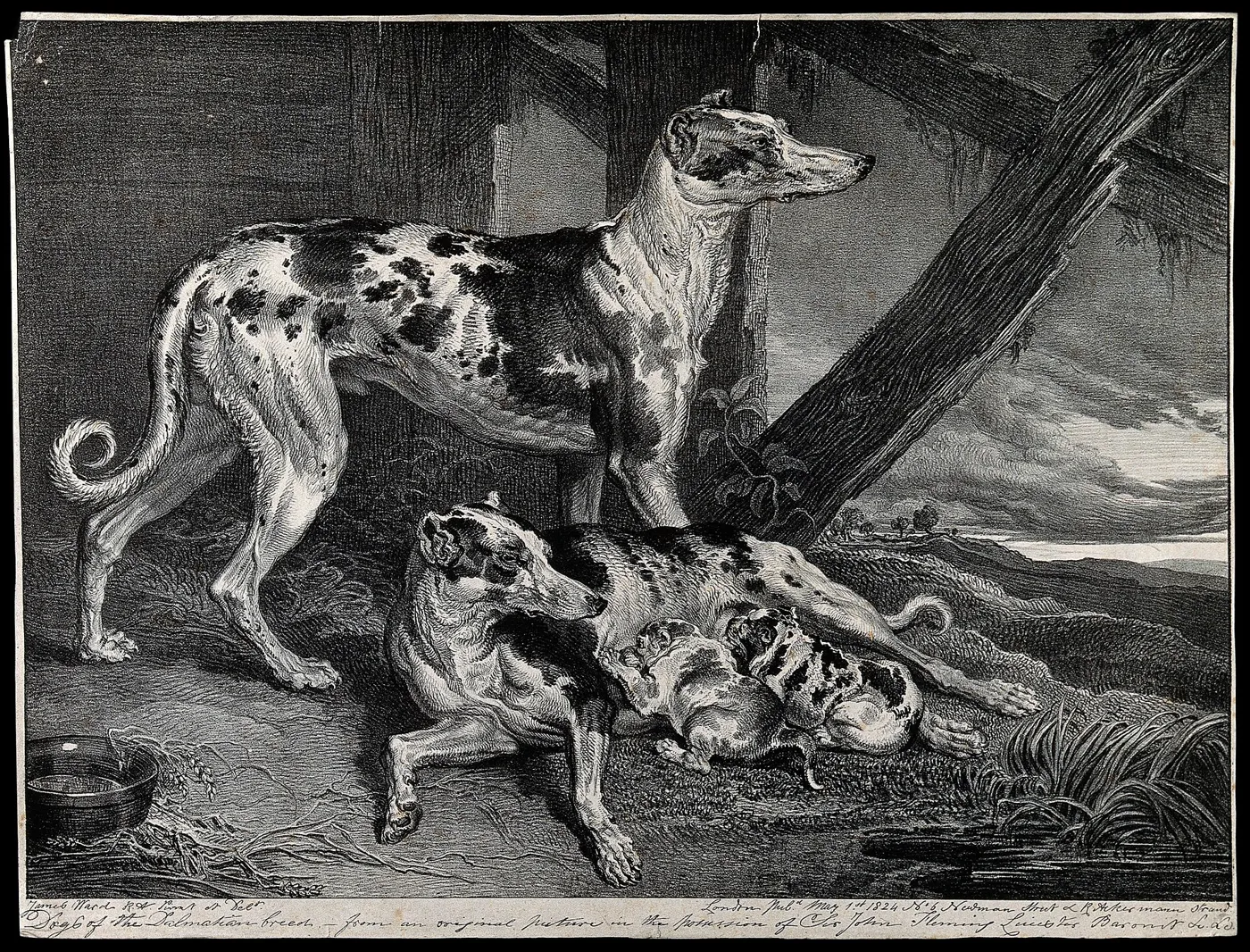

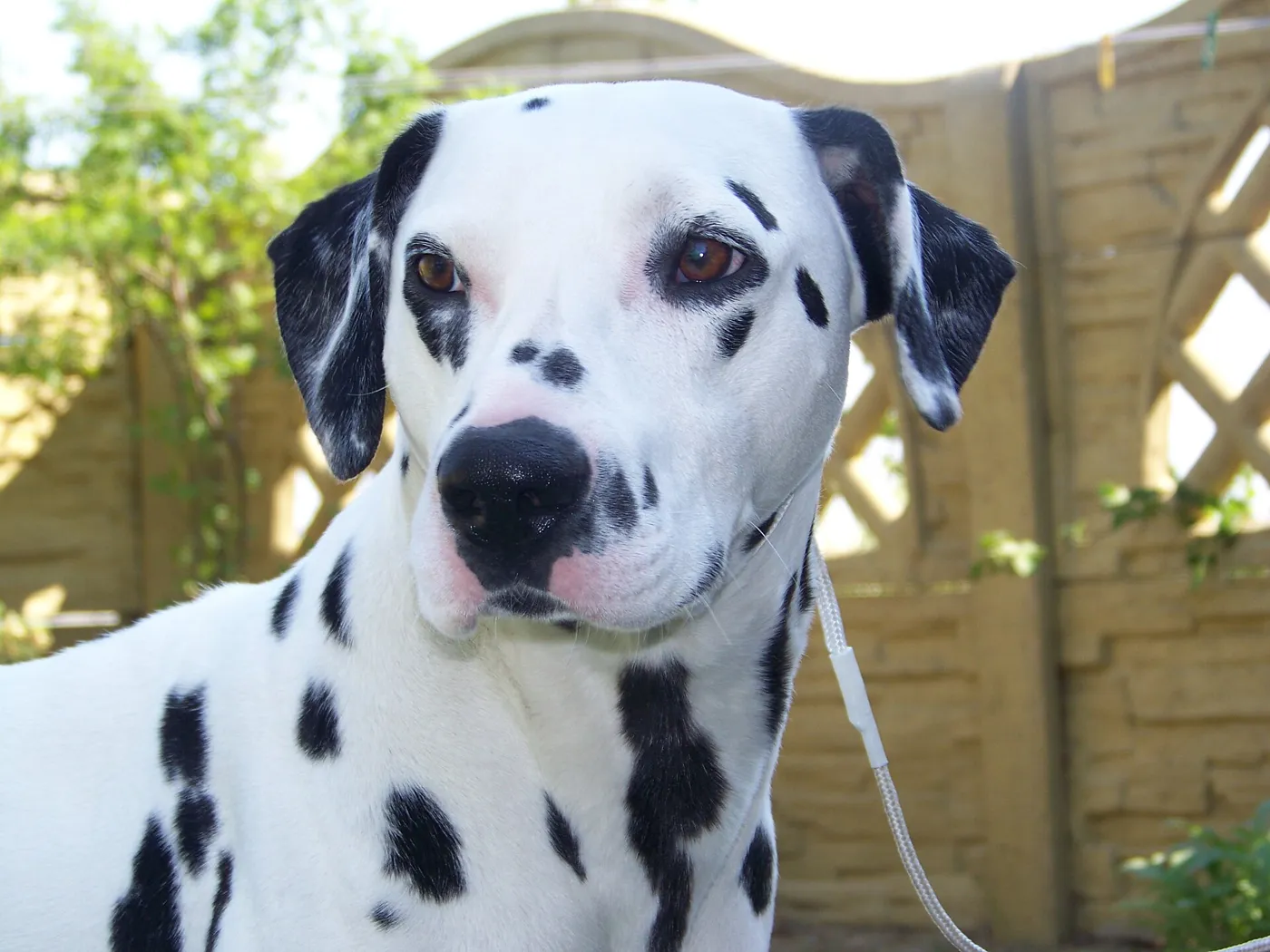

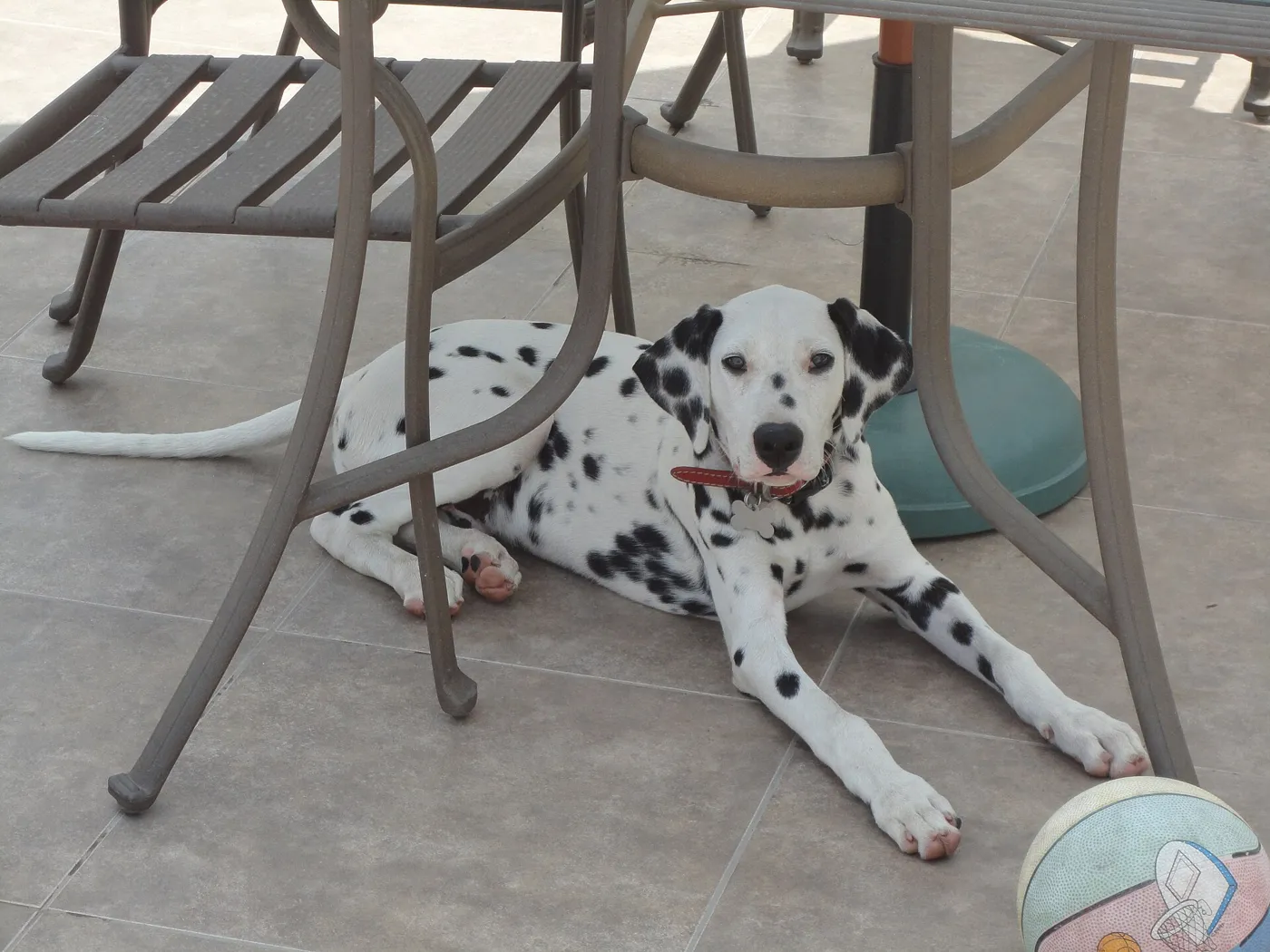

Photos show different individual dogs from licensed libraries, not one dog growing up. Stage labels are approximate, the way a careful editor would judge them.
About the Dalmatian
The spotted coach dog is a high energy athlete with a clownish streak and endless stamina. Dalmatians were bred to run beside carriages all day, and they still want miles. With enough exercise they are funny, loyal family dogs; without it, they are a demolition crew.
History
Named for Dalmatia on the Adriatic coast, the breed became famous running alongside horse drawn carriages and fire engines, guarding horses and clearing the road. The firehouse Dalmatian tradition survives today.
Personality
The Dalmatian combines a coach dog's stamina with a clown's sense of timing. Energetic, smart, dignified and outgoing, the breed was selected to work all day beside horses and carriages and then guard them at rest, and the modern dog keeps the engine, the alertness and the humour. Dalmatians bond strongly to their families, join every activity with enthusiasm and have a stubborn, independent streak that appears exactly when you forget the dog is cleverer than the routine. Puppies are spotted chaos. Adults with their exercise paid are famously funny, loyal companions, the firehouse dog that still wants to run with the horses.
Temperament and traits
Energy (5/5)
Trainability (4/5)
Grooming needs (2/5)
Shedding (4/5)
Barking (3/5)
Good with children: Good with children
With other dogs: Usually good with dogs
With strangers: Friendly with strangers
Apartment life: With enough exercise
Coat and care
Coat: Short, dense, satin smooth coat that sheds year round.
Colors: White with black or liver spots (puppies are born pure white).
Brush weekly with a mitt, all year, forever: the short white hairs embed in everything. Feed for an athlete but watch purines if your vet advises, and always provide plenty of water.
Exercise and grooming
Exercise
Sixty to ninety minutes a day is the starting point, and many Dalmatians vote for more. This breed ran beside carriages for a living and retains a road dog's stamina: running, cycling beside you, hiking and canicross all suit it, and plain walking rarely empties the tank. Mental work matters too, because a smart, under exercised Dalmatian is, in the breed's own words, a demolition crew. Puppies need protected joints and built up distances. Deafness changes the exercise logistics for affected dogs, who should be exercised on lead or in secure areas with visual and vibration cues trained from puppyhood. The payoff for full exercise is a funny, settled, loyal house dog.
Grooming
Brush weekly with a mitt, all year, forever, in the words of the breed's own care notes: the short, dense coat sheds constantly, and the stiff white hairs embed themselves in clothes, upholstery and car seats with famous determination. There is no clipping and no undercoat management, which is the trade: five easy minutes a week against hair that never stops. Baths are occasional, nails need regular trimming on a high mileage dog, ears take a weekly check and teeth benefit from brushing. Dalmatians are clean dogs with little odour, and the coat gleams on a fit dog eating well.
Training and daily life
Training
Dalmatians are intelligent, energetic and perfectly trainable by owners who are consistent and who pay the exercise bill first, because a tired Dalmatian can concentrate and a fresh one mostly cannot. Reward based training in varied sessions works well, and the breed enjoys agility, obedience and running sports. The projects are recall, which must be proofed against the dog's love of motion and game, lead manners before the strength and enthusiasm combine, and calm greetings. Deaf dogs train beautifully on sign and light cues. Socialise widely so the outgoing temperament stays confident. Harsh methods produce a stubborn shutdown; fairness and fun produce the classic companion.
Living with a Dalmatian
A Dalmatian suits active households with space, secure fencing and a genuine love of exercise, and it does not suit quiet, sedentary ones. They are good with children, usually good with other dogs and friendly and outgoing with visitors, and they make keen watchdogs in the alarm sense. Flats work only for owners who truly deliver the miles daily, because indoors the breed settles well once exercised and catastrophically when not. Expect white hair on everything, a comedy streak, occasional stubbornness and a dog that wants to join every run, ride and expedition. In the right home the Dalmatian is handsome, funny and devoted beyond measure.
What a Dalmatian costs
Food cost
About $37 per month for a typical 58 lb adult eating roughly 3.4 cups a day of a standard quality food ($1.60 per lb). Full breakdown in our food expense calculator.
Activity and exercise
Plan 60 to 90 minutes a day of walks, play and training. Under exercised dogs of most breeds invent their own projects, and they rarely pick good ones.
Insurance cost
Typical US range $36 to $62 per month for accident and illness cover. Estimate only, based on market ranges for this breed's risk profile; see the insurance estimator and the insurance guide.
On the monthly figures above, a typical adult year runs to about $440 for food and $432 to $744 for insurance, before routine vet care, grooming and gear. Year one costs more: vaccinations, spay or neuter surgery, a crate, bedding and training all land at once.
Growth: puppy to senior
How weight typically builds with age for a large breed, and when full size arrives.
| Stage | Age | Typical weight |
|---|---|---|
| Puppy | 8 weeks | about 5 to 8 lb |
| Puppy | 4 months | about 13 to 20 lb |
| Puppy | 6 months | about 22 to 34 lb |
| Young | 9 months | about 31 to 48 lb |
| Young | 12 months | about 37 to 57 lb |
| Adult | 18 months | about 43 to 66 lb |
| Adult | 24 months | about 45 to 70 lb |
| Adult | Full grown | 45 to 70 lb (standard range) |
| Senior | From about 7 years | Healthy weight stays in the adult range; watch for slow gain or loss |
Growth pattern follows the size class growth curves published by the Waltham Petcare Science Institute, applied to the adult weight range in the breed standard. Individual puppies vary; steady growth matters more than hitting any single number, and your vet's growth checks come first.
Life stages
Puppies should come with BAER hearing results, then need wide socialisation, protected joints while growing and early training of recall and lead manners before the stamina arrives. Deaf puppies need visual cue training from the start, which good breeders begin. Adolescents are athletes with a teenage brain, and structured sport and running carry the household through. Adults are in a long, vigorous prime: keep the miles up, the weight lean and the urinary system flushed with water and suitable food. From around eight to nine, seniors benefit from twice yearly checks, joint friendly exercise and continued adventure in kinder doses. Dalmatians often stay bouncy and comic deep into old age.
Health
Two breed specific issues matter: hereditary deafness (puppies should be BAER tested) and a unique uric acid metabolism that can form urinary stones, managed with diet and water. Also watch hips and eyes.
Conditions to know about
- Hereditary deafness: Dalmatians carry a known incidence of deafness in one or both ears, linked to the extreme white coat genetics. Every puppy should be BAER hearing tested before homing, and breeders should share results openly; deaf dogs live full lives with adapted handling.
- Urinary stones (urate): The breed's unique signature: Dalmatians metabolise uric acid differently from all other dogs, and urate stones can form in the bladder, sometimes blocking urine flow, which is an emergency, especially in males. Management is diet, water and monitoring, on veterinary advice.
- Hip dysplasia: The breed should be hip screened in breeding programmes, as the record notes hips among the areas to watch. Lean weight and sensible growth protect an athlete's joints.
- Eye conditions: Eye checks complete the watch list for the breed. Ask breeders for current certificates and mention any vision changes in your dog promptly.
Facts follow the Dalmatian breed standard (AKC, The Kennel Club and FCI standards agree on the essentials for this breed). Health notes summarize the conditions breed clubs and veterinary bodies most often flag for this breed. They are general information for choosing and caring, not a diagnosis or a substitute for your vet.
Gear for Dalmatian owners
Our team is hands on testing products for this guide right now. Recommendations will only appear here after real testing, and this module will always carry a plain affiliate disclosure at the top.
Dalmatian questions
How long do Dalmatians live?
A typical lifespan is 11 to 13 years. Weight control, dental care and screening for the breed's known conditions give a dog the best chance of reaching the top of that range.
How much does it cost to keep a Dalmatian?
Food for a typical adult runs about $37 a month at a standard quality tier, and accident and illness insurance usually falls between $36 and $62 a month in the US. Try the full cost calculator for a complete year one and yearly picture.
Are Dalmatians good with children?
Good with children. As with every breed, supervise dogs and children together and teach children to respect the dog's space.
How much exercise does a Dalmatian need?
Plan on 60 to 90 minutes a day, split between walks, play and training games. Puppies and seniors need gentler, shorter sessions.
Are Dalmatian puppies born with spots?
No, they are born pure white. The spots emerge over the first few weeks of life and continue developing through the first months, which is why very young puppies look like small white mice rather than spotted dogs.
Can deaf Dalmatians live normal lives?
Yes, with adapted handling: sign and vibration cues instead of voice, secure areas instead of off lead freedom and owners who manage the dog's world visually. Deaf Dalmatians are as loyal and trainable as hearing ones.
Why do Dalmatians need a special diet?
The breed processes uric acid differently from every other breed, which can lead to urinary stones. Many owners feed a lower purine diet and keep water flowing freely, on their vet's advice, to keep the urinary system flushed and safe.
Breeds similar to the Dalmatian Compare this breed with another