Dachshund
Clever, brave, stubborn and devoted. From Germany.
Houndsmall breedGermanyStandards checked
Standards checked: this profile's facts are checked against the breed standards of the AKC, The Kennel Club and the FCI, as described on our methodology page.
Gallery
Real photos from licensed sources only, each credited to its creator.
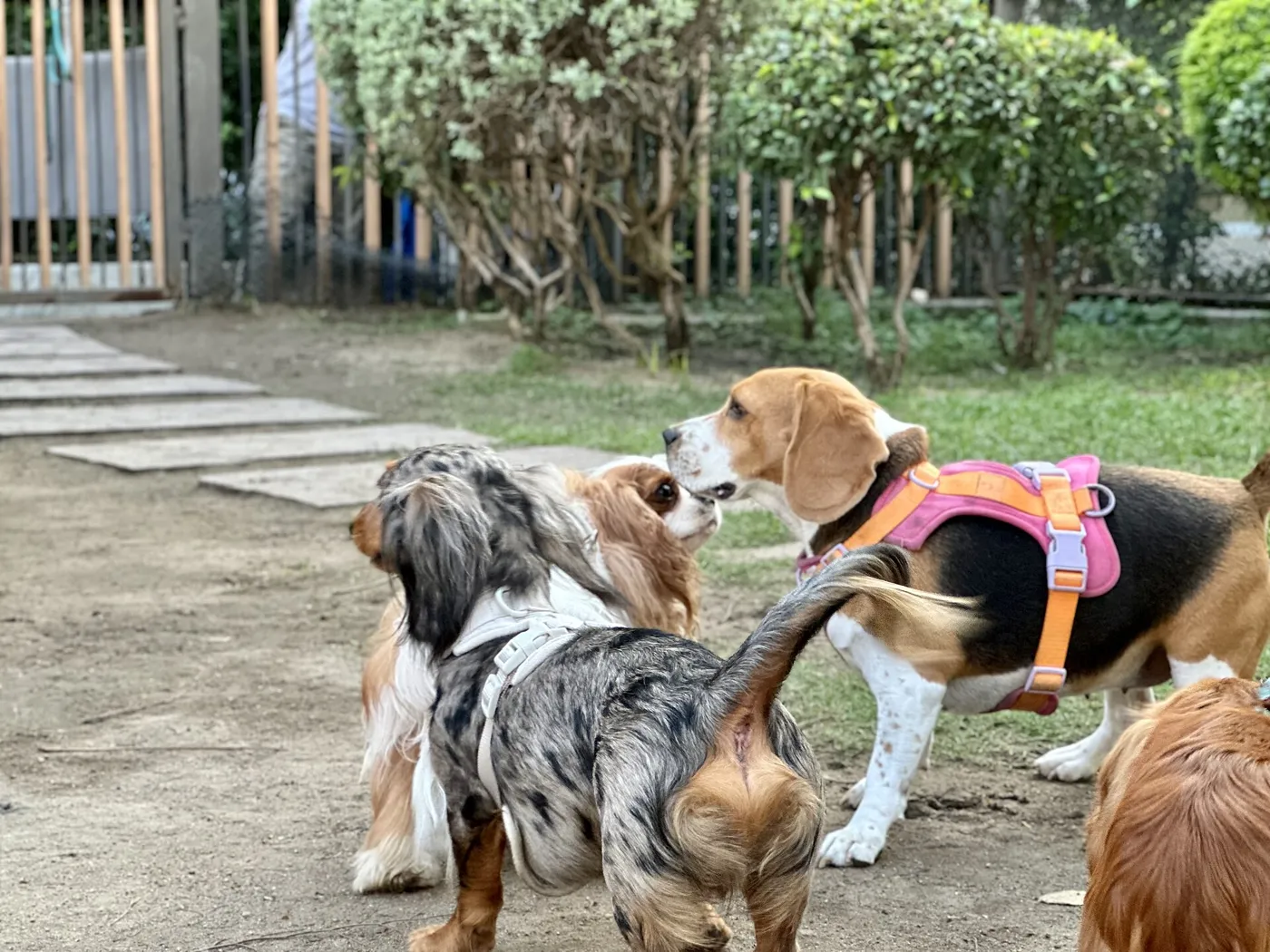


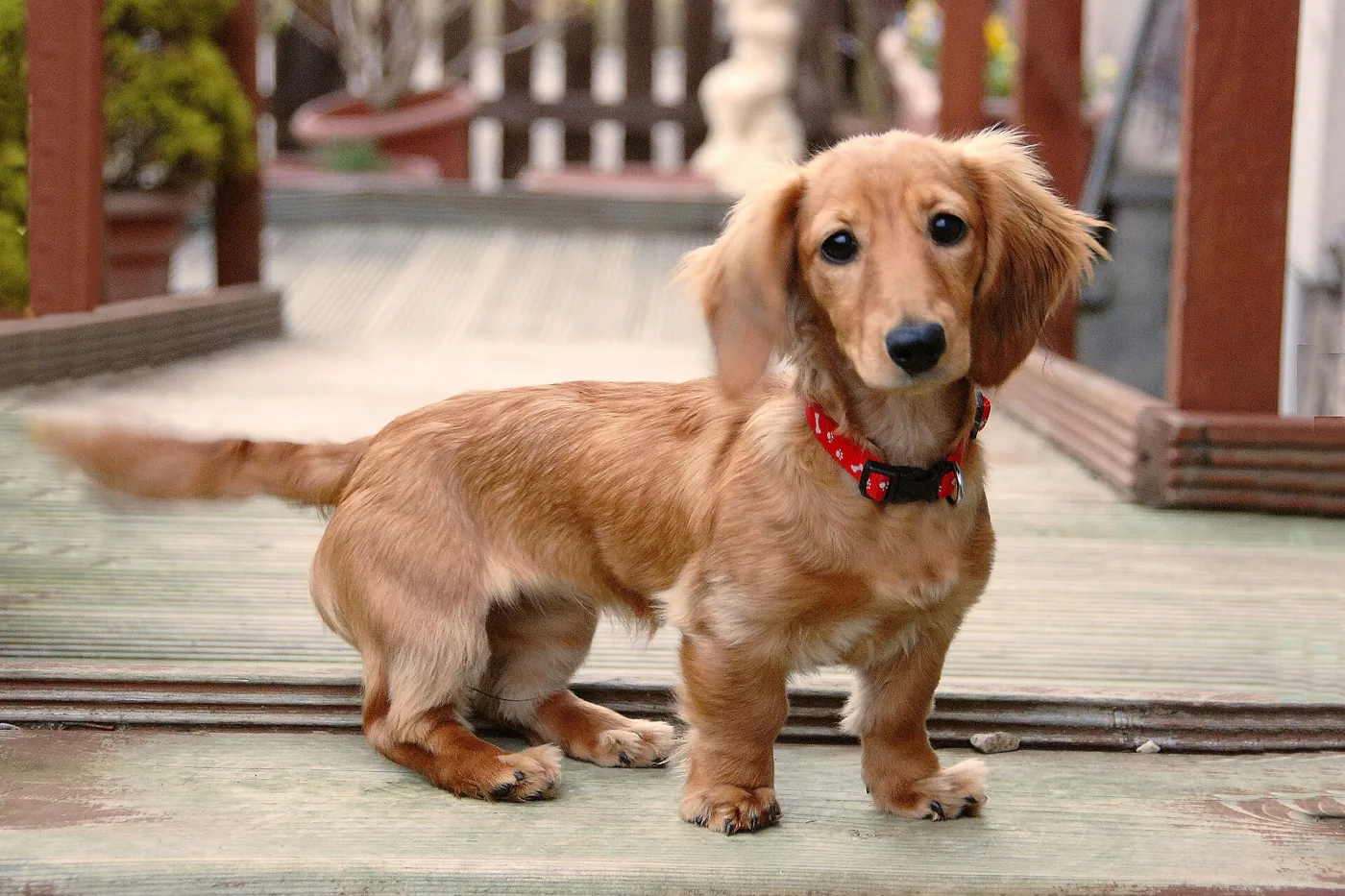



Photos show different individual dogs from licensed libraries, not one dog growing up. Stage labels are approximate, the way a careful editor would judge them.
About the Dachshund
Built long and low to follow badgers underground, the Dachshund is a big dog in a small, elongated package. Dachshunds are clever, comical and famously stubborn, with a loud bark and a strong hunting streak. Miniatures (under 11 lb) share the same character in a smaller size.
History
German foresters developed the breed over several centuries to hunt badgers and other burrowing animals; dachs means badger in German. Smooth, wire and long coats were bred for different terrain and weather.
Personality
Nobody told the Dachshund it is small. Bred to go down a hole and fight a badger, it carries a big dog's courage, opinions and prey drive in a long, low body. Dachshunds are devoted to their chosen people, comic in their routines and deeply stubborn when their plans differ from yours. Expect a dog that burrows under blankets, patrols the garden with total seriousness and offers a running commentary in a bark several sizes too big for it. They are clever problem solvers, especially where food is involved, and they bond closely, often with one favourite person. Owners who laugh at the stubborn streak and manage it with patience get one of the most entertaining companions in the dog world.
Temperament and traits
Energy (3/5)
Trainability (3/5)
Grooming needs (3/5)
Shedding (3/5)
Barking (5/5)
Good with children: Better with older children
With other dogs: Usually good with dogs
With strangers: Alert with strangers
Apartment life: Well suited
Coat and care
Coat: Smooth, longhaired or wirehaired, all in the same long, low shape.
Colors: Red, black and tan, chocolate, dapple and more, in one or two colors.
The long spine is the priority: keep the dog slim, build strength with daily walks, and discourage jumping off furniture with ramps. Coat care depends on type; wire coats need hand stripping.
Exercise and grooming
Exercise
Thirty to forty five minutes a day of walking, split into two outings, plus play and scent games keeps a Dachshund fit, and fitness is back care in this breed. Strong muscles support the long spine, while fat loads it. Let the dog sniff and track: nose work is the breed's heritage and tires it happily. Avoid repeated stairs, jumping off sofas and beds, and rough play that twists the back; provide ramps to favourite spots and teach the dog to use them. Puppies should build up walks gradually and skip stair climbing until their backs and joints mature. Swimming in short, supported sessions suits some Dachshunds as low impact exercise.
Grooming
Care depends on which of the three coats your dog wears. Smooth coats need little more than a weekly once over with a soft brush and a bath when muddy. Longhaired coats need brushing two or three times a week to stop feathering on the ears, chest and tail tangling. Wirehaired coats need hand stripping a couple of times a year to keep the harsh texture, or clipping if you accept a softer coat. All Dachshunds need regular nail trims, because light dogs wear nails down slowly, and dental care matters: small, crowded mouths build tartar fast. Check the long ears weekly and keep them clean and dry.
Training and daily life
Training
Dachshunds are intelligent and entirely capable of learning; the question is whether they see the point. Training succeeds when it is short, frequent and paid in high value food, and when the dog thinks the good idea was its own. Housetraining is the famous hurdle: small bladders, low bellies in wet grass and strong opinions mean accidents happen for months unless the routine is strict and praise is instant. Barking needs early management, because the breed defaults to announcing everything. Recall must be proofed carefully around scent and prey, and many Dachshunds are safest on a long line in open country. Scent games and digging boxes give the hunting brain legal work.
Living with a Dachshund
For flats and small houses the Dachshund is nearly ideal in size and exercise needs, with one loud exception: the bark. Sound carries, neighbours hear it, and bark management matters more in an apartment than the dog's size does. They suit older children who respect a small dog's body and back; toddlers who fall on dogs are a poor match while the dog is young. Most live happily with other dogs, especially their own kind, while small pets such as rabbits are at real risk from the prey drive. Life with a Dachshund includes ramps by the sofa, blankets burrowed into on every chair and a warm, determined little dog asleep against you by evening.
What a Dachshund costs
Food cost
About $19 per month for a typical 24 lb adult eating roughly 1.8 cups a day of a standard quality food ($1.60 per lb). Full breakdown in our food expense calculator.
Activity and exercise
Plan 30 to 45 minutes a day of walks, play and training. Under exercised dogs of most breeds invent their own projects, and they rarely pick good ones.
Insurance cost
Typical US range $30 to $55 per month for accident and illness cover. Estimate only, based on market ranges for this breed's risk profile; see the insurance estimator and the insurance guide.
On the monthly figures above, a typical adult year runs to about $227 for food and $360 to $660 for insurance, before routine vet care, grooming and gear. Year one costs more: vaccinations, spay or neuter surgery, a crate, bedding and training all land at once.
Growth: puppy to senior
How weight typically builds with age for a small breed, and when full size arrives.
| Stage | Age | Typical weight |
|---|---|---|
| Puppy | 8 weeks | about 3 to 5 lb |
| Puppy | 4 months | about 6 to 12 lb |
| Young | 6 months | about 9 to 19 lb |
| Young | 9 months | about 12 to 25 lb |
| Adult | 12 months | about 15 to 29 lb |
| Adult | Full grown | 16 to 32 lb (standard range) |
| Senior | From about 10 years | Healthy weight stays in the adult range; watch for slow gain or loss |
Growth pattern follows the size class growth curves published by the Waltham Petcare Science Institute, applied to the adult weight range in the breed standard. Individual puppies vary; steady growth matters more than hitting any single number, and your vet's growth checks come first.
Life stages
Puppies need gentle handling that supports the whole back, early socialisation to prevent the breed's wary streak becoming snappiness, and patience with housetraining. Keep youngsters slim and fit rather than round, because growth is when the spine is most vulnerable. Adults enjoy a long prime, and the lifelong rules are weight control, muscle maintenance and no furniture launching. Dachshunds commonly live twelve to sixteen years, so the senior chapter is long: from about ten years, add twice yearly vet checks, keep walks regular but shorter, watch for back pain signs such as reluctance to jump or a hunched posture, and keep on top of dental health, which often needs attention in old age.
Health
Intervertebral disc disease is the breed's major risk, affecting roughly one in four. Weight control and fitness are the best prevention owners control. Also watch for epilepsy, eye disease and patellar luxation.
Conditions to know about
- Intervertebral disc disease: The breed's major risk, affecting roughly one in four Dachshunds: a disc in the long spine bulges or bursts, causing pain or paralysis. Keeping the dog slim and fit is the best prevention owners control, and sudden back pain or wobbly legs is always an emergency.
- Epilepsy: Seizure disorders occur in the breed more than average. Most epileptic Dachshunds are managed well on daily medication once a vet has ruled out other causes, and a seizure diary helps treatment stay on track.
- Eye disease: Progressive retinal atrophy and other inherited eye conditions appear in the breed, with DNA tests available for the main forms. Breeders should test, and owners should report night blindness or bumping into things in dim light.
- Patellar luxation: The kneecap slips out of its groove, causing a skipping gait in a back leg. Mild cases are managed with weight control and muscle building, while severe or painful cases need surgery, which is usually very successful.
Facts follow the Dachshund breed standard (AKC, The Kennel Club and FCI standards agree on the essentials for this breed). Health notes summarize the conditions breed clubs and veterinary bodies most often flag for this breed. They are general information for choosing and caring, not a diagnosis or a substitute for your vet.
Gear for Dachshund owners
Our team is hands on testing products for this guide right now. Recommendations will only appear here after real testing, and this module will always carry a plain affiliate disclosure at the top.
Dachshund questions
How long do Dachshunds live?
A typical lifespan is 12 to 16 years. Weight control, dental care and screening for the breed's known conditions give a dog the best chance of reaching the top of that range.
How much does it cost to keep a Dachshund?
Food for a typical adult runs about $19 a month at a standard quality tier, and accident and illness insurance usually falls between $30 and $55 a month in the US. Try the full cost calculator for a complete year one and yearly picture.
Are Dachshunds good with children?
Better with older children. As with every breed, supervise dogs and children together and teach children to respect the dog's space.
How much exercise does a Dachshund need?
Plan on 30 to 45 minutes a day, split between walks, play and training games. Puppies and seniors need gentler, shorter sessions.
Why is my Dachshund so hard to housetrain?
You are not imagining it: the breed is famous for slow housetraining. The combination of a small bladder, dislike of wet and cold weather and a strong independent streak means the routine has to be strict, trips outside frequent and success rewarded instantly for months, not weeks.
Can Dachshunds live in a flat with stairs?
They can, but the stairs are the issue, not the flat. Repeated stair climbing and jumping loads the long spine. Carry puppies on stairs, use ramps for furniture and ideally keep daily living on one level.
Do Dachshunds bark a lot?
Yes. The breed was developed to announce itself underground, and the bark is startlingly loud for the size. Early training to a quiet cue and enough mental work reduce it, but a silent Dachshund is not a realistic expectation.
Breeds similar to the Dachshund Compare this breed with another