Home / Breeds / Clumber Spaniel
Clumber Spaniel
Merry, affectionate, busy and people loving. From England.
Sportinglarge breedEnglandStandards checked
Standards checked: this profile's facts are checked against the breed standards of the AKC, The Kennel Club and the FCI, as described on our methodology page.
Gallery
Real photos from licensed sources only, each credited to its creator.


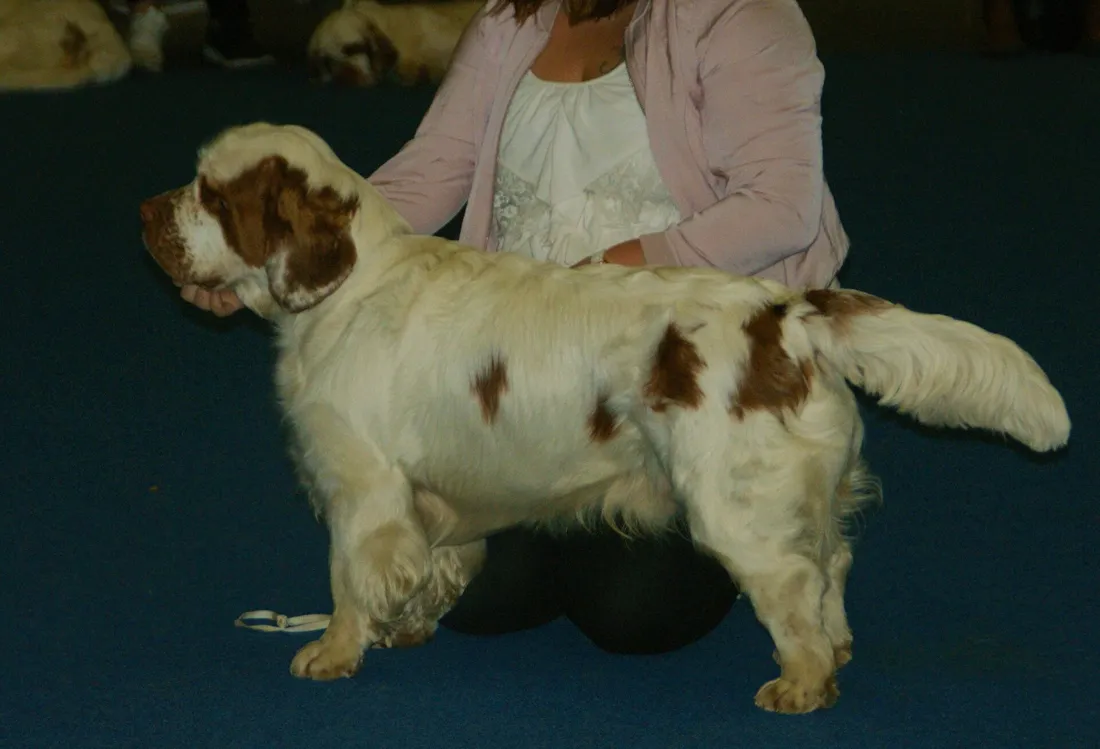

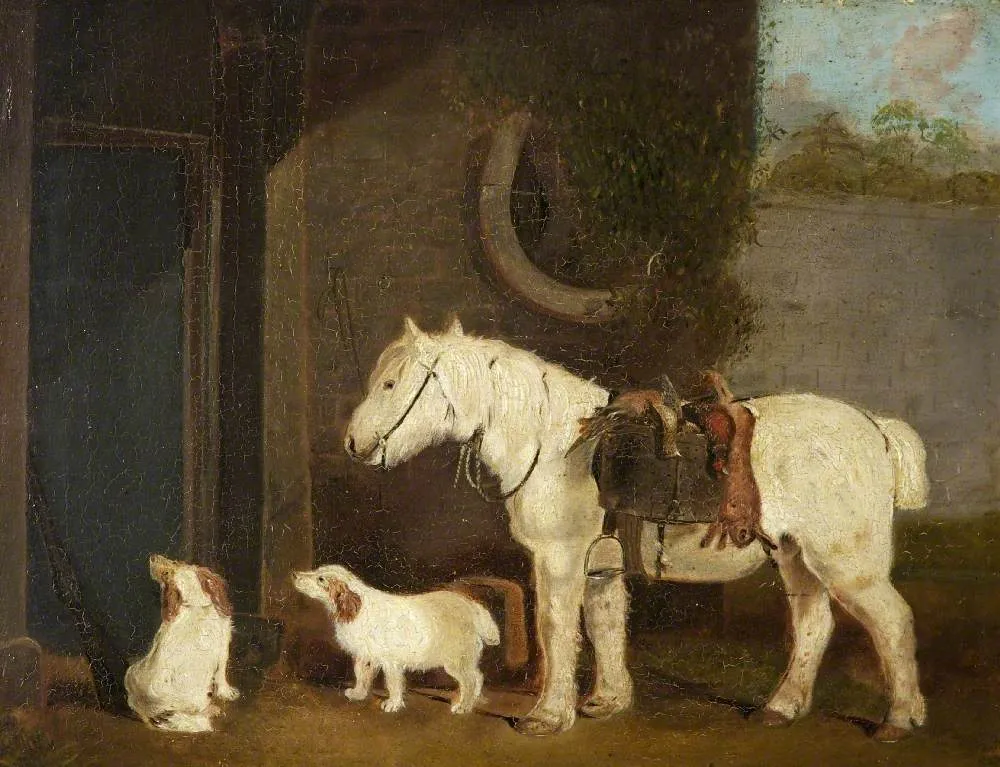

Photos show different individual dogs from licensed libraries, not one dog growing up. Stage labels are approximate, the way a careful editor would judge them.
About the Clumber Spaniel
The Clumber Spaniel is a large flushing spaniel from England, developed to work close to the gun, flushing game from hedgerows and cover and retrieving it. Spaniels are busy little optimists who bond hard to their people; they need company, games and muddy walks in roughly equal measure.
History
Dense, straight, weather resistant double coat, silky in texture, with feathering on the chest, legs and belly. That coat suits a dog shaped in England to work close to the gun, flushing game from hedgerows and cover and retrieving it. The breed holds AKC recognition, so its standard is set in the United States as well as in its homeland. The adult stands 17 to 20 in at the shoulder and weighs 55 to 85 lb.
Personality
Merry, affectionate, busy and people loving is the record's Clumber, the largest and most dignified of the spaniels: a heavy, thoughtful flushing dog bred for the densest cover on England's great estates. Clumbers work slowly and thoroughly, nose down, rolling gait, and live with a calm, almost philosophical sweetness that sets them apart from their racier cousins. They bond hard to their people, in the spaniel way, and are famously gentle and tolerant. Puppies are sturdy, solemn charmers; adults are steady, affectionate companions with a dry humour and a dignified presence that owners find deeply restful. This is the spaniel at its most substantial and serene.
Temperament and traits
Energy (3/5)
Trainability (4/5)
Grooming needs (3/5)
Shedding (3/5)
Barking (3/5)
Good with children: Good with children
With other dogs: Good with dogs
With strangers: Friendly with strangers
Apartment life: With enough exercise
Coat and care
Coat: Dense, straight, weather resistant double coat, silky in texture, with feathering on the chest, legs and belly. It sheds steadily and needs brushing a few times a week.
Colors: The standard accepts a range of colors and patterns, and individual markings vary a lot.
Feed to a visible waist tuck and weigh monthly; this breed does best on a routine of consistent meals, training in short sessions and daily exercise matched to its type. Brush weekly and check ears, teeth and nails as part of the routine. Check the long ears after every wet walk and keep them clean and dry inside; spaniel ears are the breed's one predictable weak spot.
Exercise and grooming
Exercise
Sixty to ninety minutes a day of steady, purposeful exercise: the Clumber is the heaviest of the spaniels, a slow, thorough worker built to push through the densest cover, and it needs real walks, retrieving and scent games rather than speed. Spaniels are busy optimists who bond hard to their people, per the overview: they need company, games and muddy walks in roughly equal measure. Puppies build up gradually, and weight is the standing battle in a heavy, food loving spaniel, so exercise and measured meals run together. A worked Clumber is a merry, affectionate house dog with a famously dignified roll to its gait; an unworked one is a very solid problem.
Grooming
Brush weekly and check ears, teeth and nails as part of the routine, per the care notes, working through the dense, silky coat and the feathering so it does not felt, especially behind ears and in the armpits of a low slung, heavy dog. Check the long ears after every wet walk and keep them clean and dry inside, exactly as the care notes insist, because spaniel ears are the breed's one predictable weak spot. Baths follow muddy expeditions, which in a Clumber's life is most expeditions. Add nail trims and tooth brushing. The total is moderate and buys a gleaming, lemon marked coat over a very substantial dog.
Training and daily life
Training
Clumbers are bright, willing pupils that learn well with patient, reward based training and a sense of humour: they are thinkers that work at their own thoughtful pace, and rushing or harshness simply slows the whole process down. The priorities are recall, built carefully around the nose; retrieving to hand; lead manners; a settle; and cooperative care for ears and coat. Socialise widely so the affability matures with manners. Gundog training suits the breed perfectly at its own tempo. Owners who train at the Clumber's pace describe a partnership of unusual charm: a dog that decides the lesson is worthwhile and then gives it everything.
Living with a Clumber Spaniel
The Clumber suits kind, active households that want the most substantial and dignified of the spaniels. Merry, affectionate and people loving in the record's words, good with children, good with other dogs and friendly with strangers, it rates flats as possible in the record only with the full exercise genuinely delivered, and honestly the Clumber belongs where there are fields and sofas of size. Expect a slow, thoughtful worker, a loyal shadow and a dog that regards mud as a spa treatment. Clumber owners are a devoted minority who describe the breed as the spaniel for people who prefer their joy at a dignified pace.
What a Clumber Spaniel costs
Food cost
About $42 per month for a typical 70 lb adult eating roughly 3.9 cups a day of a standard quality food ($1.60 per lb). Full breakdown in our food expense calculator.
Activity and exercise
Plan 60 to 90 minutes a day of walks, play and training. Under exercised dogs of most breeds invent their own projects, and they rarely pick good ones.
Insurance cost
Typical US range $41 to $75 per month for accident and illness cover. Estimate only, based on market ranges for this breed's risk profile; see the insurance estimator and the insurance guide.
On the monthly figures above, a typical adult year runs to about $506 for food and $492 to $900 for insurance, before routine vet care, grooming and gear. Year one costs more: vaccinations, spay or neuter surgery, a crate, bedding and training all land at once.
Growth: puppy to senior
How weight typically builds with age for a large breed, and when full size arrives.
| Stage | Age | Typical weight |
|---|---|---|
| Puppy | 8 weeks | about 7 to 10 lb |
| Puppy | 4 months | about 15 to 24 lb |
| Puppy | 6 months | about 26 to 41 lb |
| Young | 9 months | about 37 to 58 lb |
| Young | 12 months | about 45 to 70 lb |
| Adult | 18 months | about 52 to 81 lb |
| Adult | 24 months | about 55 to 85 lb |
| Adult | Full grown | 55 to 85 lb (standard range) |
| Senior | From about 7 years | Healthy weight stays in the adult range; watch for slow gain or loss |
Growth pattern follows the size class growth curves published by the Waltham Petcare Science Institute, applied to the adult weight range in the breed standard. Individual puppies vary; steady growth matters more than hitting any single number, and your vet's growth checks come first.
Life stages
Puppies need socialisation, ear care habituation, gradual exercise building on a heavy frame and early retrieving games. Adolescents are strong, kind and occasionally nose deaf, and structured work carries the household through. Adults enjoy a sturdy prime: keep weight honestly lean, ears guarded after wet walks and hips in mind. Ten to twelve years puts senior status around nine: twice yearly checks, joint friendly exercise and continued gentle retrieving. Old Clumbers stay merry, devoted and dignified, still checking the hedgerows at their own thoughtful pace.
Health
Hip dysplasia has historically been a real problem in Clumbers, so scores matter. An exercise induced collapse gene (PDP1) is DNA tested, and eyelid checks are standard. Ask to see health test results for both parents before you commit to a puppy; a good breeder will offer them before you ask.
Conditions to know about
- Hip dysplasia: Hip dysplasia has historically been a real problem in Clumbers, so scores matter, stated plainly in the record. Ask for both parents' hip scores in writing and choose breeders who breed for sound hips as a priority.
- Exercise induced collapse (PDP1): An exercise induced collapse gene, PDP1, is DNA tested in the breed, per the record. Ask for both parents' DNA results.
- Eyelid problems: Eyelid checks are standard in the breed, per the record, because the heavy head and loose skin can turn lids in or out. Persistent squinting or discharge needs prompt attention.
- Ear infections: Spaniel ears are the breed's one predictable weak spot, per its care notes: check them after every wet walk and keep them clean and dry inside. Head shaking and ear odour book the vet visit.
Facts follow the Clumber Spaniel breed standard (AKC, The Kennel Club and FCI standards agree on the essentials for this breed). Health notes summarize the conditions breed clubs and veterinary bodies most often flag for this breed. They are general information for choosing and caring, not a diagnosis or a substitute for your vet.
Gear for Clumber Spaniel owners
Our team is hands on testing products for this guide right now. Recommendations will only appear here after real testing, and this module will always carry a plain affiliate disclosure at the top.
Clumber Spaniel questions
How long do Clumber Spaniels live?
A typical lifespan is 10 to 12 years. Weight control, dental care and screening for the breed's known conditions give a dog the best chance of reaching the top of that range.
How much does it cost to keep a Clumber Spaniel?
Food for a typical adult runs about $42 a month at a standard quality tier, and accident and illness insurance usually falls between $41 and $75 a month in the US. Try the full cost calculator for a complete year one and yearly picture.
Are Clumber Spaniels good with children?
Good with children. As with every breed, supervise dogs and children together and teach children to respect the dog's space.
How much exercise does a Clumber Spaniel need?
Plan on 60 to 90 minutes a day, split between walks, play and training games. Puppies and seniors need gentler, shorter sessions.
Why is the Clumber the biggest spaniel?
Clumbers were bred heavy and strong to work dense cover on great estates, pushing through undergrowth that stopped lighter spaniels. The size, the rolling gait and the thoughtful pace are all part of that original job.
Do Clumbers drool and shed?
Yes to both, moderately: the dense coat sheds steadily and the flews produce drool after drinking. Owners accept both as the breed's cover charge.
Are Clumbers rare?
Yes, they are among the less common spaniels, with careful breeding programmes focused on hips and health. Expect a search and a wait for a well bred puppy.
Breeds similar to the Clumber Spaniel Compare this breed with another