Home / Breeds / Bouvier des Flandres
Bouvier des Flandres
Sharp, energetic, devoted and quick to learn. From Belgium (Flanders) and France.
Herdinglarge breedBelgium (Flanders) and FranceStandards checked
Standards checked: this profile's facts are checked against the breed standards of the AKC, The Kennel Club and the FCI, as described on our methodology page.
Gallery
Real photos from licensed sources only, each credited to its creator.


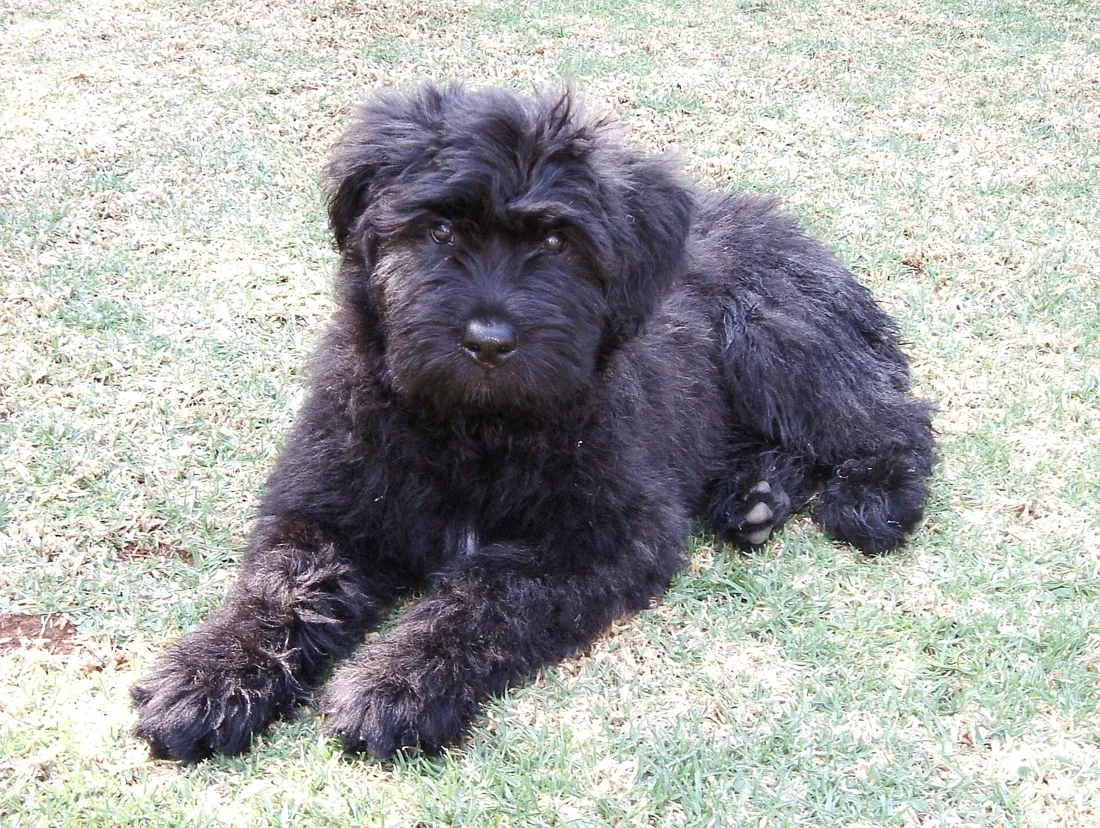

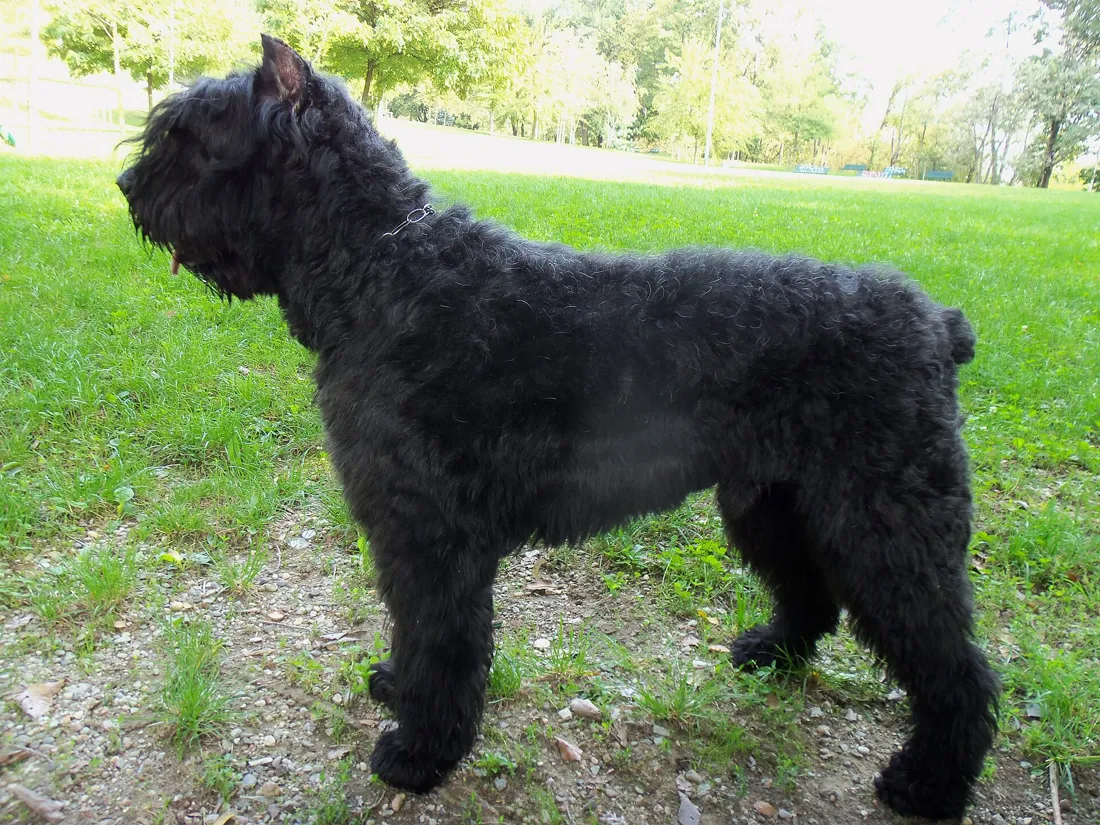

Photos show different individual dogs from licensed libraries, not one dog growing up. Stage labels are approximate, the way a careful editor would judge them.
About the Bouvier des Flandres
From Belgium (Flanders) and France, the Bouvier des Flandres is a large herding breed whose traditional work was to move sheep and cattle with eye, bark and body, working all day beside the shepherd or farmer. Herding breeds read their owners like weather. They need training, structure and a daily job, and they notice everything, including things you would rather they had not.
History
Belgium (Flanders) and France produced the Bouvier des Flandres for one main task: to move sheep and cattle with eye, bark and body, working all day beside the shepherd or farmer. It is described as sharp, energetic, devoted and quick to learn. American breeders follow the AKC standard for the breed, which the club recognizes today. Its standard colours in our records are fawn, brindle, black, grey or blonde.
Personality
Sharp, energetic, devoted and quick to learn is the record's Bouvier, the cattle dog of Flanders: a rugged farm worker that droved cattle, pulled carts, guarded property and then served with distinction in wartime. Bouviers are calm, sensible and deeply loyal, with a guarding instinct and a herding brain that read their owners like weather. They are thoughtful dogs that assess before acting and bond with unusual depth. Puppies are sturdy, tousled charmers; adults are steady, watchful partners with a dry humour and a beard full of character. Few breeds combine this much capability with this much quiet devotion to family.
Temperament and traits
Energy (5/5)
Trainability (5/5)
Grooming needs (3/5)
Shedding (4/5)
Barking (4/5)
Good with children: Good with children
With other dogs: Usually good with dogs
With strangers: Reserved with strangers
Apartment life: Not ideal
Coat and care
Coat: Double coat with rough looking outer coat.
Colors: Standard colors: fawn, brindle, black, grey or blonde.
Feed to a visible waist tuck and weigh monthly; this breed does best on a routine of consistent meals, training in short sessions and daily exercise matched to its type. Brush weekly, and daily during the two big seasonal sheds. Never shave a double coat. Mental work matters as much as miles: ten minutes of training tires a herding dog more honestly than an hour of aimless walking.
Exercise and grooming
Exercise
Sixty minutes is a floor and the record's range runs to two hours: the Bouvier is a Flemish cattle drover and farm guard, built for all day work in all weather. Brisk walks, free running, herding, carting and training fill the programme, and the herding rule from the care notes applies in full: mental work matters as much as miles, because ten minutes of training tires a herding dog more honestly than an hour of aimless walking. Puppies build up gradually with protected joints. Herding breeds read their owners like weather, per the overview: they need training, structure and a daily job, and they notice everything. A worked Bouvier is a calm, devoted house dog; an idle one manages the household instead.
Grooming
Brush weekly, and daily during the two big seasonal sheds, and never shave a double coat, exactly as the care notes direct. The rough, tousled double coat needs combing through to the skin in the beard, legs and furnishings, and regular trimming or clipping to keep the outline functional; beards collect food and water and need washing. Ears take weekly checks under the hair, nails need trims on powerful feet and teeth benefit from brushing. Puppies need grooming habituation early, because coat care on a hundred pound dog is a partnership. The Bouvier's rustic look is maintained, not accidental, and owners budget the hour a week happily.
Training and daily life
Training
With a train score at the top of this site's scale, the Bouvier is an outstanding pupil for consistent, fair handlers: quick to learn, eager to work and sensitive to its people. Bouviers excel at herding, obedience, tracking and protection sports where the full skill set is used. The priorities are socialisation to school the guarding instinct, lead manners before the strength arrives, a settle, recall, and cooperative care for grooming. Harsh methods damage trust in a dog this devoted; structure, warmth and real work build the famous partnership. Owners who give a Bouvier a job get one of the finest working companions in the herding group.
Living with a Bouvier des Flandres
The Bouvier suits experienced, active rural or suburban households with space, secure fencing and a genuine appetite for training. Sharp, devoted and quick to learn, good with children, usually good with other dogs and reserved with strangers, it rates apartments as not ideal in the record because size, energy and guarding all push outward. Expect a beard, a presence at the door and a dog that manages its family with calm authority. The Bouvier nearly vanished in the First World War that it served in; its survival is owed to devoted breeders, and owners describe a dog worth every bit of the effort: loyal, capable and noble.
What a Bouvier des Flandres costs
Food cost
About $51 per month for a typical 90 lb adult eating roughly 4.8 cups a day of a standard quality food ($1.60 per lb). Full breakdown in our food expense calculator.
Activity and exercise
Plan 60 to 120 minutes a day of walks, play and training. Under exercised dogs of most breeds invent their own projects, and they rarely pick good ones.
Insurance cost
Typical US range $40 to $73 per month for accident and illness cover. Estimate only, based on market ranges for this breed's risk profile; see the insurance estimator and the insurance guide.
On the monthly figures above, a typical adult year runs to about $611 for food and $480 to $876 for insurance, before routine vet care, grooming and gear. Year one costs more: vaccinations, spay or neuter surgery, a crate, bedding and training all land at once.
Growth: puppy to senior
How weight typically builds with age for a large breed, and when full size arrives.
| Stage | Age | Typical weight |
|---|---|---|
| Puppy | 8 weeks | about 8 to 13 lb |
| Puppy | 4 months | about 20 to 31 lb |
| Puppy | 6 months | about 34 to 53 lb |
| Young | 9 months | about 48 to 75 lb |
| Young | 12 months | about 57 to 90 lb |
| Adult | 18 months | about 66 to 104 lb |
| Adult | 24 months | about 70 to 110 lb |
| Adult | Full grown | 70 to 110 lb (standard range) |
| Senior | From about 7 years | Healthy weight stays in the adult range; watch for slow gain or loss |
Growth pattern follows the size class growth curves published by the Waltham Petcare Science Institute, applied to the adult weight range in the breed standard. Individual puppies vary; steady growth matters more than hitting any single number, and your vet's growth checks come first.
Life stages
Puppies need socialisation on a working dog scale, grooming habituation, protected joints while growing and training foundations laid early. Adolescents are strong, clever and occasionally managerial, and structured work carries the household through. Adults enjoy a long, capable prime: keep the coat worked through, weight lean and jobs coming. Ten to twelve years puts senior status around nine: twice yearly checks, joint friendly exercise and continued light duties. Old Bouviers stay devoted, watchful and dignified, supervising their families to the end.
Health
Hip screening and eye checks are the core of responsible breeding in herding breeds, and several herding lines also DNA test for drug sensitivity (MDR1) and hereditary eye conditions. Ask the breeder what their lines are tested for.
Conditions to know about
- Hip dysplasia: Hip screening is the core of responsible breeding in herding breeds, per the record. Ask for both parents' scores in writing, and grow puppies lean and gradual.
- Eye conditions: Eye checks are the other core item named in the record, covering inherited conditions in herding lines. Ask for current certificates and about hereditary eye condition testing in the breeder's lines.
- MDR1 drug sensitivity: Several herding lines also DNA test for drug sensitivity (MDR1) and hereditary eye conditions, in the record's words: ask the breeder what their lines are tested for, and share any MDR1 result with your vet.
Facts follow the Bouvier des Flandres breed standard (AKC, The Kennel Club and FCI standards agree on the essentials for this breed). Health notes summarize the conditions breed clubs and veterinary bodies most often flag for this breed. They are general information for choosing and caring, not a diagnosis or a substitute for your vet.
Gear for Bouvier des Flandres owners
Our team is hands on testing products for this guide right now. Recommendations will only appear here after real testing, and this module will always carry a plain affiliate disclosure at the top.
Bouvier des Flandres questions
How long do Bouvier des Flandress live?
A typical lifespan is 10 to 12 years. Weight control, dental care and screening for the breed's known conditions give a dog the best chance of reaching the top of that range.
How much does it cost to keep a Bouvier des Flandres?
Food for a typical adult runs about $51 a month at a standard quality tier, and accident and illness insurance usually falls between $40 and $73 a month in the US. Try the full cost calculator for a complete year one and yearly picture.
Are Bouvier des Flandress good with children?
Good with children. As with every breed, supervise dogs and children together and teach children to respect the dog's space.
How much exercise does a Bouvier des Flandres need?
Plan on 60 to 120 minutes a day, split between walks, play and training games. Puppies and seniors need gentler, shorter sessions.
What does Bouvier des Flandres mean?
Bouvier is French for cowherd, and Flandres is Flanders: the cattle dog of Flanders. The breed droved cattle, pulled carts and guarded farms, then served as a messenger and ambulance dog in the First World War.
Do Bouviers shed much?
They shed moderately, more in season, and the rough double coat holds much of the loose hair until it is brushed or clipped out. Regular coat work keeps the house hair manageable.
Are Bouviers good family dogs?
Yes, for experienced, active families: sharp, devoted and good with children, with a guarding instinct that needs early socialisation and steady leadership. They are serious dogs that become superb family guardians.
Breeds similar to the Bouvier des Flandres Compare this breed with another