Bolognese
Sweet, adaptable, playful and devoted. From Italy.
Toytoy breedItalyStandards checked
Standards checked: this profile's facts are checked against the breed standards of the AKC, The Kennel Club and the FCI, as described on our methodology page.
Gallery
Real photos from licensed sources only, each credited to its creator.


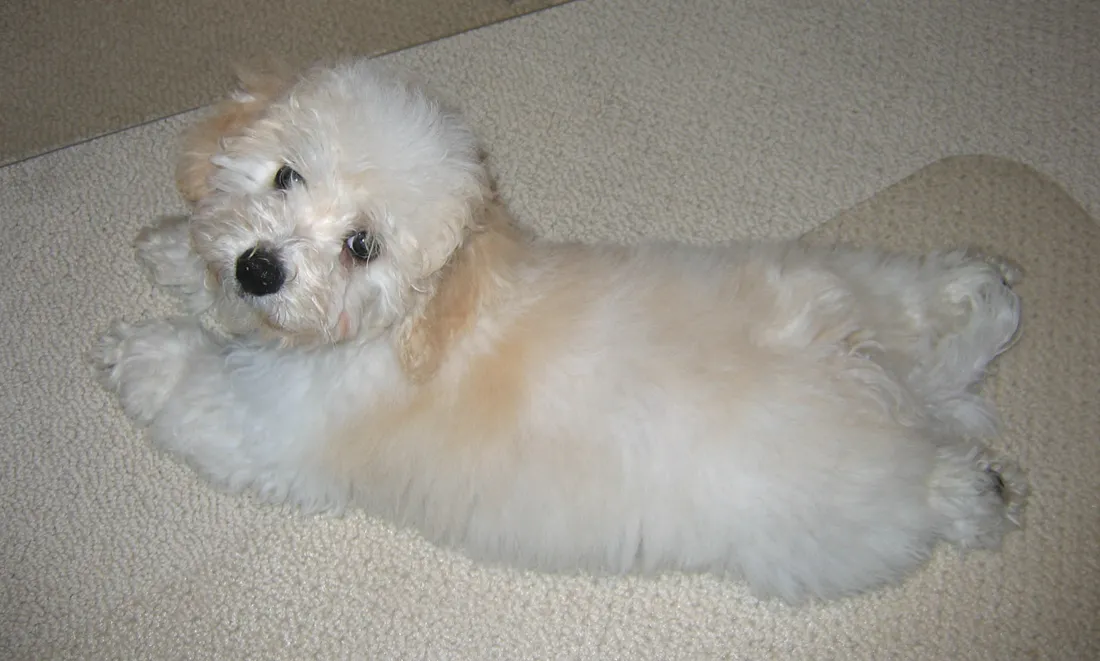


Photos show different individual dogs from licensed libraries, not one dog growing up. Stage labels are approximate, the way a careful editor would judge them.
About the Bolognese
From Italy, the Bolognese is a tiny companion breed whose traditional work was to be close company for people, a role dogs have filled for thousands of years. This breed's whole job description is you. In return for company and gentle training you get a shadow who would not dream of being anywhere else.
History
Companion and toy dogs are as old as wealth itself: little dogs appear in art and graves from ancient Egypt and China to the courts of Europe. The AKC recognizes the breed today, and its standard is the reference most US breeders work to.
Personality
Sweet, adaptable, playful and devoted is the record's Bolognese: the white bichon of Bologna, companion to Italian courts since the Renaissance, painted by the old masters and carried between palaces as diplomatic gifts. Bolognese are gentle, intelligent and notably devoted, somewhat more reserved and serious than the extrovert Bichon Frise, with a shadow's instinct for their person's location. Puppies are bright, white charmers; adults are devoted, calm companions. Owners describe the complete Italian companion: a palace dog with a philosopher's streak, content with a lap, a walk and its family's whole attention.
Temperament and traits
Energy (3/5)
Trainability (3/5)
Grooming needs (3/5)
Shedding (3/5)
Barking (3/5)
Good with children: Good with children
With other dogs: Good with dogs
With strangers: Friendly with strangers
Apartment life: Well suited
Coat and care
Coat: Long, fluffy, pure white coat of soft, woolly, flocked texture, falling in loose open ringlets, with no undercoat beneath it. It sheds very little but needs daily combing to stop the flocks matting.
Colors: The standard accepts a range of colors and patterns, and individual markings vary a lot.
Measure meals rather than free feeding; this breed does best on a routine of consistent meals, training in short sessions and daily exercise matched to its type. Brush weekly and check ears, teeth and nails as part of the routine. Small mouths crowd teeth, so dental care starts early and stays daily. Small dogs also chill fast: coats in winter are kindness, not costume.
Exercise and grooming
Exercise
Thirty to forty five minutes a day of gentle companion exercise: the Bolognese is the bichon of Bologna, the little white court dog of Renaissance Italy, treasured by the Medici and the courts of Europe, and its exercise is measured in pleasant walks, games and household involvement. This breed's whole job description is you, per the overview: in return for company and gentle training you get a shadow who would not dream of being anywhere else. Puppies need frequent, gentle exercise and careful socialisation on the ground. Indoor play is real exercise at seven pounds.
Grooming
Brush weekly and check ears, teeth and nails as part of the routine, per the care notes, working through the flocked white coat so the famous ringlets stay loose and free: the Bolognese coat is traditionally left unclipped, worn as a single flocked layer that needs combing through to prevent felting. Small mouths crowd teeth, so dental care starts early and stays daily, per the notes. Small dogs also chill fast: coats in winter are kindness, not costume, in the notes' charming verdict. Puppies need gentle grooming habituation from the start.
Training and daily life
Training
Bolognese are bright, willing little pupils that learn household skills and tricks readily under kind, consistent, reward based training in short sessions. Priorities are socialisation from the ground up, housetraining patience, a settle, lead manners on a harness, dental cooperation, and grooming habituation. Their devotion makes them eager students; harshness is both unnecessary and counterproductive with so willing a dog.
Living with a Bolognese
The Bolognese suits devoted households, in flats above all, that want a Renaissance shadow: sweet, adaptable, playful and devoted in the record's words, good with children, good with other dogs and friendly with strangers once introduced. It is well suited to apartment life in the record's rating. This breed's whole job description is you, per the overview. Expect a cheerful, devoted little dog of unusual seriousness and charm for a toy. Owners describe a treasure of Italy: the court dog of Bologna, quieter and more thoughtful than its bichon cousins and wholly given to its family.
What a Bolognese costs
Food cost
About $8 per month for a typical 7 lb adult eating roughly 0.7 cups a day of a standard quality food ($1.60 per lb). Full breakdown in our food expense calculator.
Activity and exercise
Plan 30 to 45 minutes a day of walks, play and training. Under exercised dogs of most breeds invent their own projects, and they rarely pick good ones.
Insurance cost
Typical US range $28 to $52 per month for accident and illness cover. Estimate only, based on market ranges for this breed's risk profile; see the insurance estimator and the insurance guide.
On the monthly figures above, a typical adult year runs to about $90 for food and $336 to $624 for insurance, before routine vet care, grooming and gear. Year one costs more: vaccinations, spay or neuter surgery, a crate, bedding and training all land at once.
Growth: puppy to senior
How weight typically builds with age for a toy breed, and when full size arrives.
| Stage | Age | Typical weight |
|---|---|---|
| Puppy | 8 weeks | about 1 to 2 lb |
| Puppy | 4 months | about 2 to 4 lb |
| Young | 6 months | about 3 to 6 lb |
| Young | 9 months | about 4 to 7 lb |
| Adult | 12 months | about 5 to 8 lb |
| Adult | Full grown | 5.0 to 9.0 lb (standard range) |
| Senior | From about 10 years | Healthy weight stays in the adult range; watch for slow gain or loss |
Growth pattern follows the size class growth curves published by the Waltham Petcare Science Institute, applied to the adult weight range in the breed standard. Individual puppies vary; steady growth matters more than hitting any single number, and your vet's growth checks come first.
Life stages
Puppies need socialisation on the ground, grooming and dental habituation from the first weeks (dental care starts early, per the care notes), and gentle, frequent exercise. Adolescents are bright, devoted and playful, and structured games carry the household through. Adults enjoy a long, gentle prime: twelve to fourteen years. Keep teeth brushed daily, weight measured and the coat combed through. Senior status arrives around ten: twice yearly checks with dental and patella awareness, ramps for furniture and continued gentle games. Old Bolognese stay sweet, devoted and close.
Health
Hip, eye and patella checks, appropriate to the breed's size and type, are the screenings responsible breeders use. Ask to see certificates for both parents before committing to a puppy.
Conditions to know about
- Patellar luxation: Patella checks are among the screenings responsible breeders use, appropriate to the breed's size and type, per the record. Ask to see certificates for both parents before committing to a puppy, in the record's own standard.
- Eye conditions: Eye checks stand in the record's screening list. Ask for current certificates for both parents.
- Hip and joint soundness: Hip checks complete the record's trio, appropriate to size and type. At seven pounds the practical joint watch centres on knees and teeth; ask what the breeder's programme actually tests.
Facts follow the Bolognese breed standard (AKC, The Kennel Club and FCI standards agree on the essentials for this breed). Health notes summarize the conditions breed clubs and veterinary bodies most often flag for this breed. They are general information for choosing and caring, not a diagnosis or a substitute for your vet.
Gear for Bolognese owners
Our team is hands on testing products for this guide right now. Recommendations will only appear here after real testing, and this module will always carry a plain affiliate disclosure at the top.
Bolognese questions
How long do Bologneses live?
A typical lifespan is 12 to 14 years. Weight control, dental care and screening for the breed's known conditions give a dog the best chance of reaching the top of that range.
How much does it cost to keep a Bolognese?
Food for a typical adult runs about $8 a month at a standard quality tier, and accident and illness insurance usually falls between $28 and $52 a month in the US. Try the full cost calculator for a complete year one and yearly picture.
Are Bologneses good with children?
Good with children. As with every breed, supervise dogs and children together and teach children to respect the dog's space.
How much exercise does a Bolognese need?
Plan on 30 to 45 minutes a day, split between walks, play and training games. Puppies and seniors need gentler, shorter sessions.
Bolognese or Bichon Frise, what is the difference?
Bichon cousins: the Bolognese is the Italian dog, slightly smaller, more reserved and serious minded, with a flocked, untrimmed coat worn in its natural ringlets. The Bichon Frise is the French Belgian dog, more exuberant, in its famous powder puff trim. Both are devoted white companions.
Is the Bolognese really a Renaissance dog?
Yes: the little white dogs of Bologna were gifts between courts, painted by Titian and Goya among others, and treasured by Italian and Spanish nobility for centuries before the bichon family spread across Europe.
Are Bolognese good apartment dogs?
Among the best: tiny, devoted and well suited to flats in the record's rating, bred for centuries of palace and apartment life. Company is the condition; they are shadows by design.