Home / Breeds / Bernese Mountain Dog
Bernese Mountain Dog
Good natured, calm, strong and affectionate. From Bern, Switzerland.
Workinglarge breedBern, SwitzerlandStandards checked
Standards checked: this profile's facts are checked against the breed standards of the AKC, The Kennel Club and the FCI, as described on our methodology page.
Gallery
Real photos from licensed sources only, each credited to its creator.


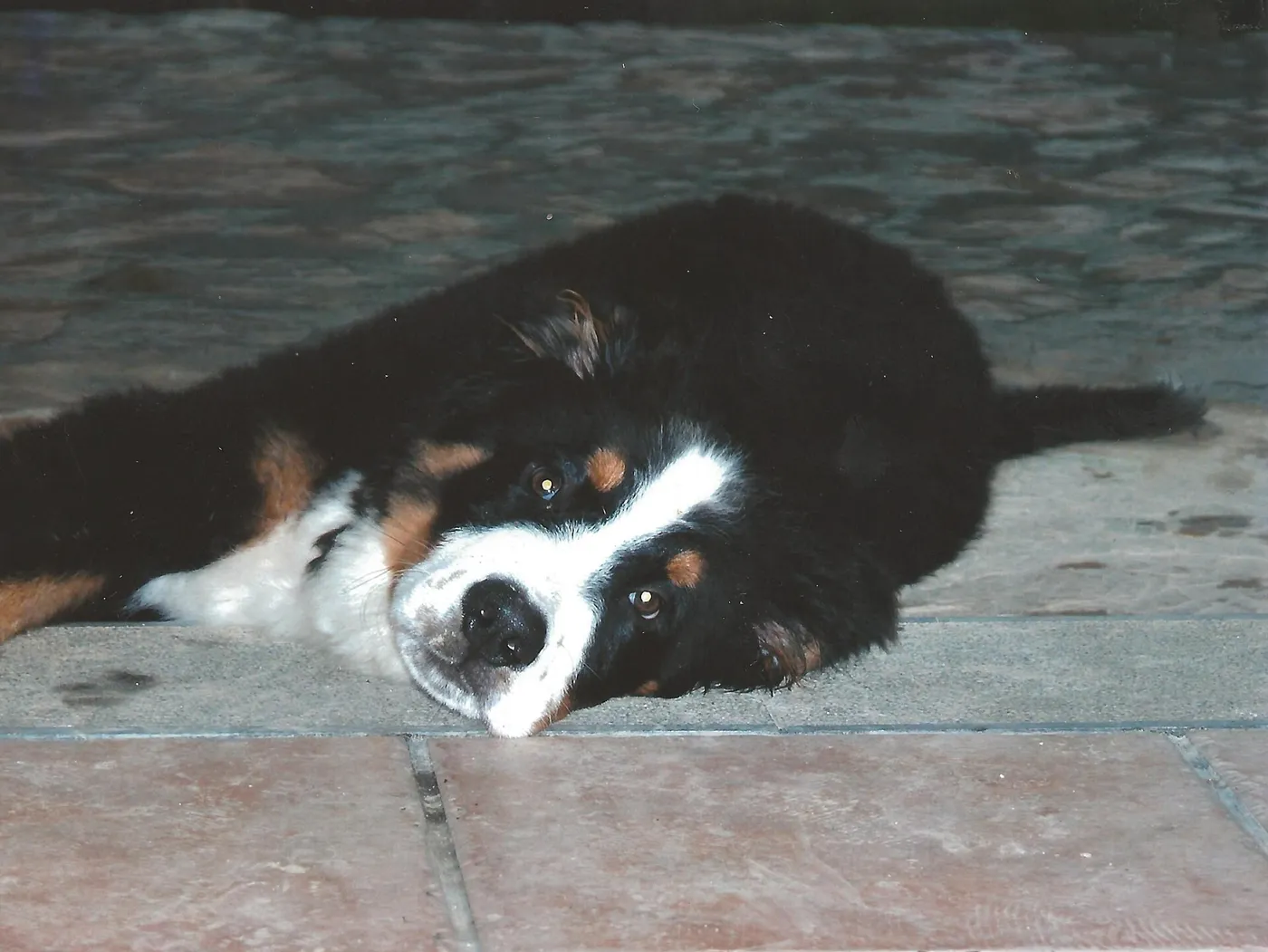

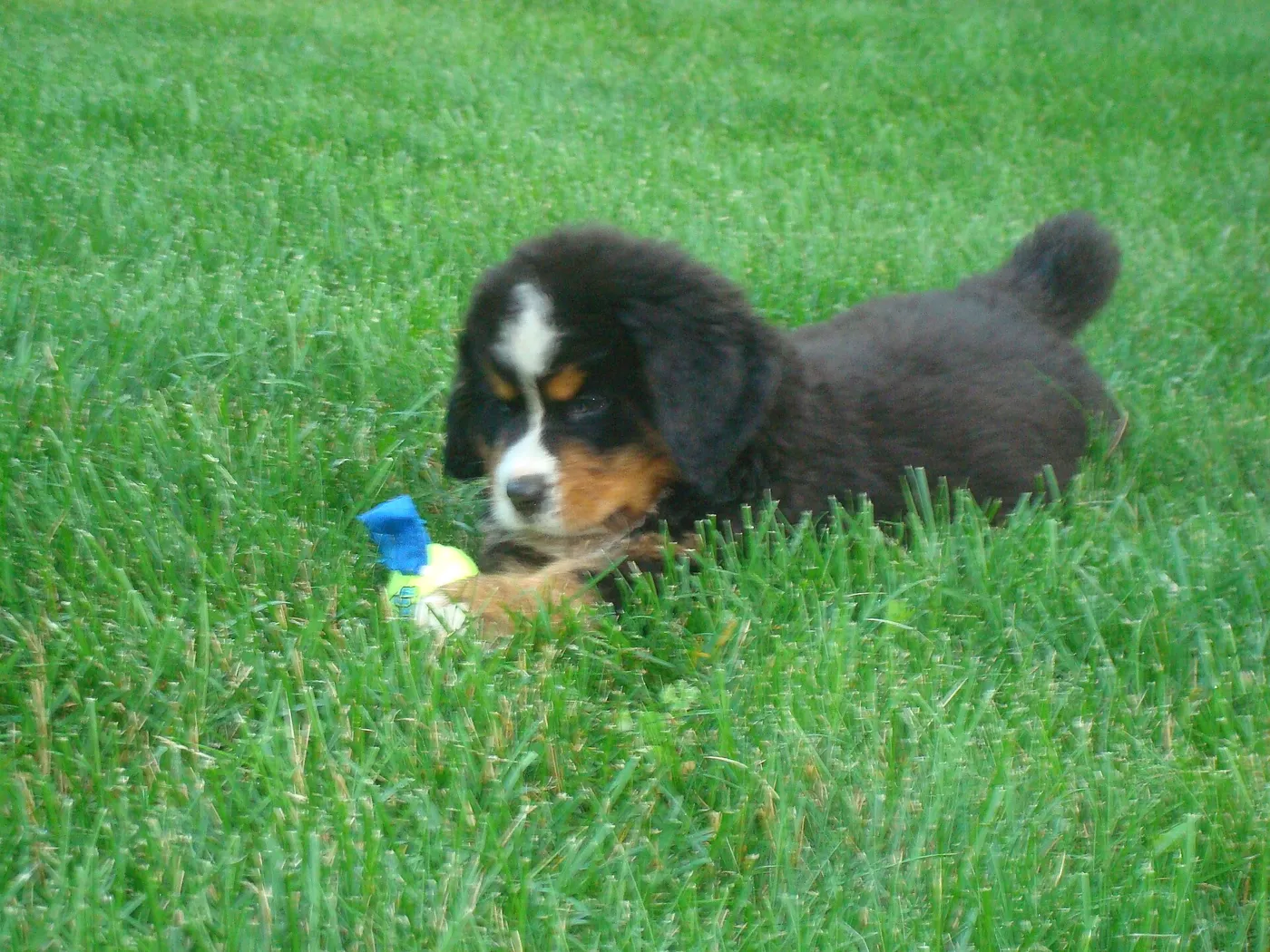

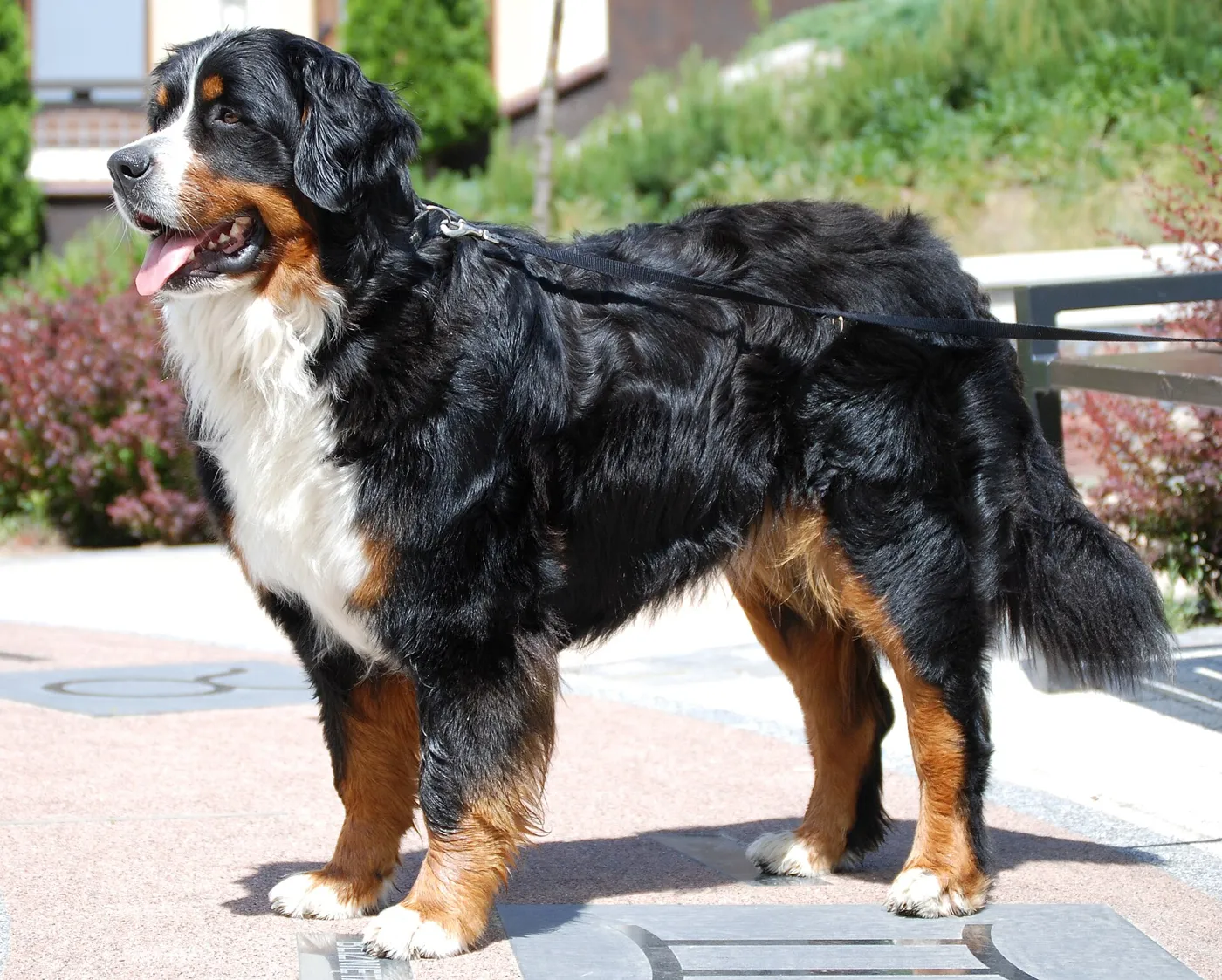

Photos show different individual dogs from licensed libraries, not one dog growing up. Stage labels are approximate, the way a careful editor would judge them.
About the Bernese Mountain Dog
The Berner is a gentle giant from the Swiss Alps: strong enough to pull a cart, sweet enough to be a child's pillow. Berners are calm, affectionate and eager to please, and they shed like it is a hobby. Their short lifespan is the heartbreak of the breed.
History
One of four Swiss mountain breeds, the Berner worked farms around Bern as a drover, draft dog and watch dog. It nearly disappeared before being revived in the early 1900s by Franz Schertenleib.
Personality
The Berner combines the strength of a draft dog with one of the softest hearts in the working group. Good natured is the standard's own phrase, and it holds: Berners are calm, affectionate and eager to please, greeting the world with a wag and leaning their considerable weight against the people they love. They are steady rather than sharp, watchful without suspicion and playful in a gentle, clownish way that persists into adulthood. Puppies can be boisterous and mouthy before the famous calm arrives. They are sensitive dogs that bond to the whole family and pine when excluded from it, so this is a breed that needs to live as a family member, not as garden furniture.
Temperament and traits
Energy (3/5)
Trainability (4/5)
Grooming needs (4/5)
Shedding (5/5)
Barking (3/5)
Good with children: Good with children
With other dogs: Good with dogs
With strangers: Friendly with strangers
Apartment life: Not ideal
Coat and care
Coat: Thick, moderately long double coat, tricolor, with a white blaze and cross.
Colors: Black with rich rust and clear white markings (tricolor).
Brush weekly and daily in shedding season; the coat is wash and wear otherwise. Keep weight off the big frame, exercise moderately, and protect from heat, since that black coat soaks up sun.
Exercise and grooming
Exercise
Forty five to seventy five minutes a day of steady activity suits the Berner: unhurried walks, gentle hikes in cool weather and play, rather than speed or endurance work. The breed's draft heritage means many enjoy carting and light pulling work once fully grown. Heat is the governing factor: a heavy black coat and a big body overheat fast, so summer exercise belongs to early mornings and evenings, with shade and water always available. Puppies and adolescents need joint protection: no forced running, limited stairs and lean weight until growth finishes around two years. Short, regular outings beat weekend marathons for this heavy frame.
Grooming
The thick tricolor coat needs a thorough weekly brush with a slicker and undercoat rake, working through the feathering behind the ears and legs where mats start. In shedding season, daily brushing is closer to the truth, and the volume of hair is legendary. The coat is otherwise wash and wear: baths when muddy, and mud dries and brushes out surprisingly well. Never shave the double coat. Check ears weekly, especially after wet walks, keep nails short, because long nails strain big joints, and expect moderate drool after drinking. A Berner household runs on lint rollers and acceptance.
Training and daily life
Training
Berners are willing, sensitive learners that want to please and wilt under harsh handling. Early socialisation is the priority job, because the breed can pass through a wary adolescent phase and confidence built young carries them. Training should be reward based and unhurried: they think before responding, which owners sometimes misread as stubbornness. House training and lead manners come readily with consistency. Because they mature slowly, keep expectations puppy appropriate for a full two years even though the dog looks grown at one. Draft and carting training, tracking and therapy work all suit the breed's steady, people centred strengths.
Living with a Bernese Mountain Dog
Life with a Berner is large, hairy, gentle and too short. They are good with children, friendly with strangers, peaceable with other dogs and happiest in a house with a garden and cool places to sprawl; flats are not ideal for a dog of this size that also needs ramps for cars and stairs kept minimal. They lean on their people, follow them around and dislike long solitude. The honest costs are the shedding, the size of everything from beds to vet doses and a lifespan of seven to ten years that every owner signs up for knowingly. People who have Berners tend to become Berner people for life.
What a Bernese Mountain Dog costs
Food cost
About $52 per month for a typical 92 lb adult eating roughly 4.8 cups a day of a standard quality food ($1.60 per lb). Full breakdown in our food expense calculator.
Activity and exercise
Plan 45 to 75 minutes a day of walks, play and training. Under exercised dogs of most breeds invent their own projects, and they rarely pick good ones.
Insurance cost
Typical US range $50 to $90 per month for accident and illness cover. Estimate only, based on market ranges for this breed's risk profile; see the insurance estimator and the insurance guide.
On the monthly figures above, a typical adult year runs to about $621 for food and $600 to $1,080 for insurance, before routine vet care, grooming and gear. Year one costs more: vaccinations, spay or neuter surgery, a crate, bedding and training all land at once.
Growth: puppy to senior
How weight typically builds with age for a large breed, and when full size arrives.
| Stage | Age | Typical weight |
|---|---|---|
| Puppy | 8 weeks | about 8 to 14 lb |
| Puppy | 4 months | about 20 to 32 lb |
| Puppy | 6 months | about 34 to 55 lb |
| Young | 9 months | about 48 to 78 lb |
| Young | 12 months | about 57 to 94 lb |
| Adult | 18 months | about 66 to 109 lb |
| Adult | 24 months | about 70 to 115 lb |
| Adult | Full grown | 70 to 115 lb (standard range) |
| Senior | From about 7 years | Healthy weight stays in the adult range; watch for slow gain or loss |
Growth pattern follows the size class growth curves published by the Waltham Petcare Science Institute, applied to the adult weight range in the breed standard. Individual puppies vary; steady growth matters more than hitting any single number, and your vet's growth checks come first.
Life stages
Puppies grow slowly for a surprisingly long time, filling out until about two, and the rules are lean weight, gentle exercise and socialisation to build confidence, because some Berners go through a shy phase as adolescents. Adults enjoy a calm prime from about two and a half, and the middle years should include regular lump checks given the breed's cancer burden, plus keeping weight off to protect scored joints. Senior care starts early, around six to seven: shorter walks more often, ramps and non slip rugs, arthritis management and twice yearly vet visits. Owners treasure the senior Berner's grey muzzled sweetness all the more for its brevity.
Health
Cancer, especially histiocytic sarcoma, is the breed's great enemy, alongside hip and elbow dysplasia and bloat. Choose breeders in the Bernergarde health database who screen hips, elbows, heart, eyes and DNA test for degenerative myelopathy.
Conditions to know about
- Histiocytic sarcoma: An aggressive cancer that is the breed's leading cause of death, often appearing in joints, spleen or skin. There is no screening test, so breeders who record family longevity matter, and owners should have any persistent limp, lump or unexplained illness checked promptly.
- Hip dysplasia: Common in the breed and screened by hip scoring breeding stock. Keeping puppies lean and avoiding overexercise during the long growth period gives hips their best chance.
- Elbow dysplasia: Abnormal elbow development is the breed's other major joint concern, scored alongside hips in responsible programmes. Front leg lameness in a young Berner always warrants investigation.
- Bloat (gastric dilatation volvulus): The deep chest puts Berners in the at risk group for stomach twist. Feed two smaller meals rather than one large one, keep mealtimes calm and know the signs of this emergency.
Facts follow the Bernese Mountain Dog breed standard (AKC, The Kennel Club and FCI standards agree on the essentials for this breed). Health notes summarize the conditions breed clubs and veterinary bodies most often flag for this breed. They are general information for choosing and caring, not a diagnosis or a substitute for your vet.
Gear for Bernese Mountain Dog owners
Our team is hands on testing products for this guide right now. Recommendations will only appear here after real testing, and this module will always carry a plain affiliate disclosure at the top.
Bernese Mountain Dog questions
How long do Bernese Mountain Dogs live?
A typical lifespan is 7 to 10 years. Weight control, dental care and screening for the breed's known conditions give a dog the best chance of reaching the top of that range.
How much does it cost to keep a Bernese Mountain Dog?
Food for a typical adult runs about $52 a month at a standard quality tier, and accident and illness insurance usually falls between $50 and $90 a month in the US. Try the full cost calculator for a complete year one and yearly picture.
Are Bernese Mountain Dogs good with children?
Good with children. As with every breed, supervise dogs and children together and teach children to respect the dog's space.
How much exercise does a Bernese Mountain Dog need?
Plan on 45 to 75 minutes a day, split between walks, play and training games. Puppies and seniors need gentler, shorter sessions.
Why do Bernese Mountain Dogs live such short lives?
Size and cancer genetics are the hard answer. Histiocytic sarcoma and other cancers claim many Berners in middle age. Choosing breeders who record longevity and causes of death in open databases such as Bernergarde gives puppies the best statistical start.
How much does a Bernese shed?
Constantly and impressively. The thick double coat sheds year round and blows out in volume twice a year. Owners accept Berner hair as a household material.
Are Bernese Mountain Dogs good with children?
They are one of the classic gentle giants with children: patient, soft mouthed and tolerant. Supervision still matters because a 100 pound dog can knock a toddler over simply by turning around.