Home / Breeds / Basset Fauve de Bretagne
Basset Fauve de Bretagne
Easygoing, friendly, stubborn and scent obsessed. From France.
Houndmedium breedFranceStandards checked
Standards checked: this profile's facts are checked against the breed standards of the AKC, The Kennel Club and the FCI, as described on our methodology page.
Gallery
Real photos from licensed sources only, each credited to its creator.
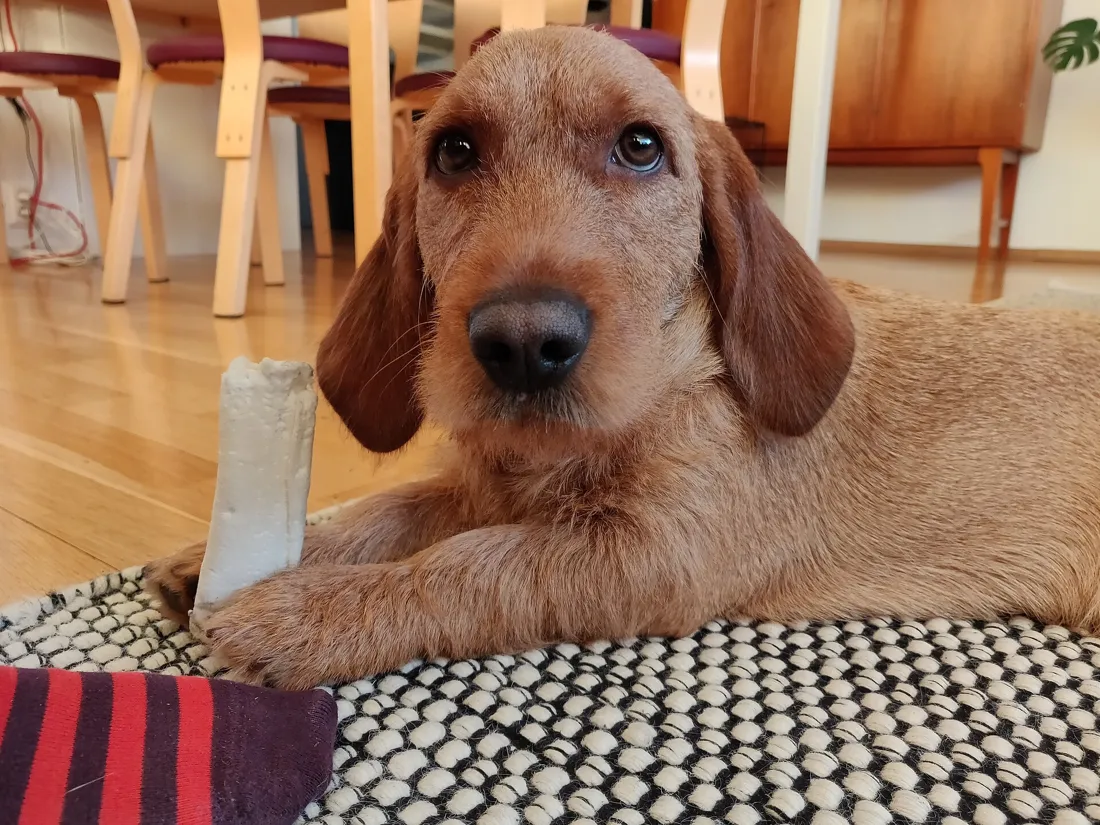

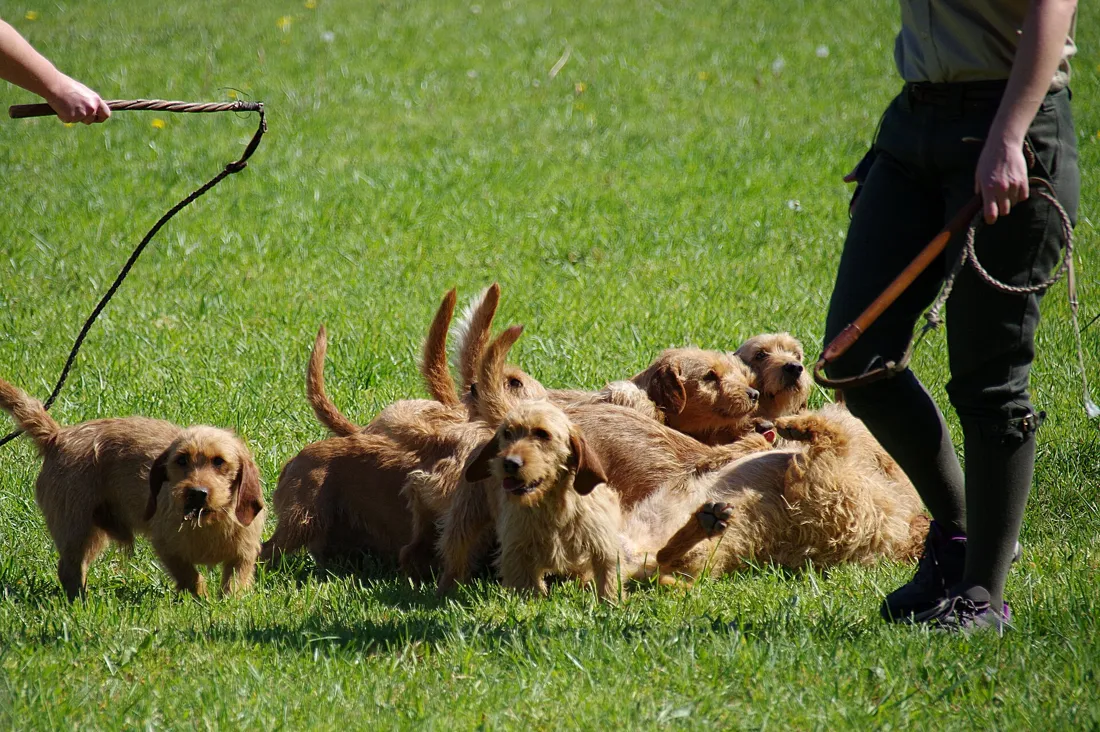

Photos show different individual dogs from licensed libraries, not one dog growing up. Stage labels are approximate, the way a careful editor would judge them.
About the Basset Fauve de Bretagne
From France, the Basset Fauve de Bretagne is a medium sized scent hound whose traditional work was to follow scent trails for hours, on game from rabbits to boar, baying so hunters can follow. The nose is in charge outdoors and the stomach indoors: this breed needs scent games, steady training and strict portion control.
History
The Basset Fauve de Bretagne is a medium sized scent hound from France. Very rough, fairly short. The breed holds AKC recognition, so its standard is set in the United States as well as in its homeland. A typical life runs 11 to 14 years.
Personality
Easygoing, friendly, stubborn and scent obsessed is the record's Basset Fauve de Bretagne: Brittany's rough coated fawn basset, descended from the old Griffon Fauve de Bretagne (one of France's ancient hunting breeds), bred down to basset size for hunting rabbits and hare on foot through the gorse. Basset Fauves are merry, capable and notably good natured, increasingly kept in France as family dogs with a hunting engine. Puppies are bright, fawn charmers; adults are athletic, devoted companions on short legs. Owners describe the complete small French hound: everything a grande venerie dog has, nose, voice and heart, in a package built for the hedgerows.
Temperament and traits
Energy (4/5)
Trainability (3/5)
Grooming needs (2/5)
Shedding (3/5)
Barking (4/5)
Good with children: Good with children
With other dogs: Good with dogs
With strangers: Friendly with strangers
Apartment life: With enough exercise
Coat and care
Coat: Very rough, fairly short.
Colors: Standard colors: fawn.
Measure meals rather than free feeding; this breed does best on a routine of consistent meals, training in short sessions and daily exercise matched to its type. A weekly brush lifts loose hair and keeps the coat shining; shedding is steady but manageable. Long ears drag through everything and need weekly cleaning. Weight creeps up silently in this food loving type, so weigh monthly.
Exercise and grooming
Exercise
Sixty to ninety minutes a day of Breton countryside exercise: the Basset Fauve de Bretagne is Brittany's fawn basset, the short legged descendant of the old Griffon Fauve, a rabbit and hare hound of the Breton gorse and fields, and it needs the full scent hound programme scaled to short legs. Long hikes, tracking and scent games fill the day. The nose is in charge outdoors and the stomach indoors, per the overview: scent games, steady training and strict portion control are the deal. Puppies need gradual building and joint friendly management of a long backed frame (no stair marathons). Weight creeps up silently in this food loving type, so weigh monthly.
Grooming
A weekly brush lifts loose hair and keeps the coat shining; shedding is steady but manageable, exactly as the care notes describe for the very rough, fairly short fawn coat: work a bristle brush through the harsh jacket weekly, with seasonal tidying. Long ears drag through everything and need weekly cleaning, per the notes. Weight creeps up silently in this food loving type, so weigh monthly and measure meals rather than free feeding, doubly important over a long back. Nails need trims, teeth benefit from brushing. Puppies need kind ear handling habits from the start.
Training and daily life
Training
Train the Basset Fauve with food, patience and respect for the nose. The nose is in charge outdoors and the stomach indoors, per the overview, so lessons are paid in excellent food and kept short and clear. Recall exists in two states, reliable when the nose is idle and fictional when it is trailing, so the goal is management plus manners: secure areas, long lines, an emergency response and excellent household skills. Tracking formalises the profession. Kindness and clarity produce a polished, devoted companion.
Living with a Basset Fauve de Bretagne
The Basset Fauve de Bretagne suits active households, in country or town with the programme delivered, that want a merry Breton original: easygoing, friendly, stubborn and scent obsessed in the record's formula, good with children, good with other dogs and friendly with strangers, it rates flats as possible with the full countryside programme genuinely delivered. Expect a companionable, musical dog that treats every walk as a Breton detective story. Eleven to fourteen years is a fine span. Owners describe a hound of charm and quality: the little fawn basset of Brittany, a rabbit hunter with a comedian's timing and a family's whole heart.
What a Basset Fauve de Bretagne costs
Food cost
About $26 per month for a typical 36 lb adult eating roughly 2.4 cups a day of a standard quality food ($1.60 per lb). Full breakdown in our food expense calculator.
Activity and exercise
Plan 60 to 90 minutes a day of walks, play and training. Under exercised dogs of most breeds invent their own projects, and they rarely pick good ones.
Insurance cost
Typical US range $34 to $61 per month for accident and illness cover. Estimate only, based on market ranges for this breed's risk profile; see the insurance estimator and the insurance guide.
On the monthly figures above, a typical adult year runs to about $307 for food and $408 to $732 for insurance, before routine vet care, grooming and gear. Year one costs more: vaccinations, spay or neuter surgery, a crate, bedding and training all land at once.
Growth: puppy to senior
How weight typically builds with age for a medium breed, and when full size arrives.
| Stage | Age | Typical weight |
|---|---|---|
| Puppy | 8 weeks | about 4 to 6 lb |
| Puppy | 4 months | about 10 to 13 lb |
| Young | 6 months | about 16 to 21 lb |
| Young | 9 months | about 23 to 30 lb |
| Adult | 12 months | about 27 to 35 lb |
| Adult | 18 months | about 31 to 40 lb |
| Adult | Full grown | 31 to 40 lb (standard range) |
| Senior | From about 8 years | Healthy weight stays in the adult range; watch for slow gain or loss |
Growth pattern follows the size class growth curves published by the Waltham Petcare Science Institute, applied to the adult weight range in the breed standard. Individual puppies vary; steady growth matters more than hitting any single number, and your vet's growth checks come first.
Life stages
Puppies need socialisation, ear care habituation, gradual exercise building and back care from the start: ramps over stairs, no jumping from heights. Adolescents are at maximum stamina and curiosity, and tracking plus long lines carries the household through. Adults enjoy a long, sturdy prime: eleven to fourteen years. Keep weight measured (the long back depends on it), ears clean and the countryside walks serious. Senior status arrives around nine to ten: twice yearly checks with back awareness, joint friendly exercise and continued sniffy rambles. Old Basset Fauves stay merry, musical and devoted.
Health
Hip screening and eye checks are the standards for scent hounds, and the long ears need watching for infection. Keeping this food loving type lean is itself a health measure. The long back brings a real risk of disc disease (IVDD): keep the dog lean, build strength, and manage jumping and stairs, especially in young and older dogs.
Conditions to know about
- Hip dysplasia: Hip screening is a standard for scent hounds, per the record. Ask for scores in writing, and keep this long backed hunter lean.
- Eye conditions: Eye checks are the other standard named in the record. Ask for current results for both parents.
- Ear infections: The long ears need watching for infection, in the record's words: weekly cleaning is the prevention, and head shaking or ear odour books the vet visit.
- Disc disease (IVDD) and weight: The long back brings a real risk of disc disease (IVDD), per the record: keep the dog lean, build strength, and manage jumping and stairs, especially in young and older dogs. At this breed the record's IVDD line genuinely applies, unlike on some pages where it appears as template bleed (flagged in earlier batch logs).
Facts follow the Basset Fauve de Bretagne breed standard (AKC, The Kennel Club and FCI standards agree on the essentials for this breed). Health notes summarize the conditions breed clubs and veterinary bodies most often flag for this breed. They are general information for choosing and caring, not a diagnosis or a substitute for your vet.
Gear for Basset Fauve de Bretagne owners
Our team is hands on testing products for this guide right now. Recommendations will only appear here after real testing, and this module will always carry a plain affiliate disclosure at the top.
Basset Fauve de Bretagne questions
How long do Basset Fauve de Bretagnes live?
A typical lifespan is 11 to 14 years. Weight control, dental care and screening for the breed's known conditions give a dog the best chance of reaching the top of that range.
How much does it cost to keep a Basset Fauve de Bretagne?
Food for a typical adult runs about $26 a month at a standard quality tier, and accident and illness insurance usually falls between $34 and $61 a month in the US. Try the full cost calculator for a complete year one and yearly picture.
Are Basset Fauve de Bretagnes good with children?
Good with children. As with every breed, supervise dogs and children together and teach children to respect the dog's space.
How much exercise does a Basset Fauve de Bretagne need?
Plan on 60 to 90 minutes a day, split between walks, play and training games. Puppies and seniors need gentler, shorter sessions.
Basset Fauve de Bretagne or Grand Griffon Vendeen, what is the difference?
French griffon cousins by coat and country: the Basset Fauve is the short legged Breton fawn dog, the rabbit specialist. The Grand Griffon Vendeen is the big, long legged dog of the neighbouring Vendee. Both are rough coated, merry, determined hunters.
Is the Basset Fauve a dwarf breed?
It is a basset in the true sense: a full sized scent hound's body on shortened legs, bred down over centuries to hunt rabbits on foot in dense Breton cover. Everything about it except leg length is a proper hunting hound.
Are Basset Fauves good family dogs?
Yes, increasingly popular as such in France: easygoing and friendly in the record's pattern, merry and devoted. Real countryside exercise and weight discipline are the conditions.
Breeds similar to the Basset Fauve de Bretagne Compare this breed with another