Home / Breeds / Alaskan Malamute
Alaskan Malamute
Outgoing, energetic, vocal and born to run. From Alaska.
Workinglarge breedAlaskaStandards checked
Standards checked: this profile's facts are checked against the breed standards of the AKC, The Kennel Club and the FCI, as described on our methodology page.
Gallery
Real photos from licensed sources only, each credited to its creator.
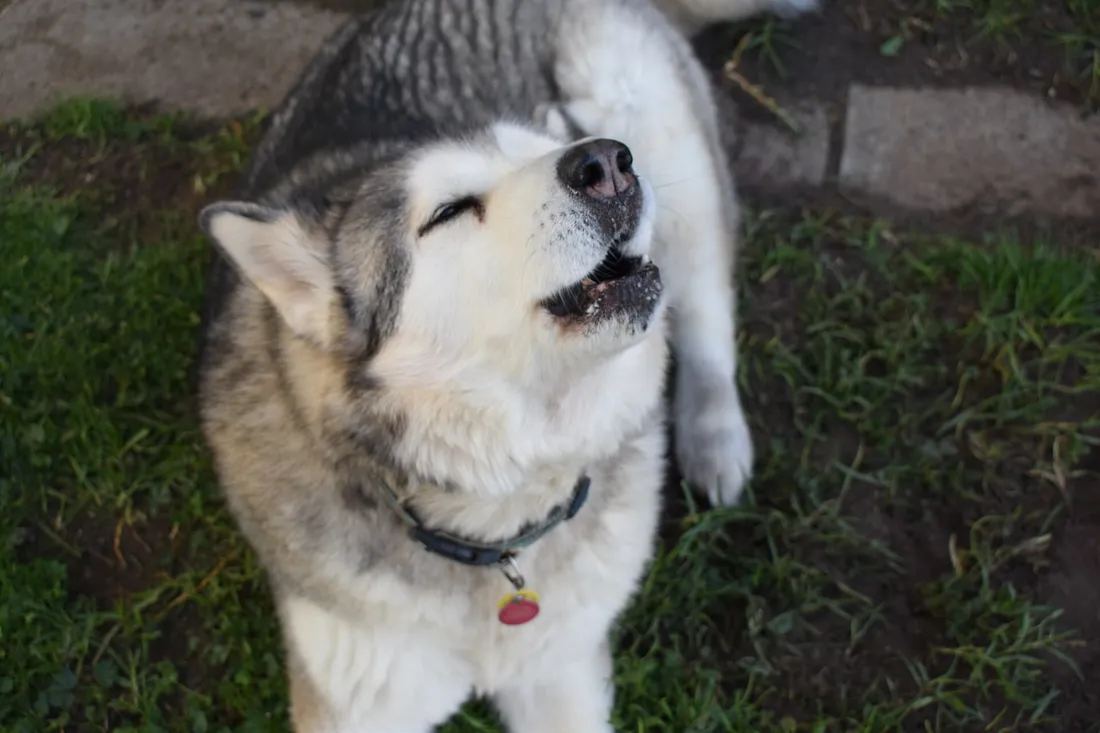

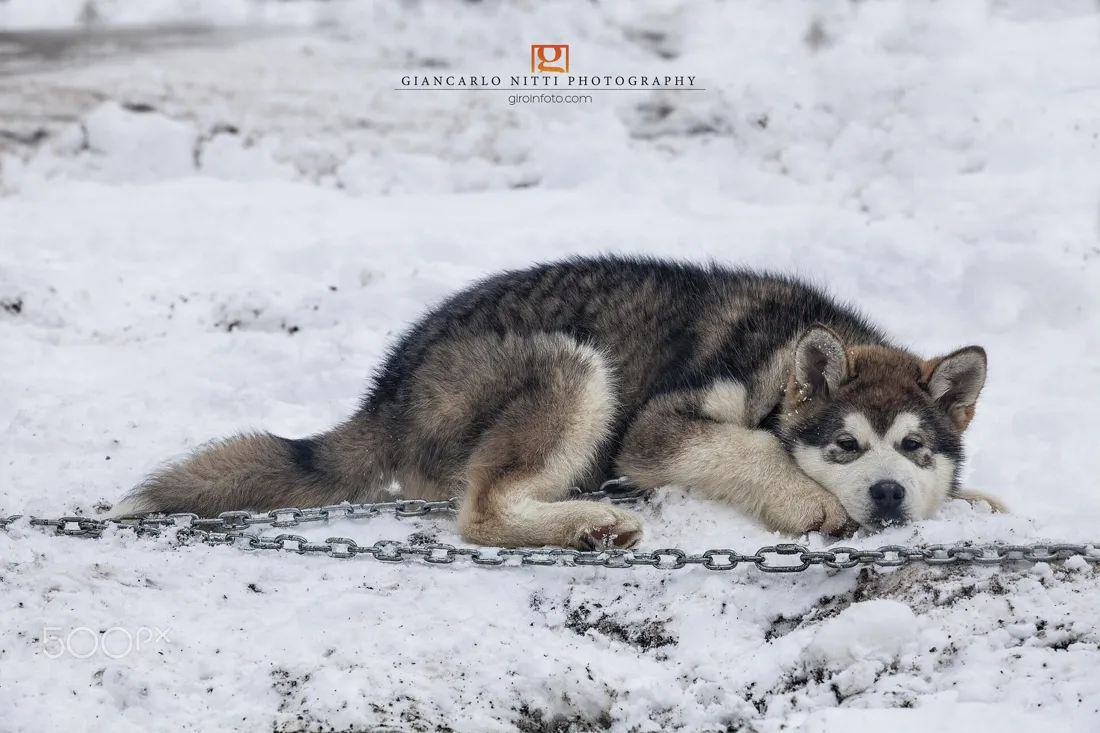

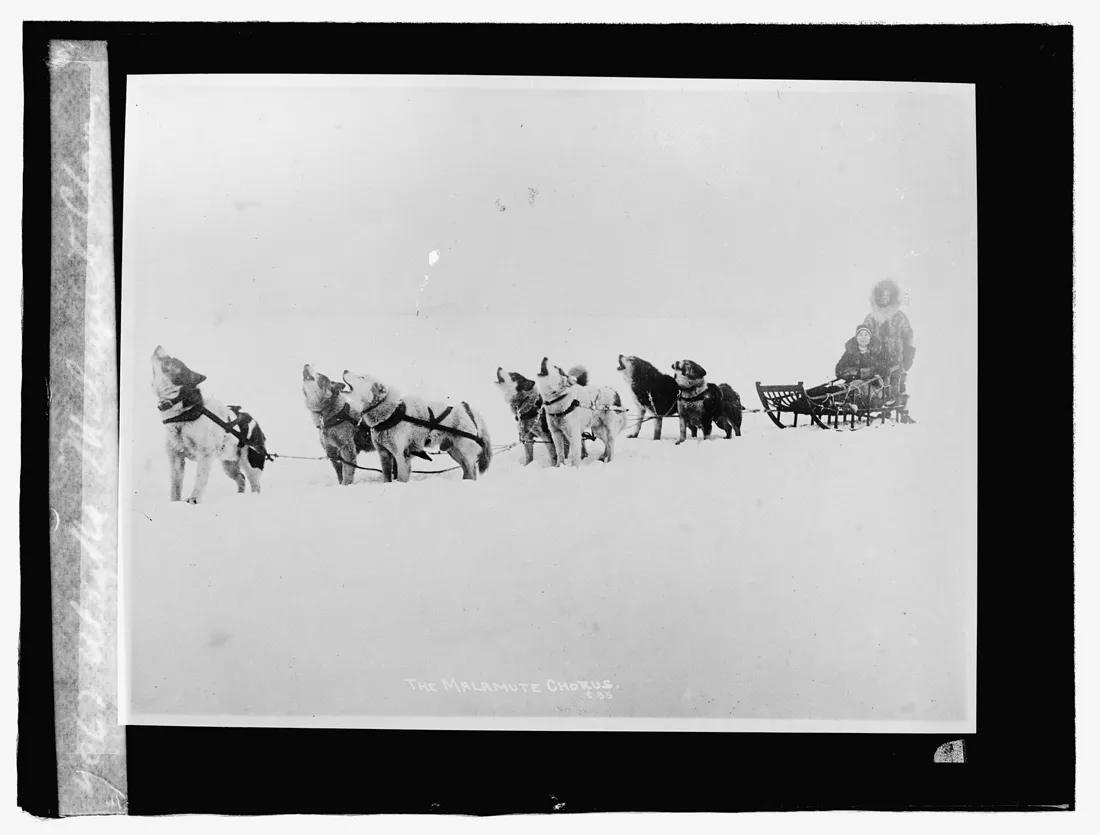

Photos show different individual dogs from licensed libraries, not one dog growing up. Stage labels are approximate, the way a careful editor would judge them.
About the Alaskan Malamute
From Alaska, the Alaskan Malamute is a large sled dog breed whose traditional work was to haul sleds and freight over snow and ice, working in teams in serious cold. Sled breeds are team dogs: social, energetic and born escape artists. They need serious daily exercise, secure fencing dug down as well as up, and owners who find the singing charming.
History
Alaskan Malamute (Alaska) is a large sled dog breed whose work was to haul sleds and freight over snow and ice, working in teams in serious cold. Today the breed sits in the AKC lists, and American breeders work to its published standard. It is described as outgoing, energetic, vocal and born to run. The adult stands 23 to 26 in at the shoulder and weighs 75 to 95 lb.
Personality
Outgoing, energetic, vocal and born to run: the Malamute is the heavy freight hauler of the sled dog world, bred by the Mahlemut people of Alaska to pull heavy loads across serious country in serious cold. Malamutes are famously friendly with people, comedians with a stubborn, independent streak and a pack animal's deep sociability. They talk constantly in woos and howls, dig with professional commitment and regard fences as puzzles. Puppies are sturdy, cheerful bears; adults are powerful, affectionate companions with a puppyish humour that never quite leaves. This is a dog that needs a job, a team and a cold wind, and repays all three with total devotion.
Temperament and traits
Energy (5/5)
Trainability (3/5)
Grooming needs (3/5)
Shedding (4/5)
Barking (4/5)
Good with children: Good with children
With other dogs: Good with dogs
With strangers: Friendly with strangers
Apartment life: Not ideal
Coat and care
Coat: Thick, a double coat, with plush undercoat.
Colors: Standard colors: grey, sable, black, or red, always with white, as well as all white and brown.
Feed to a visible waist tuck and weigh monthly; this breed does best on a routine of consistent meals, training in short sessions and daily exercise matched to its type. Brush weekly, and daily during the two big seasonal sheds. Never shave a double coat. The double coat blows spectacularly twice a year. Never shave it. Check feet after winter work, and keep weight lean: these dogs are built to run far on little food.
Exercise and grooming
Exercise
Ninety minutes is the floor and the record's range runs to two hours: this is a freight hauling sled dog, and it needs heavy, purposeful work. Weight pulling, sled and rig sports, backpacking with a loaded pack, canicross and long hikes suit it; plain pavement walking rarely counts as work to a Malamute. Puppies build up gradually and skip forced distance and repetitive jumping. Secure fencing, dug down as well as up, is part of the exercise system, in the overview's words, because sled breeds are social, energetic and born escape artists. Heat is the hard limit: a dog built for serious cold works at dawn and dusk in summer and regards warm afternoons as a personal insult.
Grooming
Brush weekly, and daily during the two big seasonal sheds, and never shave the double coat, exactly as the care notes insist: the thick double coat blows spectacularly twice a year, releasing undercoat in quantities that fill bags. Between blows, weekly sessions keep the plush coat in order. Check feet after winter work, per the care notes, for ice balls and pad wear. Nails need trims on a dog this strong, built as cooperative care from puppyhood. Baths are rare events of some logistical ambition. Malamutes are clean dogs with surprisingly little odour for their size and fur volume.
Training and daily life
Training
Malamutes are intelligent and perfectly capable of learning, paired with an independent working mind that asks what is in it for the dog. Reward based training with real pay, food, pulling and play, in short varied sessions, produces good manners; drilling produces a dog that leaves. The priorities are recall, which stays honestly managed outdoors given prey drive; lead manners before the freight power arrives; a settle; and cooperative care. Socialise widely and early. Many Malamutes excel in weight pull and sled sports, where the training becomes the job. Owners who work with the breed's nature describe a willing, funny and surprisingly responsive partner.
Living with an Alaskan Malamute
The Malamute suits outdoorsy households in cool climates with secure land, strong fencing and a sense of humour about fur, noise and excavation. Outgoing, good with children, good with other dogs when raised with them and friendly with strangers, it makes a hopeless guard and a magnificent companion. Apartments are not ideal in the record's rating on every axis: size, exercise, voice and hair. Expect howling conversations, seasonal fur storms, garden engineering and a dog of immense affection and presence. For owners who want a working partnership with an ancient, powerful breed and can meet it honestly, the Malamute is unforgettable.
What an Alaskan Malamute costs
Food cost
About $49 per month for a typical 85 lb adult eating roughly 4.6 cups a day of a standard quality food ($1.60 per lb). Full breakdown in our food expense calculator.
Activity and exercise
Plan 90 to 120 minutes a day of walks, play and training. Under exercised dogs of most breeds invent their own projects, and they rarely pick good ones.
Insurance cost
Typical US range $42 to $76 per month for accident and illness cover. Estimate only, based on market ranges for this breed's risk profile; see the insurance estimator and the insurance guide.
On the monthly figures above, a typical adult year runs to about $586 for food and $504 to $912 for insurance, before routine vet care, grooming and gear. Year one costs more: vaccinations, spay or neuter surgery, a crate, bedding and training all land at once.
Growth: puppy to senior
How weight typically builds with age for a large breed, and when full size arrives.
| Stage | Age | Typical weight |
|---|---|---|
| Puppy | 8 weeks | about 9 to 11 lb |
| Puppy | 4 months | about 21 to 27 lb |
| Puppy | 6 months | about 36 to 46 lb |
| Young | 9 months | about 51 to 65 lb |
| Young | 12 months | about 61 to 78 lb |
| Adult | 18 months | about 71 to 90 lb |
| Adult | 24 months | about 75 to 95 lb |
| Adult | Full grown | 75 to 95 lb (standard range) |
| Senior | From about 7 years | Healthy weight stays in the adult range; watch for slow gain or loss |
Growth pattern follows the size class growth curves published by the Waltham Petcare Science Institute, applied to the adult weight range in the breed standard. Individual puppies vary; steady growth matters more than hitting any single number, and your vet's growth checks come first.
Life stages
Puppies need socialisation, gradual exercise building on growing joints, fencing audited before the dog arrives and training installed while the dog is still portable. Adolescents are strong, clever and occasionally outrageous, and pulling sports plus structure carry the household through. Adults enjoy a long working prime: keep weight lean, feet checked and the harness work coming. Ten to fourteen years puts senior status around nine: twice yearly checks, joint friendly exercise that preserves the working life in kinder form and warm, dry rest. Old Malamutes stay vocal, devoted and dignified, still singing the team songs.
Health
Hip screening and eye checks are the core tests in northern breeds. These are fundamentally hardy dogs shaped by hard climates, and most health management is weight, teeth and coat.
Conditions to know about
- Hip dysplasia: Hip screening is a core test in northern breeds, per the record. Ask for both parents' scores in writing, and keep this powerful dog lean, because these dogs are built to run far on little food and gain weight with insulting ease.
- Eye conditions: Eye checks complete the core tests named in the record. Ask for current certificates and report any vision changes promptly.
- Weight, teeth and coat management: The record's honest summary: these are fundamentally hardy dogs shaped by hard climates, and most health management is weight, teeth and coat. That trio, done consistently, is the Malamute's real health programme.
Facts follow the Alaskan Malamute breed standard (AKC, The Kennel Club and FCI standards agree on the essentials for this breed). Health notes summarize the conditions breed clubs and veterinary bodies most often flag for this breed. They are general information for choosing and caring, not a diagnosis or a substitute for your vet.
Gear for Alaskan Malamute owners
Our team is hands on testing products for this guide right now. Recommendations will only appear here after real testing, and this module will always carry a plain affiliate disclosure at the top.
Alaskan Malamute questions
How long do Alaskan Malamutes live?
A typical lifespan is 10 to 14 years. Weight control, dental care and screening for the breed's known conditions give a dog the best chance of reaching the top of that range.
How much does it cost to keep an Alaskan Malamute?
Food for a typical adult runs about $49 a month at a standard quality tier, and accident and illness insurance usually falls between $42 and $76 a month in the US. Try the full cost calculator for a complete year one and yearly picture.
Are Alaskan Malamutes good with children?
Good with children. As with every breed, supervise dogs and children together and teach children to respect the dog's space.
How much exercise does an Alaskan Malamute need?
Plan on 90 to 120 minutes a day, split between walks, play and training games. Puppies and seniors need gentler, shorter sessions.
Malamute or Husky, what is the difference?
The Malamute is the freight truck: bigger, heavier, built for power at steady pace. The Husky is the race car: lighter, faster, built for speed. Both are vocal, shedding, escape minded northern athletes needing serious exercise.
Do Malamutes howl?
Yes, gloriously, and they talk in expressive woo woos. Owners who find the singing charming, as the overview advises, thrive; neighbours should be consulted in advance.
Are Malamutes aggressive?
They are friendly with people, famously so, and make hopeless guard dogs. The management issues are strength, prey drive and dog selectivity in some adults, which early socialisation and secure fencing address.
Breeds similar to the Alaskan Malamute Compare this breed with another