Home / Breeds / Alaskan Klee Kai
Alaskan Klee Kai
Confident, lively, devoted and strong willed. From United States.
Non-Sportingsmall breedUnited StatesStandards checked
Standards checked: this profile's facts are checked against the breed standards of the AKC, The Kennel Club and the FCI, as described on our methodology page.
Gallery
Real photos from licensed sources only, each credited to its creator.


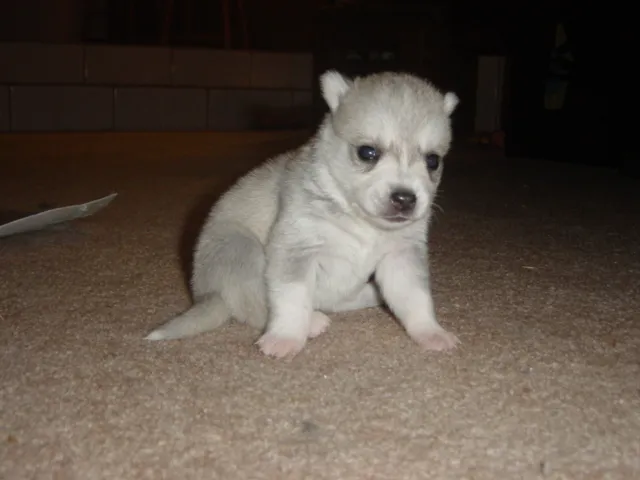

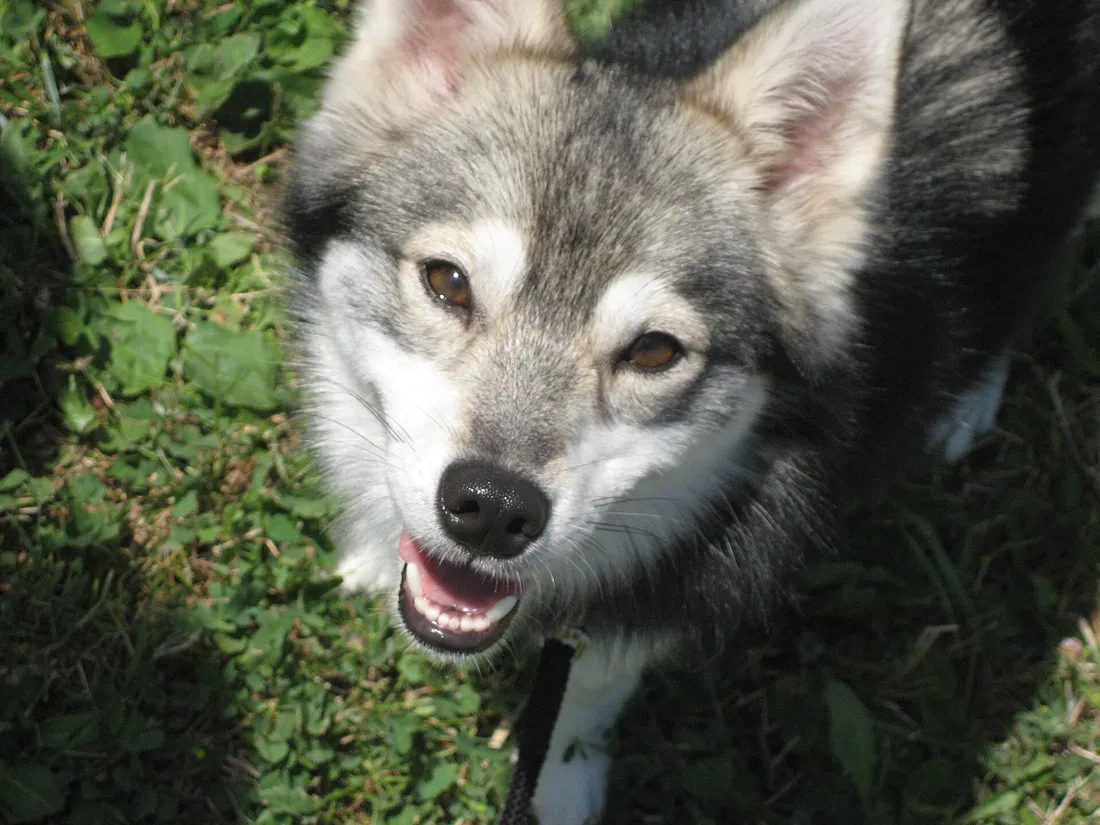

Photos show different individual dogs from licensed libraries, not one dog growing up. Stage labels are approximate, the way a careful editor would judge them.
About the Alaskan Klee Kai
United States produced the Alaskan Klee Kai, a small spitz breed bred to work as an all purpose northern farm, hunting and companion dog in a hard climate. The northern spitz package is fur, voice and brains in equal thirds. Owners who embrace all three adore this type.
History
Bred in the United States to work as an all purpose northern farm, hunting and companion dog in a hard climate, the Alaskan Klee Kai is a small dog in the Non-Sporting group. The breed holds AKC recognition, so its standard is set in the United States as well as in its homeland. A typical life runs 12 to 15 years. Its standard colours in our records are black and white, gray and white, red and white and pure white.
Personality
Confident, lively, devoted and strong willed, in a perfectly miniaturised northern package: the Klee Kai was developed in Alaska in the 1970s as a companion sized spitz, and it kept the whole spitz personality at the smaller scale. Klee Kai are intense, intelligent and deeply bonded, more reserved and watchful than their Husky cousins, with a talkative streak and a fox like cleverness. Puppies are tiny, plush livewires; adults are keen, loyal companions that monitor their household like small security directors. Owners describe a big dog experience in a dog that fits in a hatchback, with opinions, commentary and total devotion included.
Temperament and traits
Energy (5/5)
Trainability (3/5)
Grooming needs (3/5)
Shedding (3/5)
Barking (4/5)
Good with children: Good with children
With other dogs: With early socialization
With strangers: Reserved with strangers
Apartment life: Not ideal
Coat and care
Coat: Thick double coat with a dense undercoat and longer guard hairs, finished with a contrasting facial mask. It blows its coat twice a year and sheds heavily at those times.
Colors: Standard colors: black and white, gray and white, red and white and pure white.
Measure meals rather than free feeding; this breed does best on a routine of consistent meals, training in short sessions and daily exercise matched to its type. Brush weekly and check ears, teeth and nails as part of the routine. Never shave a double coat; it insulates in both directions. Brush through the seasonal coat blows or the undercoat felts.
Exercise and grooming
Exercise
Forty five to ninety minutes a day, and the record rates energy at the top of the scale: this is a miniature northern athlete, all spitz engine in a small frame. Brisk walks, play, training games and garden sessions in rotation, with the brain billed as heavily as the legs, because a bored Klee Kai is a vocal, inventive escape risk. Puppies play in bursts. Secure fencing matters: clever, agile small dogs test boundaries professionally. Heat needs management under a northern coat. The northern spitz package is fur, voice and brains in equal thirds, per the overview, and the exercise programme is how owners pay for all three at once.
Grooming
Brush weekly and check ears, teeth and nails as part of the routine, and never shave a double coat, because it insulates in both directions, exactly as the care notes insist. Work through the seasonal coat blows properly or the undercoat felts, in the notes' warning: twice a year the little dog produces a startling volume of undercoat. Between blows, weekly sessions keep the dense coat in order. Teeth benefit from regular brushing, since small mouths crowd. Puppies need kind grooming habituation, because coat care is a twice yearly event plus a weekly routine for fifteen years.
Training and daily life
Training
Klee Kai are bright and learn fast, with a spitz negotiation style: short, varied, well paid sessions produce real skills, while drilling produces a dog that leaves the conversation. The priorities are socialisation, because the reserved instinct needs schooling; a quiet cue, because the voice is standard equipment; recall, managed honestly given prey interest; lead manners; and a settle. Harsh methods damage trust in a sensitive dog. Owners who train with humour and consistency get a sharp, responsive little partner that can learn tricks, sports and manners to a standard that surprises people expecting a lapdog.
Living with an Alaskan Klee Kai
The Klee Kai suits active, engaged households that want the full northern spitz experience in a small, portable dog and accept the fur, voice and brains as a package. Confident and devoted, good with children, dog selective without early socialisation and reserved with strangers, it rates apartments as not ideal in the record, mainly because energy and voice travel. Expect an intense, loyal, talkative companion that bonds to its family completely and regards the outside world with spitz suspicion until properly introduced. Owners who embrace all three thirds of the package, per the overview, adore this breed; everyone should meet one before deciding.
What an Alaskan Klee Kai costs
Food cost
About $14 per month for a typical 16 lb adult eating roughly 1.3 cups a day of a standard quality food ($1.60 per lb). Full breakdown in our food expense calculator.
Activity and exercise
Plan 45 to 90 minutes a day of walks, play and training. Under exercised dogs of most breeds invent their own projects, and they rarely pick good ones.
Insurance cost
Typical US range $30 to $57 per month for accident and illness cover. Estimate only, based on market ranges for this breed's risk profile; see the insurance estimator and the insurance guide.
On the monthly figures above, a typical adult year runs to about $167 for food and $360 to $684 for insurance, before routine vet care, grooming and gear. Year one costs more: vaccinations, spay or neuter surgery, a crate, bedding and training all land at once.
Growth: puppy to senior
How weight typically builds with age for a small breed, and when full size arrives.
| Stage | Age | Typical weight |
|---|---|---|
| Puppy | 8 weeks | about 2 to 4 lb |
| Puppy | 4 months | about 3 to 8 lb |
| Young | 6 months | about 5 to 13 lb |
| Young | 9 months | about 7 to 17 lb |
| Adult | 12 months | about 8 to 20 lb |
| Adult | Full grown | 9.0 to 22 lb (standard range) |
| Senior | From about 10 years | Healthy weight stays in the adult range; watch for slow gain or loss |
Growth pattern follows the size class growth curves published by the Waltham Petcare Science Institute, applied to the adult weight range in the breed standard. Individual puppies vary; steady growth matters more than hitting any single number, and your vet's growth checks come first.
Life stages
Puppies need thorough socialisation, because the reserved streak forms early, plus coat handling, housetraining routine and secure fencing audited before arrival. Adolescents are clever, vocal and experimental, and training plus exercise carries the household through. Adults enjoy a long, busy prime: keep the coat worked through at blow seasons, teeth brushed and weight lean. Twelve to fifteen years puts senior status around ten: twice yearly checks, joint friendly walks and warm beds. Old Klee Kai stay devoted, opinionated and bright, supervising their households to the end.
Health
Hip screening and eye checks are the core tests in northern breeds. These are fundamentally hardy dogs shaped by hard climates, and most health management is weight, teeth and coat.
Conditions to know about
- Hip dysplasia: Hip screening is a core test in northern breeds, per the record, applied even at this size. Ask for results where breeders screen, and keep the dog lean and fit, which this athletic breed makes easy.
- Eye conditions: Eye checks are the other core test named in the record. Ask for current results for both parents.
- Weight, teeth and coat management: The record's honest summary for northern breeds: fundamentally hardy dogs shaped by hard climates, where most health management is weight, teeth and coat. Done consistently, that trio is the Klee Kai's real health programme.
Facts follow the Alaskan Klee Kai breed standard (AKC, The Kennel Club and FCI standards agree on the essentials for this breed). Health notes summarize the conditions breed clubs and veterinary bodies most often flag for this breed. They are general information for choosing and caring, not a diagnosis or a substitute for your vet.
Gear for Alaskan Klee Kai owners
Our team is hands on testing products for this guide right now. Recommendations will only appear here after real testing, and this module will always carry a plain affiliate disclosure at the top.
Alaskan Klee Kai questions
How long do Alaskan Klee Kais live?
A typical lifespan is 12 to 15 years. Weight control, dental care and screening for the breed's known conditions give a dog the best chance of reaching the top of that range.
How much does it cost to keep an Alaskan Klee Kai?
Food for a typical adult runs about $14 a month at a standard quality tier, and accident and illness insurance usually falls between $30 and $57 a month in the US. Try the full cost calculator for a complete year one and yearly picture.
Are Alaskan Klee Kais good with children?
Good with children. As with every breed, supervise dogs and children together and teach children to respect the dog's space.
How much exercise does an Alaskan Klee Kai need?
Plan on 45 to 90 minutes a day, split between walks, play and training games. Puppies and seniors need gentler, shorter sessions.
Is the Klee Kai just a small Husky?
No: it is its own breed, developed in Alaska in the 1970s from smaller northern dogs including Husky heritage, bred deliberately at toy to standard sizes. The temperament is more reserved and intense than the Husky's outgoing clown.
What does Klee Kai mean?
It derives from Inuit words meaning small dog, which is precisely the point of the breed: the northern spitz experience at apartment scale.
Do Klee Kai shed much?
Yes, twice yearly coat blows on a northern scale, miniaturised. Weekly brushing keeps the weeks between blows tidy, and the coat must never be shaved.
Breeds similar to the Alaskan Klee Kai Compare this breed with another